
Papua New Guinea
Intro
PNG’s mountainous interior and dispersed islands complicate service delivery and logistics. Resource projects create growth spikes but expose fiscal volatility. Strategic ties expand with Australia, the US, and Japan, while proximity to Indonesia and the Solomon arc links it to wider Indo-Pacific politics.
Background
Since independence in 1975, governance capacity has improved unevenly. Customary land tenure and local politics shape investment timelines. Human development indicators trail regional peers despite resource wealth.
History
Present Day
Future Outlook
If project execution and revenue management improve, PNG can lift trend growth and social outcomes. Risks include commodity downcycles, disaster exposure, and governance bottlenecks.
Map
Topics
Persons
Mohammed Deif
Hossein Amir-Abdollahian
Ismail Haniyeh
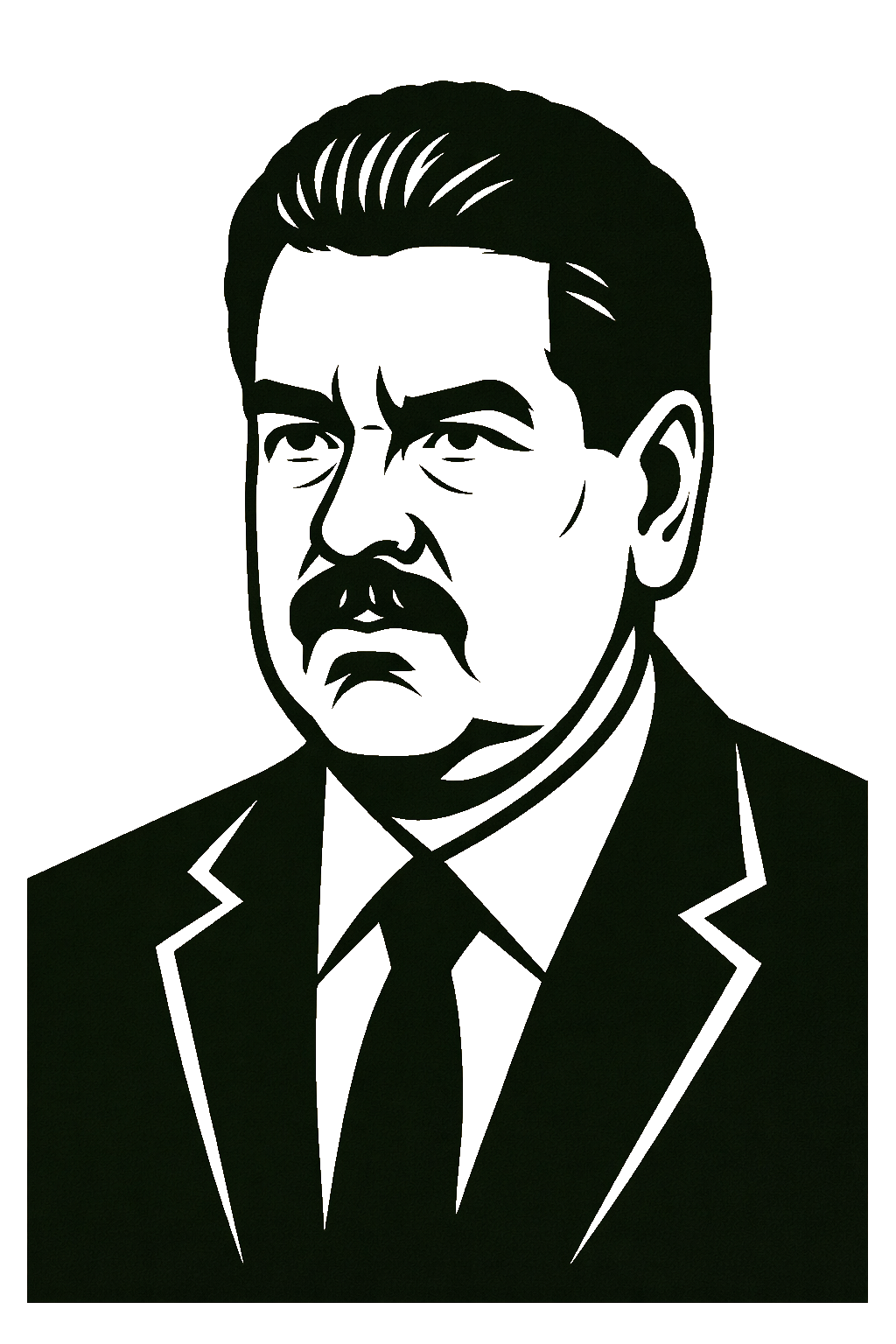
Nicolás Maduro

Alexander Dugin

Scott Bessent
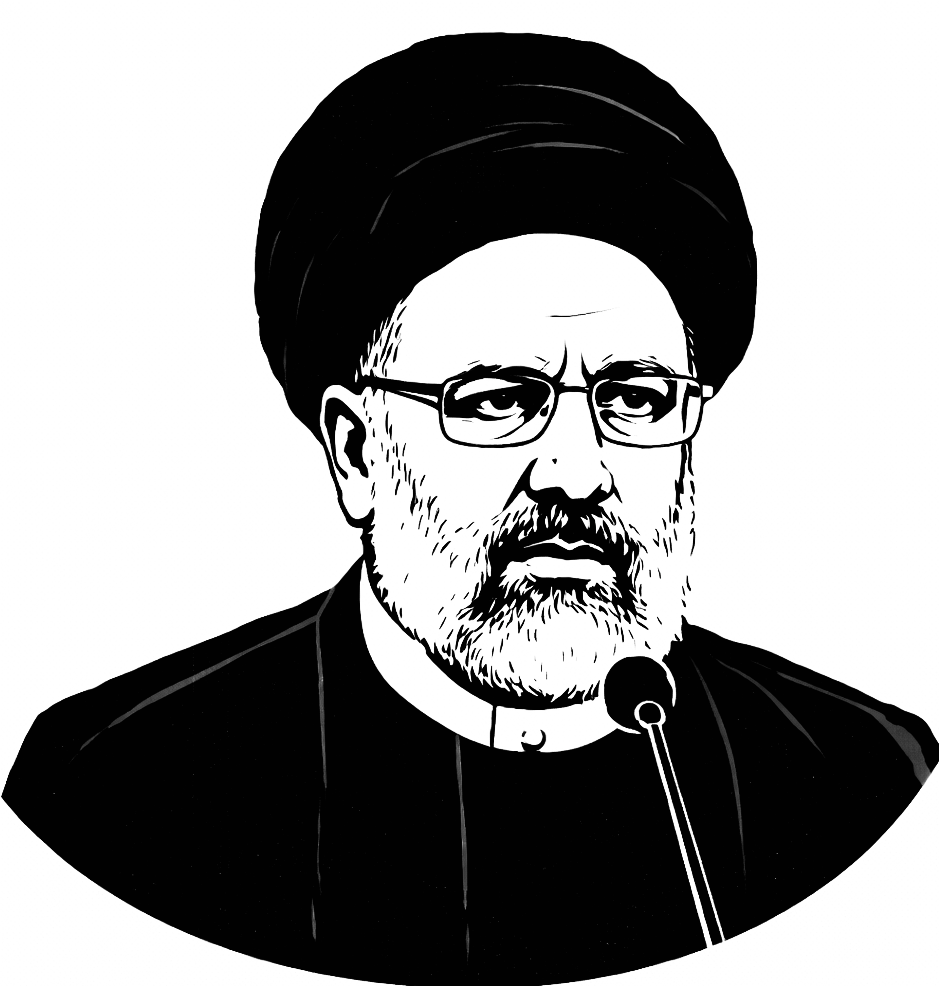
Ebrahim Raisi
Gadi Eisenkot

Reza Pahlavi
Locations
Mainland China

China
India
North America
United States
Indonesia
Pakistan
Bangladesh

Russia
Japan
Points of Interest
No results found.
Articles

Логіка імперії: Як Росія використовує кордони, ідентичність та затримку
Росії не потрібно окупувати країну, щоб контролювати її. Їй потрібно лише не допустити вирішення конфлікту. Від Придністров’я до Криму, від наративної війни до фінансових систем, “Логіка імперії” показує, як утримується сучасна влада – не через завоювання, а через структурне заперечення.

Повернення до Вавилону: Мова, ідентичність та приналежність
По всій Європі мовні права гарантовані на законодавчому рівні. Але як щодо життя? Від освіти до громадянства – мова, якою ви розмовляєте, все ще може визначати вашу приналежність. Ця стаття досліджує, як обіцяють плюралізм – і як його непомітно фільтрують, ранжирують або відкидають.


Event Timeline
China Launches the Belt and Road Initiative
In 2013, China launched the Belt and Road Initiative (BRI), a long-term strategy to expand infrastructure, trade, and connectivity across Eurasia, Africa, and beyond.
China-United States Trade War (Trump I)
In 2018, trade tensions between China and the United States escalated into a sustained tariff and technology conflict, marking a turning point in bilateral economic relations.

Hong Kong Protests
In 2019, mass protests erupted in Hong Kong in response to proposed extradition legislation, evolving into a broader movement centered on civil liberties, autonomy, and governance.
China’s Zero-COVID Policy
From 2020 to 2022, China implemented a Zero-COVID policy aimed at eliminating domestic transmission through lockdowns, mass testing, travel controls, and centralized quarantine.
China’s 20th Party Congress
In October 2022, China held its 20th Party Congress, confirming leadership continuity and setting policy priorities for the coming years.
Trump Meets Xi Jinping
U.S. President Donald Trump meets Chinese leader Xi Jinping on the sidelines of an international summit, marking a high-level diplomatic engagement amid renewed economic and strategic tensions.
China Responds to Dutch Action on Nexperia
China responds diplomatically to the Dutch intervention in Nexperia, warning of consequences for bilateral economic and technological relations.
The Netherlands Intervenes in Nexperia Ownership
The Dutch government intervenes in the ownership and governance of semiconductor producer Nexperia, citing national security and strategic supply-chain concerns.

Boxer Rebellion
The Boxer Rebellion was a violent anti-foreign and anti-Christian uprising that drew direct military intervention by multiple foreign powers and further undermined Qing sovereignty.
Qin Unification of the Warring States
The Qin state completed the military unification of the Warring States, ending centuries of fragmentation and creating the first centralized imperial state in Chinese history.


