
Malta
Intro
Despite its small size, Malta exerts influence through its maritime location and EU membership. It is a gateway between Europe and North Africa, a hub for shipping, finance, and tourism, and a key node in Mediterranean policy.
Background
Malta gained independence from the UK in 1964 and became a republic in 1974. Its neutrality, enshrined in the constitution, coexists with close cooperation with EU and NATO frameworks. Economic growth relies on tourism, digital services, and offshore finance.
History
- 1964: Independence from the United Kingdom – 1974: Becomes a republic – 2004: Joins the European Union – 2010s-2020s: Expands finance, technology, and maritime sectors amid EU regulation
Present Day
In 2025, Malta remains one of Europe’s most stable economies, focusing on sustainable growth, digital transformation, and Mediterranean security cooperation.
Future Outlook
Malta will remain a service-based economy dependent on EU frameworks. Its maritime infrastructure and neutrality support regional diplomacy and trade.
Map
Topics
Persons

Masoud Pezeshkian

Hugo Chávez
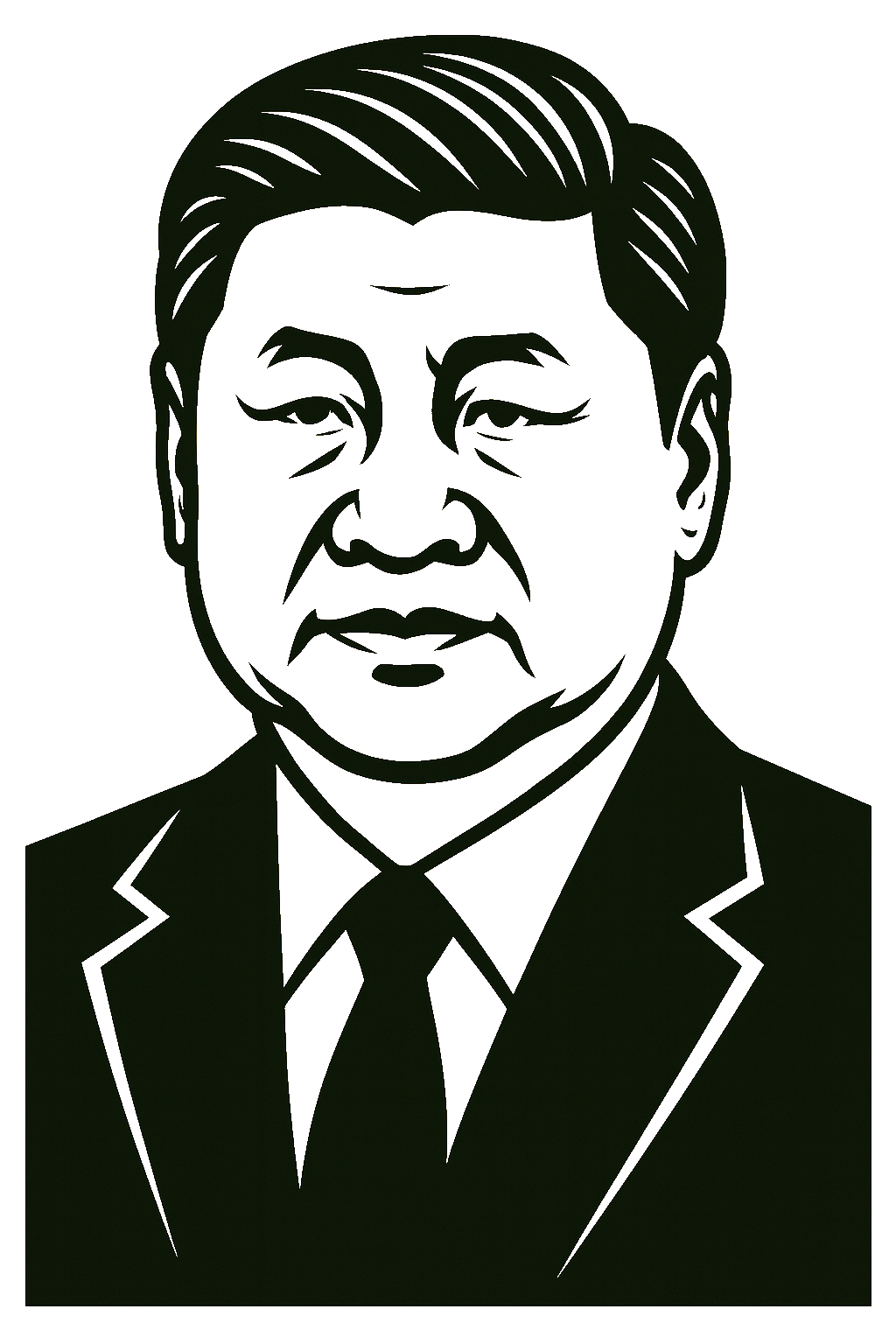
Xi Jinping
Lloyd Austin
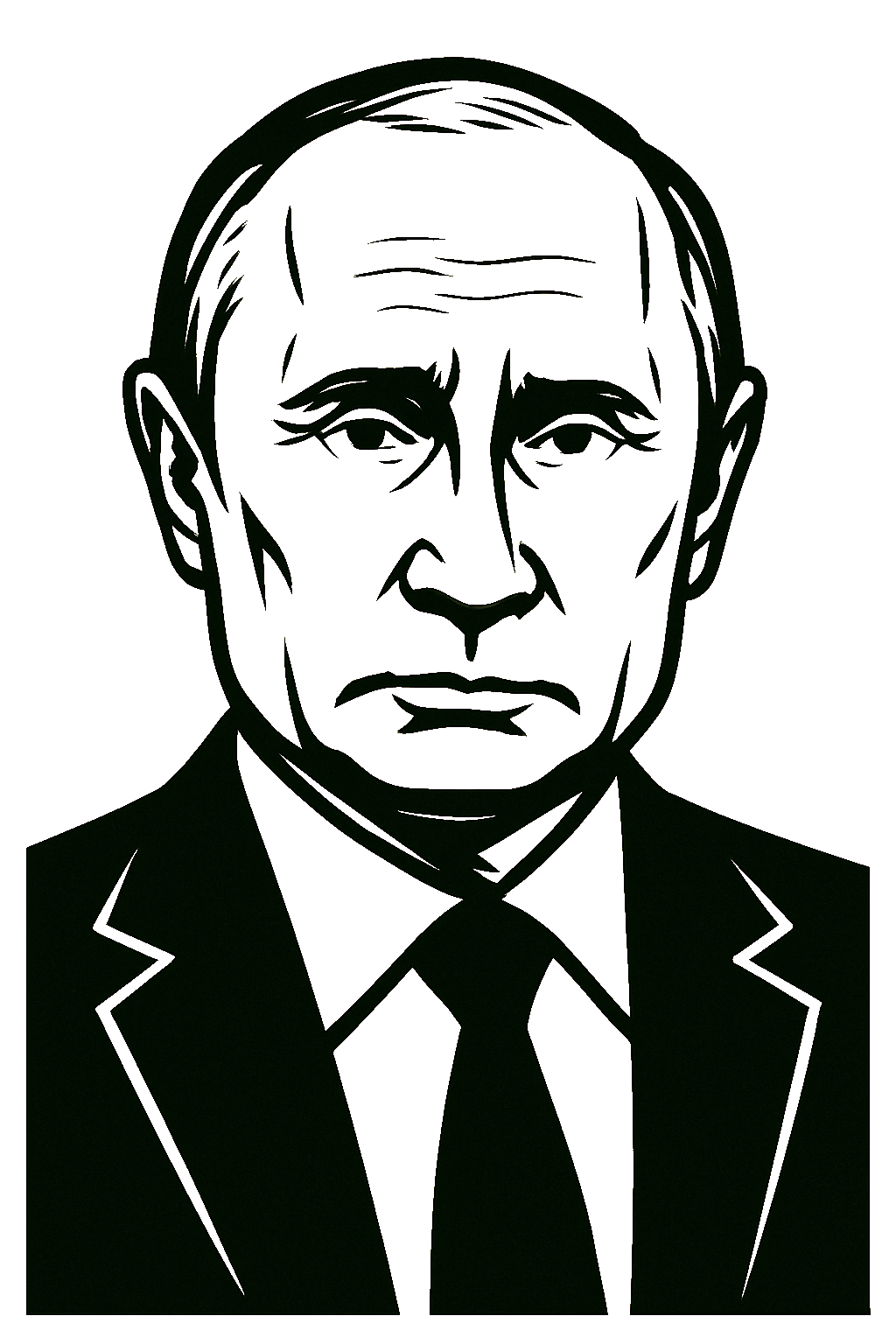
Vladimir Putin
Benjamin Netanyahu
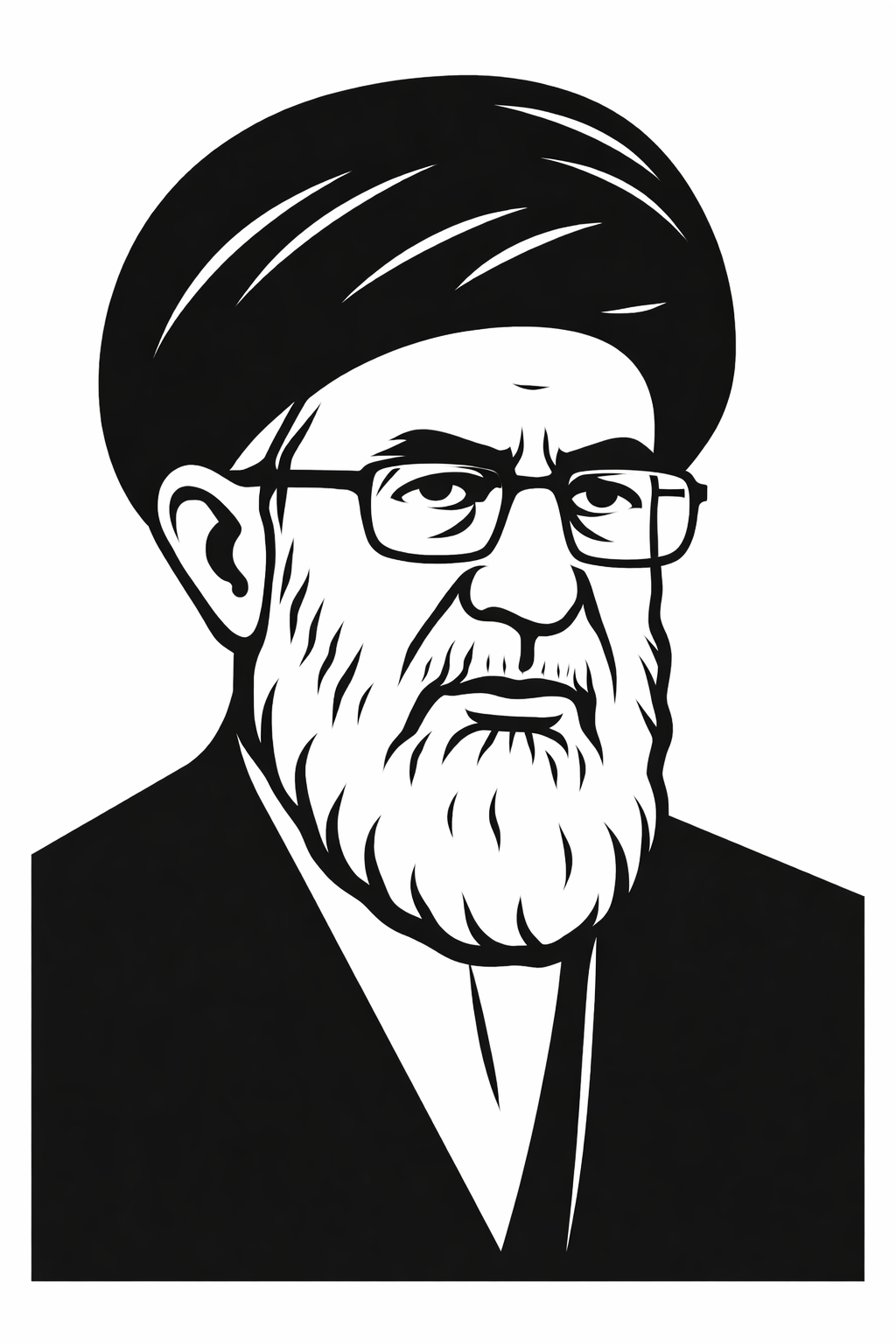
Ali Khamenei
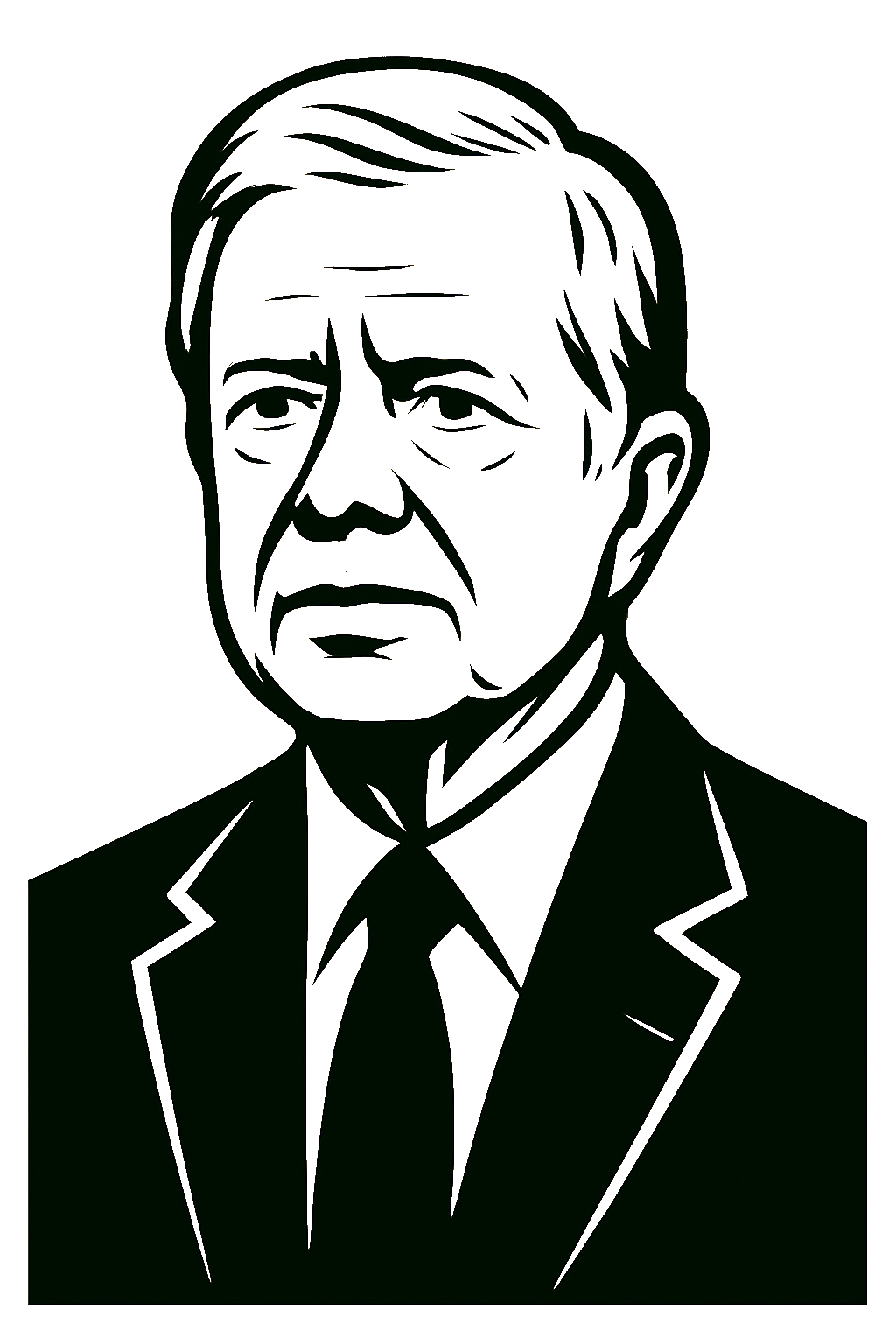
Jimmy Carter
Henry Kissinger
Articles

Логіка імперії: Як Росія використовує кордони, ідентичність та затримку
Росії не потрібно окупувати країну, щоб контролювати її. Їй потрібно лише не допустити вирішення конфлікту. Від Придністров’я до Криму, від наративної війни до фінансових систем, “Логіка імперії” показує, як утримується сучасна влада – не через завоювання, а через структурне заперечення.

Повернення до Вавилону: Мова, ідентичність та приналежність
По всій Європі мовні права гарантовані на законодавчому рівні. Але як щодо життя? Від освіти до громадянства – мова, якою ви розмовляєте, все ще може визначати вашу приналежність. Ця стаття досліджує, як обіцяють плюралізм – і як його непомітно фільтрують, ранжирують або відкидають.


Event Timeline
China Launches the Belt and Road Initiative
In 2013, China launched the Belt and Road Initiative (BRI), a long-term strategy to expand infrastructure, trade, and connectivity across Eurasia, Africa, and beyond.
China-United States Trade War (Trump I)
In 2018, trade tensions between China and the United States escalated into a sustained tariff and technology conflict, marking a turning point in bilateral economic relations.

Hong Kong Protests
In 2019, mass protests erupted in Hong Kong in response to proposed extradition legislation, evolving into a broader movement centered on civil liberties, autonomy, and governance.
China’s Zero-COVID Policy
From 2020 to 2022, China implemented a Zero-COVID policy aimed at eliminating domestic transmission through lockdowns, mass testing, travel controls, and centralized quarantine.
China’s 20th Party Congress
In October 2022, China held its 20th Party Congress, confirming leadership continuity and setting policy priorities for the coming years.
Trump Meets Xi Jinping
U.S. President Donald Trump meets Chinese leader Xi Jinping on the sidelines of an international summit, marking a high-level diplomatic engagement amid renewed economic and strategic tensions.
China Responds to Dutch Action on Nexperia
China responds diplomatically to the Dutch intervention in Nexperia, warning of consequences for bilateral economic and technological relations.
The Netherlands Intervenes in Nexperia Ownership
The Dutch government intervenes in the ownership and governance of semiconductor producer Nexperia, citing national security and strategic supply-chain concerns.

Boxer Rebellion
The Boxer Rebellion was a violent anti-foreign and anti-Christian uprising that drew direct military intervention by multiple foreign powers and further undermined Qing sovereignty.
Qin Unification of the Warring States
The Qin state completed the military unification of the Warring States, ending centuries of fragmentation and creating the first centralized imperial state in Chinese history.


