
Malta
Intro
Despite its small size, Malta exerts influence through its maritime location and EU membership. It is a gateway between Europe and North Africa, a hub for shipping, finance, and tourism, and a key node in Mediterranean policy.
Background
Malta gained independence from the UK in 1964 and became a republic in 1974. Its neutrality, enshrined in the constitution, coexists with close cooperation with EU and NATO frameworks. Economic growth relies on tourism, digital services, and offshore finance.
History
- 1964: Independence from the United Kingdom – 1974: Becomes a republic – 2004: Joins the European Union – 2010s-2020s: Expands finance, technology, and maritime sectors amid EU regulation
Present Day
In 2025, Malta remains one of Europe’s most stable economies, focusing on sustainable growth, digital transformation, and Mediterranean security cooperation.
Future Outlook
Malta will remain a service-based economy dependent on EU frameworks. Its maritime infrastructure and neutrality support regional diplomacy and trade.
Map
Topics
Persons

Pete Hegseth
Jake Sullivan
Marco Rubio
Mojtaba Khamenei

Mark Rutte
María Corina Machado
Herzi Halevi
Oleksii Reznikov
Oleksandr Syrskyi
Locations
Mount Sabalan
Myrnohrad
natanz
North Africa
Northern Europe
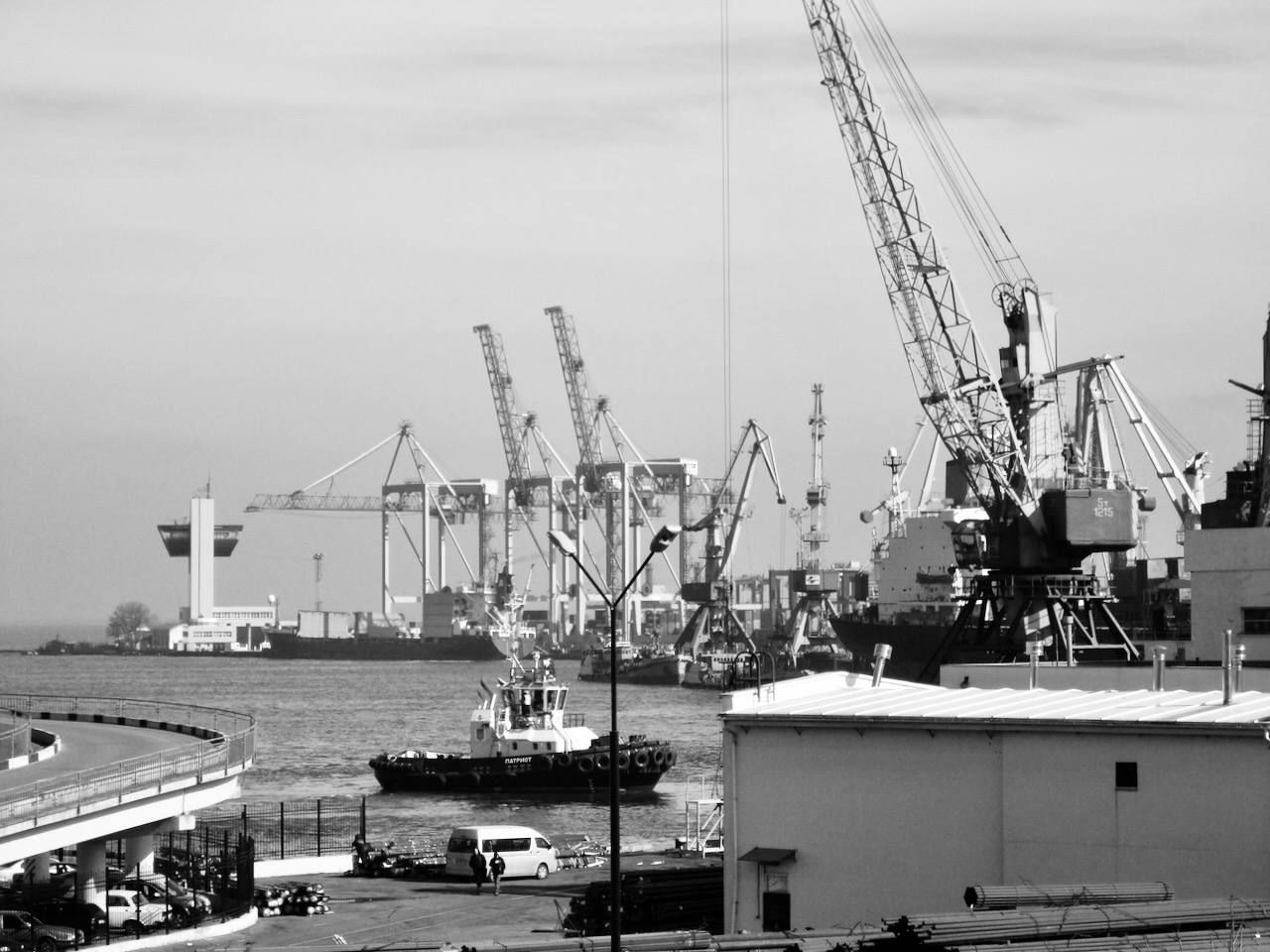
Odesa
Ovče Pole
Paris
Pelagonia Plain
Persian Gulf
Points of Interest
No results found.
Articles

Логіка імперії: Як Росія використовує кордони, ідентичність та затримку
Росії не потрібно окупувати країну, щоб контролювати її. Їй потрібно лише не допустити вирішення конфлікту. Від Придністров’я до Криму, від наративної війни до фінансових систем, “Логіка імперії” показує, як утримується сучасна влада – не через завоювання, а через структурне заперечення.

Повернення до Вавилону: Мова, ідентичність та приналежність
По всій Європі мовні права гарантовані на законодавчому рівні. Але як щодо життя? Від освіти до громадянства – мова, якою ви розмовляєте, все ще може визначати вашу приналежність. Ця стаття досліджує, як обіцяють плюралізм – і як його непомітно фільтрують, ранжирують або відкидають.


Event Timeline

U.S. arrests Nicolás Maduro
U.S. forces arrest Nicolás Maduro in Caracas, removing him from power through external intervention.
British Occupation of Hong Kong Island
British forces landed on Hong Kong Island and claimed it in the name of the Crown following the First Opium War.

Treaty of Nanking Signed
The Treaty of Nanking ended the First Opium War and ceded Hong Kong Island to Britain, formalizing its colonial status.
Kowloon Peninsula Ceded to Britain
The Convention of Peking ceded the southern part of the Kowloon Peninsula to Britain, extending colonial Hong Kong beyond the island.
British Lease of New Territories
Britain signed a 99-year lease with the Qing Empire, adding the New Territories and islands to colonial Hong Kong.
Kowloon Walled City Preserved
Britain leases the New Territories for 99 years but allows China to retain nominal control of the Kowloon Walled City.
Japanese Invasion of Hong Kong
Japan invades British Hong Kong, launching a bloody battle and three years of occupation.
Return to British Control
British forces retook control of Hong Kong from Japan after Japan’s surrender in World War II.


