
Albania
Intro
Emerging from decades of isolation, Albania reoriented toward Western alliances in the early 2000s. It now serves as a stable partner for NATO operations and a participant in the Trans-Adriatic energy corridor.
Background
Post-communist transition was marked by economic hardship and mass migration. Political reform and infrastructure modernization improved stability. EU accession remains conditional on judicial independence and corruption control.
History
- 1991: Fall of communist regime and transition to democracy – 2009: Joins NATO – 2014: Granted EU candidate status – 2022: Begins EU accession talks – 2020s: Expands tourism, energy, and infrastructure partnerships
Present Day
In 2025, Albania maintains steady growth and political stability under pro-European leadership. It anchors NATO operations in the Adriatic and pursues energy and tourism modernization.
Future Outlook
Albania’s maritime and energy role will expand through regional integration and foreign investment. EU progress depends on institutional transparency and judicial reform.
Map
Topics
Persons

Pete Hegseth
Jake Sullivan
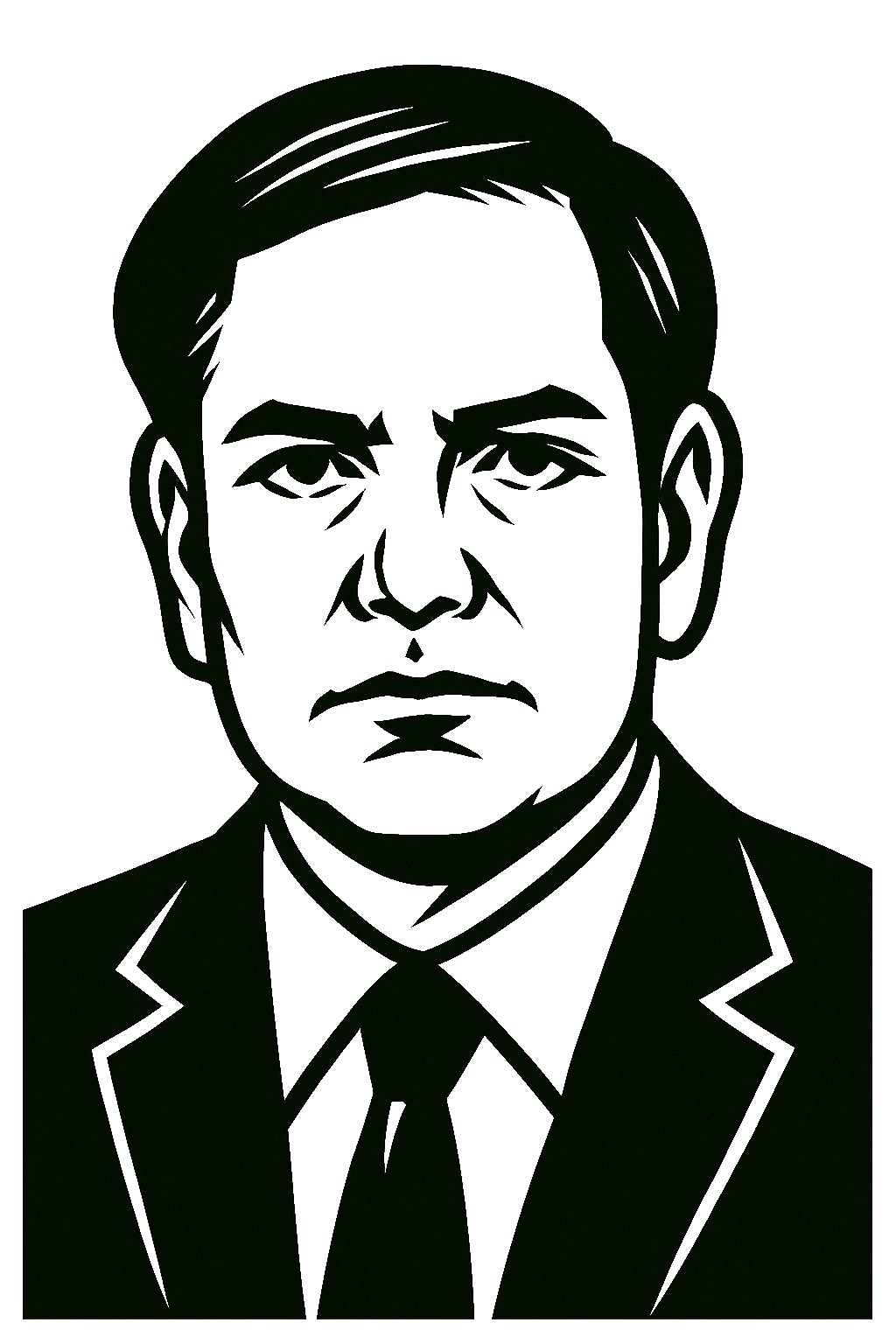
Marco Rubio
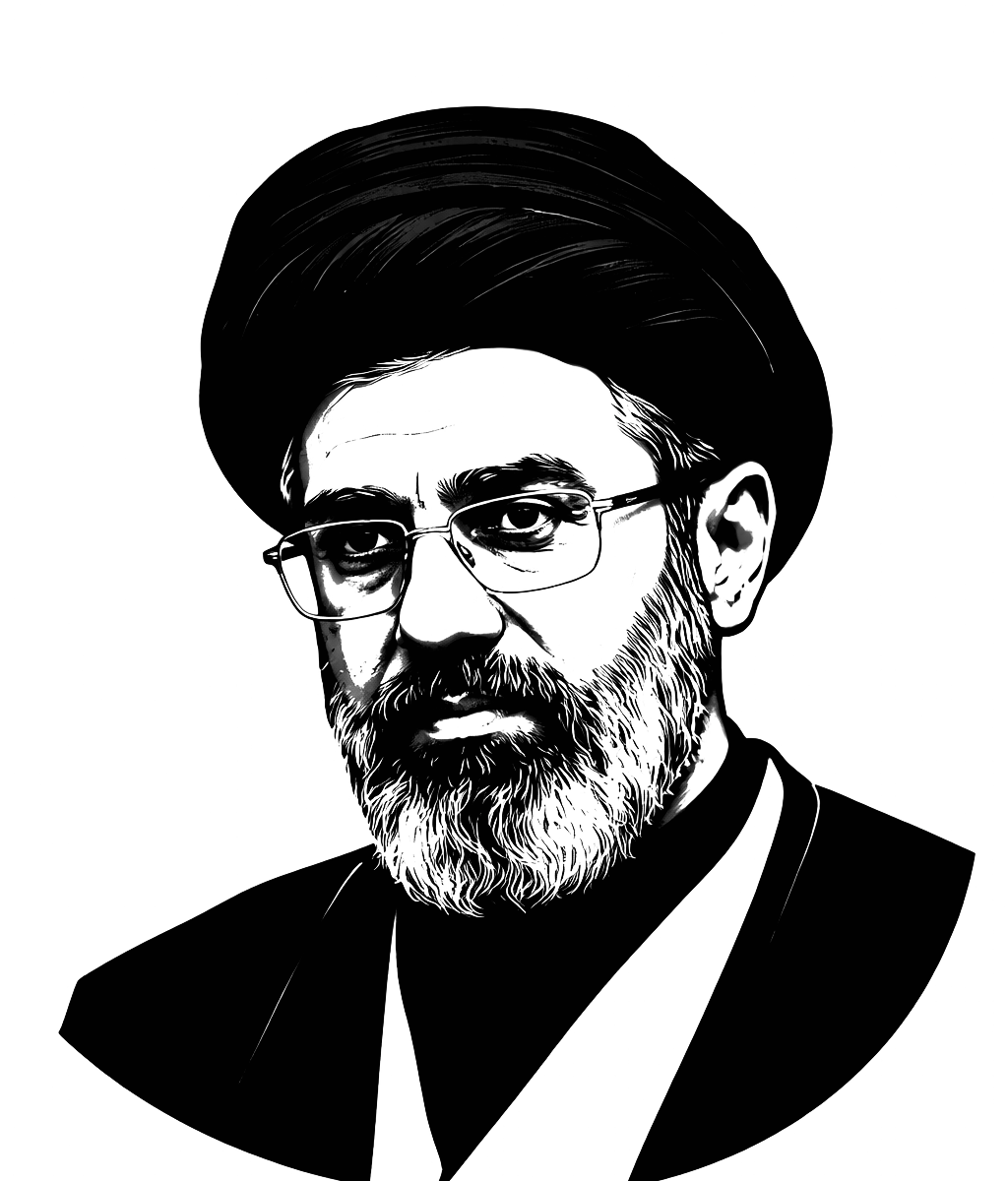
Mojtaba Khamenei

Mark Rutte

María Corina Machado
Herzi Halevi
Oleksii Reznikov
Mohammed Deif
Locations
Mahshahr
Maine
Maryland
Massachusetts
Middle East
Monaco
Morocco
Mount Damavand
Mount Dena
Points of Interest
No results found.
Articles

Логіка імперії: Як Росія використовує кордони, ідентичність та затримку
Росії не потрібно окупувати країну, щоб контролювати її. Їй потрібно лише не допустити вирішення конфлікту. Від Придністров’я до Криму, від наративної війни до фінансових систем, “Логіка імперії” показує, як утримується сучасна влада – не через завоювання, а через структурне заперечення.

Повернення до Вавилону: Мова, ідентичність та приналежність
По всій Європі мовні права гарантовані на законодавчому рівні. Але як щодо життя? Від освіти до громадянства – мова, якою ви розмовляєте, все ще може визначати вашу приналежність. Ця стаття досліджує, як обіцяють плюралізм – і як його непомітно фільтрують, ранжирують або відкидають.


Event Timeline
Israeli Strikes in Tehran Killing Larijani
On the night of 16-17 March 2026, Israeli airstrikes in the Tehran area killed Ali Larijani (Secretary of the Supreme National Security Council and de facto leader) and Gholamreza Soleimani (commander of Iran’s internal Basij militia).

Nationalisation of Iranian Oil and the Mossadegh Crisis
From 1951 to 1953, Iran nationalized its oil industry under Prime Minister Mossadegh, leading to an international crisis and the eventual 1953 coup.

Iran Hostage Crisis
In 1979, Iranian students seized the U.S. Embassy in Tehran, holding 52 Americans hostage for 444 days and transforming U.S.-Iran relations.


Taiping Heavenly Kingdom (Taiping Rebellion)
The Taiping Heavenly Kingdom was a large-scale civil war and rival state that challenged Qing rule, resulting in one of the deadliest conflicts in human history and severely weakening imperial authority.
Proclamation of the People’s Republic of China
On 1 October 1949, Mao Zedong proclaimed the People’s Republic of China in Beijing, marking the establishment of Communist rule on the mainland after civil war victory.
First Five-Year Plan and Socialist Transformation
Between 1953 and 1957, China implemented its First Five-Year Plan, restructuring land, industry, and finance along socialist lines and establishing centralized economic planning.
Great Leap Forward
The Great Leap Forward was a nationwide campaign aimed at rapidly industrializing China through mass mobilization and rural collectivization, resulting in severe economic disruption and widespread famine.
Xinhai Revolution
The Xinhai Revolution overthrew the Qing Dynasty and ended over two millennia of imperial rule, leading to the establishment of the Republic of China.


