
Afghanistan
Intro
Afghanistan’s geography grants corridor potential but persistent instability limits integration.
Background
Decades of conflict reshaped institutions, economy, and external relations.
History
- 1919: Independence – 1979-1989: Soviet-Afghan war – 2001-2021: US/NATO presence – 2021-: Taliban de facto control
Present Day
Future Outlook
Stabilization could unlock energy and transport corridors; otherwise isolation persists.
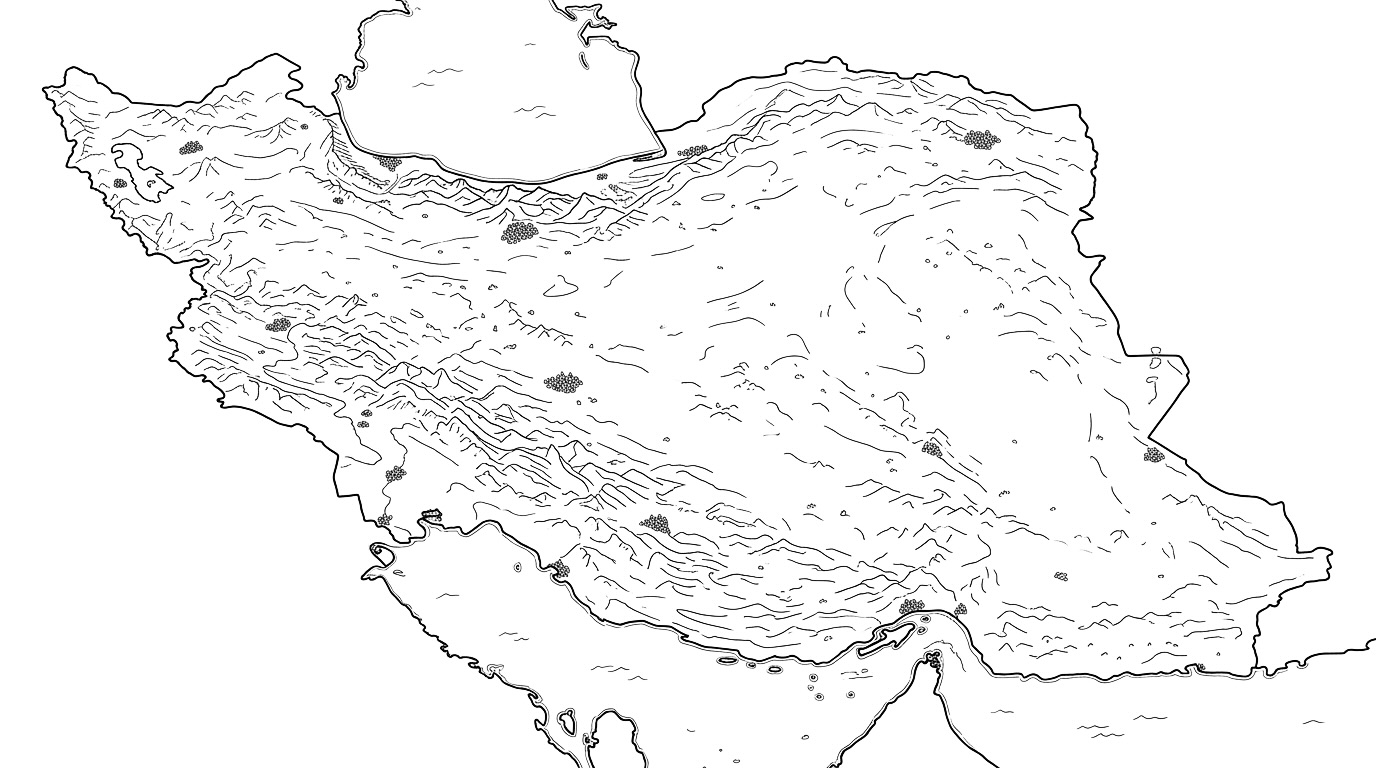
Map
Topics
Persons

Pete Hegseth
Jake Sullivan
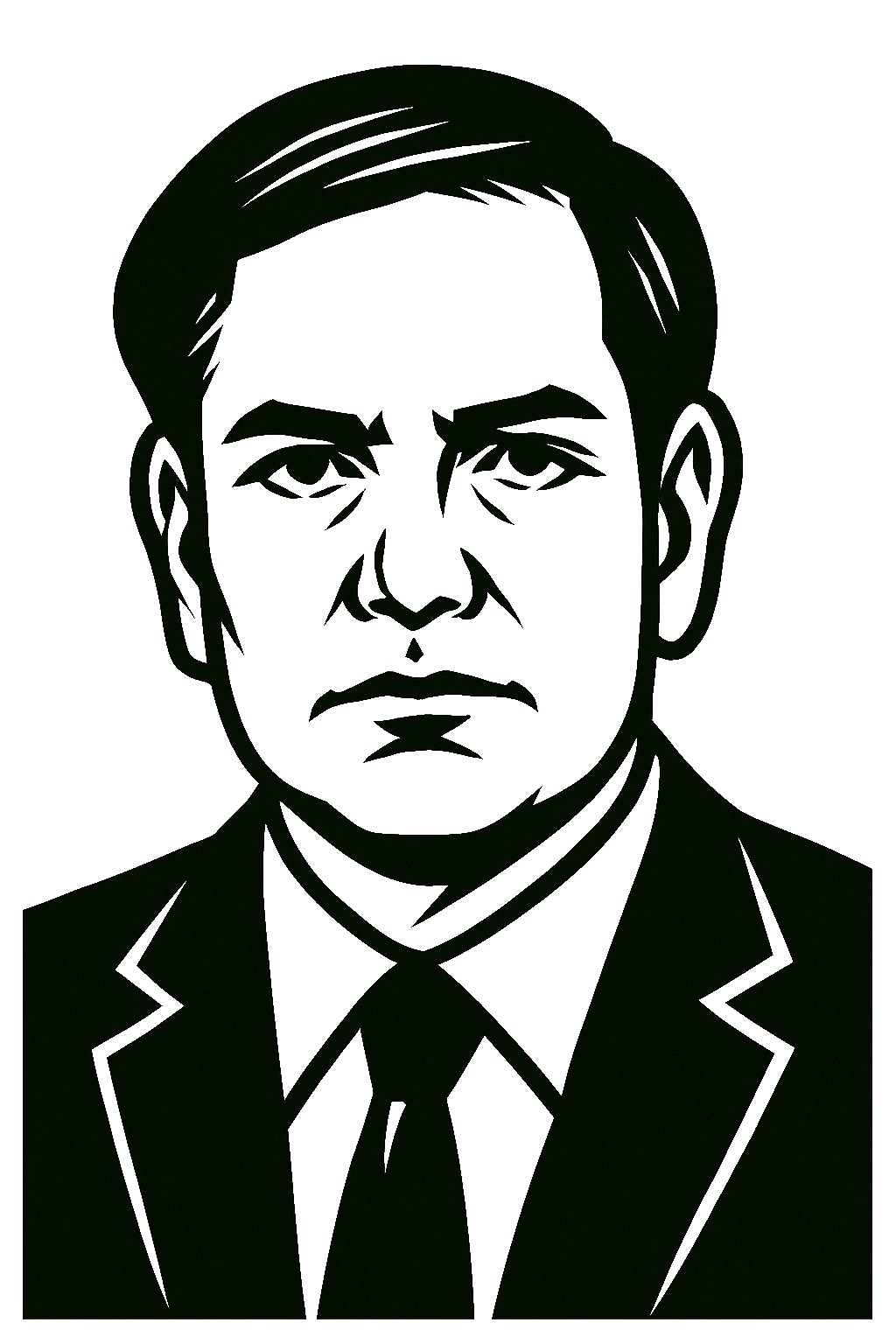
Marco Rubio
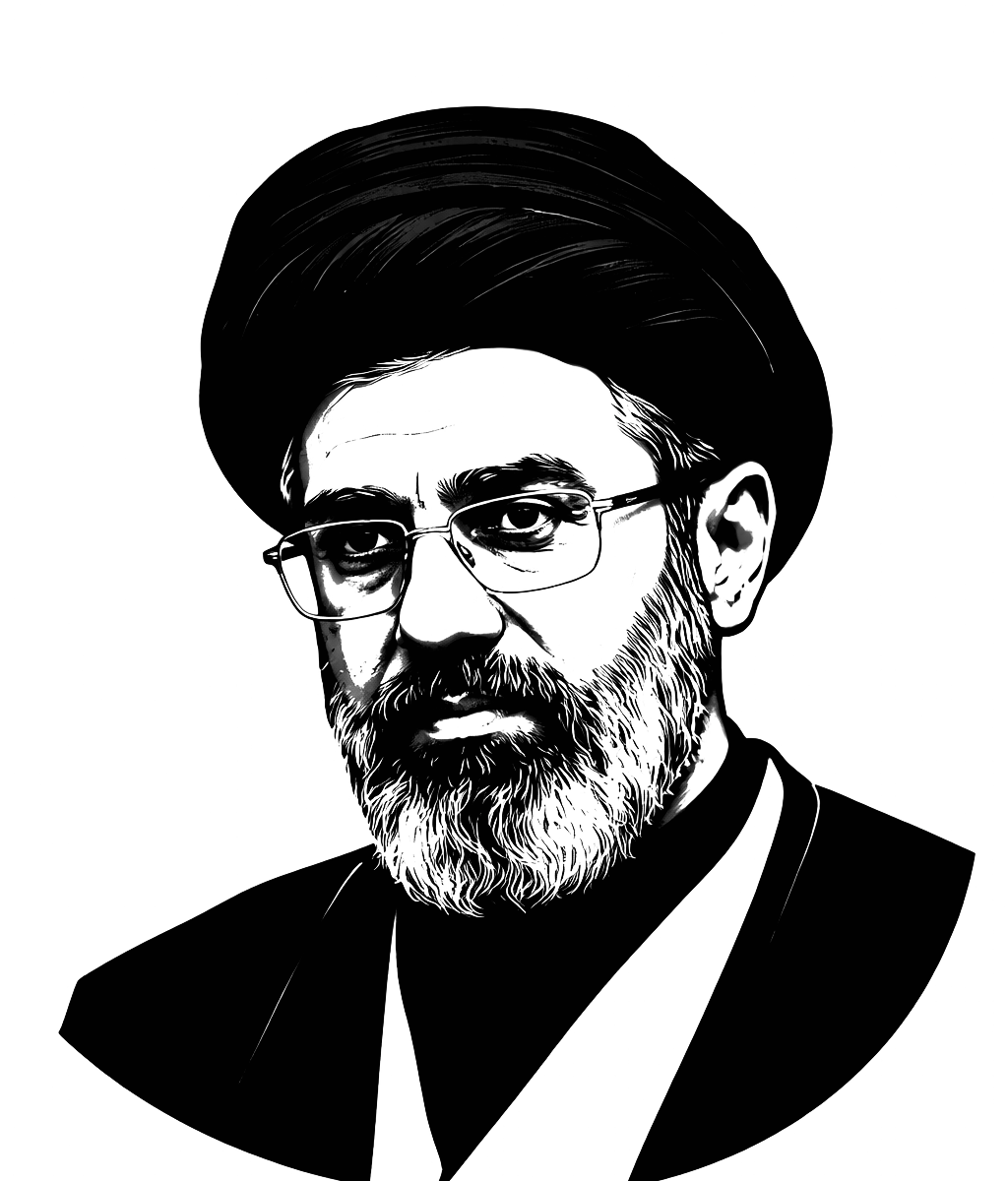
Mojtaba Khamenei
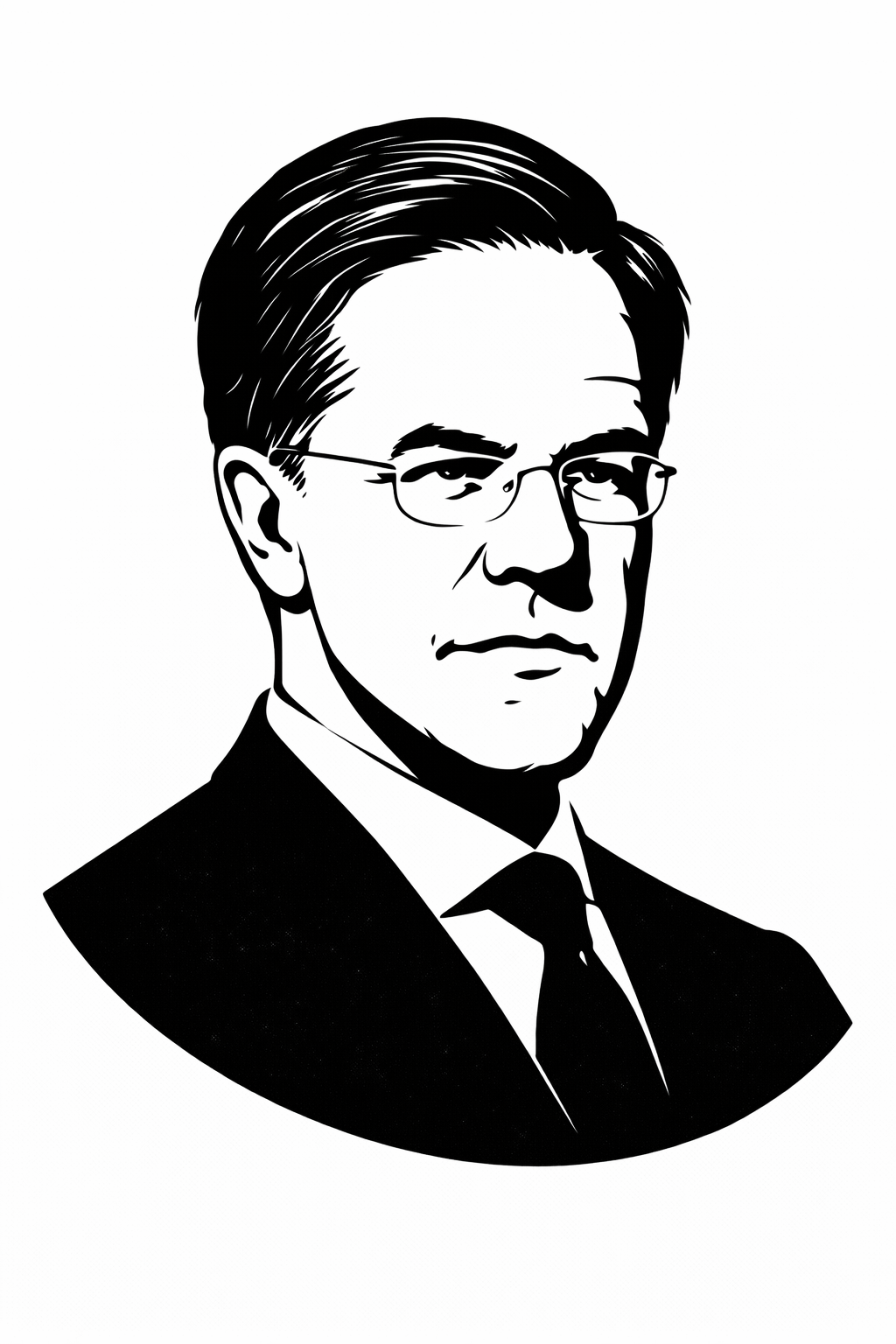
Mark Rutte
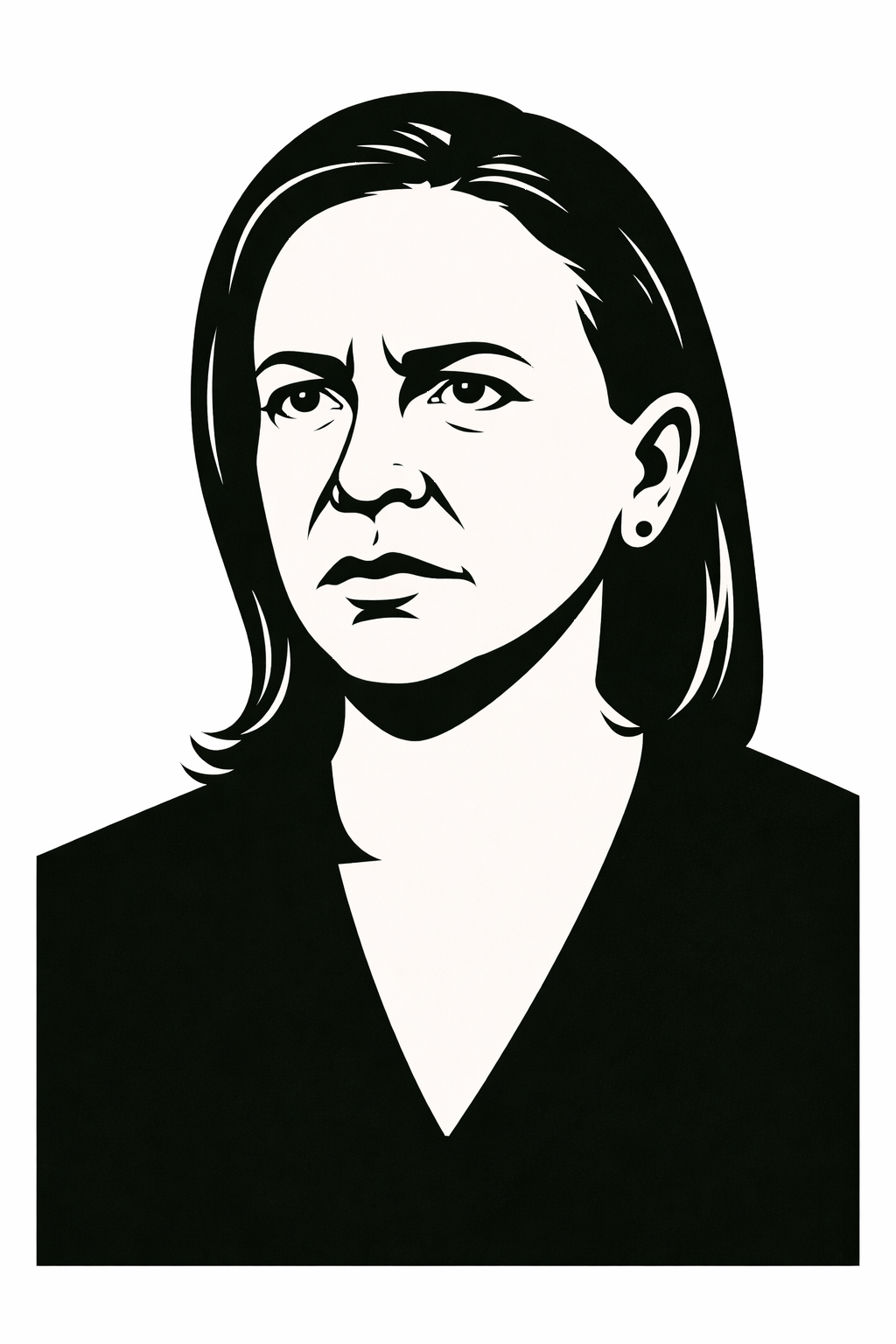
María Corina Machado
Herzi Halevi
Oleksii Reznikov
Mohammed Deif
Articles

Логіка імперії: Як Росія використовує кордони, ідентичність та затримку
Росії не потрібно окупувати країну, щоб контролювати її. Їй потрібно лише не допустити вирішення конфлікту. Від Придністров’я до Криму, від наративної війни до фінансових систем, “Логіка імперії” показує, як утримується сучасна влада – не через завоювання, а через структурне заперечення.

Повернення до Вавилону: Мова, ідентичність та приналежність
По всій Європі мовні права гарантовані на законодавчому рівні. Але як щодо життя? Від освіти до громадянства – мова, якою ви розмовляєте, все ще може визначати вашу приналежність. Ця стаття досліджує, як обіцяють плюралізм – і як його непомітно фільтрують, ранжирують або відкидають.


Event Timeline
Technocratic Governance and Managed Growth
Between 2002 and 2012, China was governed through a technocratic model emphasizing stability, managed economic growth, and incremental reform under collective leadership.
Convention of Peking
The Convention of Peking ended the Second Opium War and ceded the Kowloon Peninsula south of Boundary Street to Britain.

Second Opium War
The Second Opium War expanded Western military pressure on Qing China, resulting in deeper treaty concessions, legalized opium trade, and intensified foreign presence in imperial affairs.

First Opium War
In June 1839, Chinese official Lin Zexu ordered the destruction of British opium stockpiles in Canton, sparking the First Opium War.
The Long March
The Long March was a strategic retreat by Chinese Communist forces that ensured the survival of the CCP and elevated Mao Zedong as its dominant leader.
Comintern Influence on the Chinese Communist Party
From its founding until the mid-1930s, the Chinese Communist Party (CCP) operated under strong ideological, organizational, and operational influence from the Soviet-led Comintern, shaping leadership struggles and strategy choices until a gradual break during the Long March era.

First Sino-Japanese War
The First Sino-Japanese War exposed the failure of Qing modernization and marked the transfer of regional leadership in East Asia from China to Japan.

Iranian Revolution
In 1979, a mass movement removed the Pahlavi monarchy and established the Islamic Republic, redefining Iran’s political and ideological system.

Reform Movement and the Khatami Presidency
From 1997 to 2005, Iran experienced a reform era focused on civic openness, political participation, and institutional debate.

The Green Movement
In 2009, large-scale protests challenged the presidential election outcome, marking one of the most significant political mobilizations since 1979.


