
Portugal
Intro
Lisbon manages a service-oriented, export-driven economy leveraging EU recovery funds for innovation. Hydropower, wind, and solar provide over 60% of electricity. Political stability underpins steady growth.
Background
Once a global empire, Portugal’s 20th century saw dictatorship, decolonization, and democratic transition in 1974. EU membership in 1986 accelerated modernization. Fiscal discipline post-2011 bailout restored investor confidence. Renewables and tech startups now define its future direction.
History
- 1974: Carnation Revolution ends dictatorship – 1986: Joins the European Community – 2011: Financial bailout and austerity reforms – 2020s: Energy independence and digital transformation
Present Day
In 2025, Portugal achieves record renewable output, hosts EU green finance forums, and strengthens transatlantic ties. Tourism rebounds while inflation pressures housing and wages.
Future Outlook
Portugal’s renewable advantage and digitalization efforts position it as a sustainable EU growth model. The country will deepen Lusophone partnerships and expand its Atlantic infrastructure role.
Map
Topics
Persons
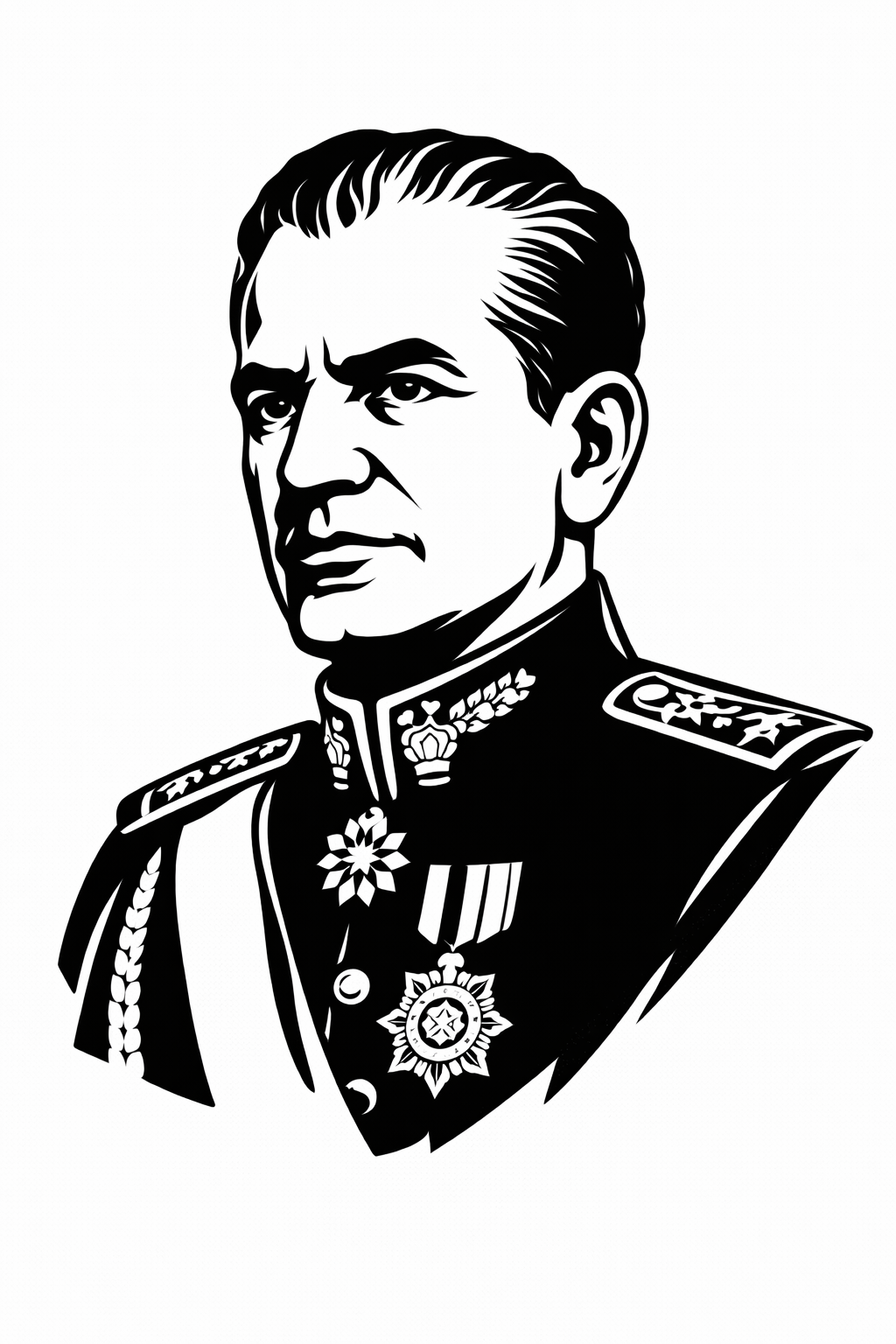
Mohammad Reza Shah Pahlavi
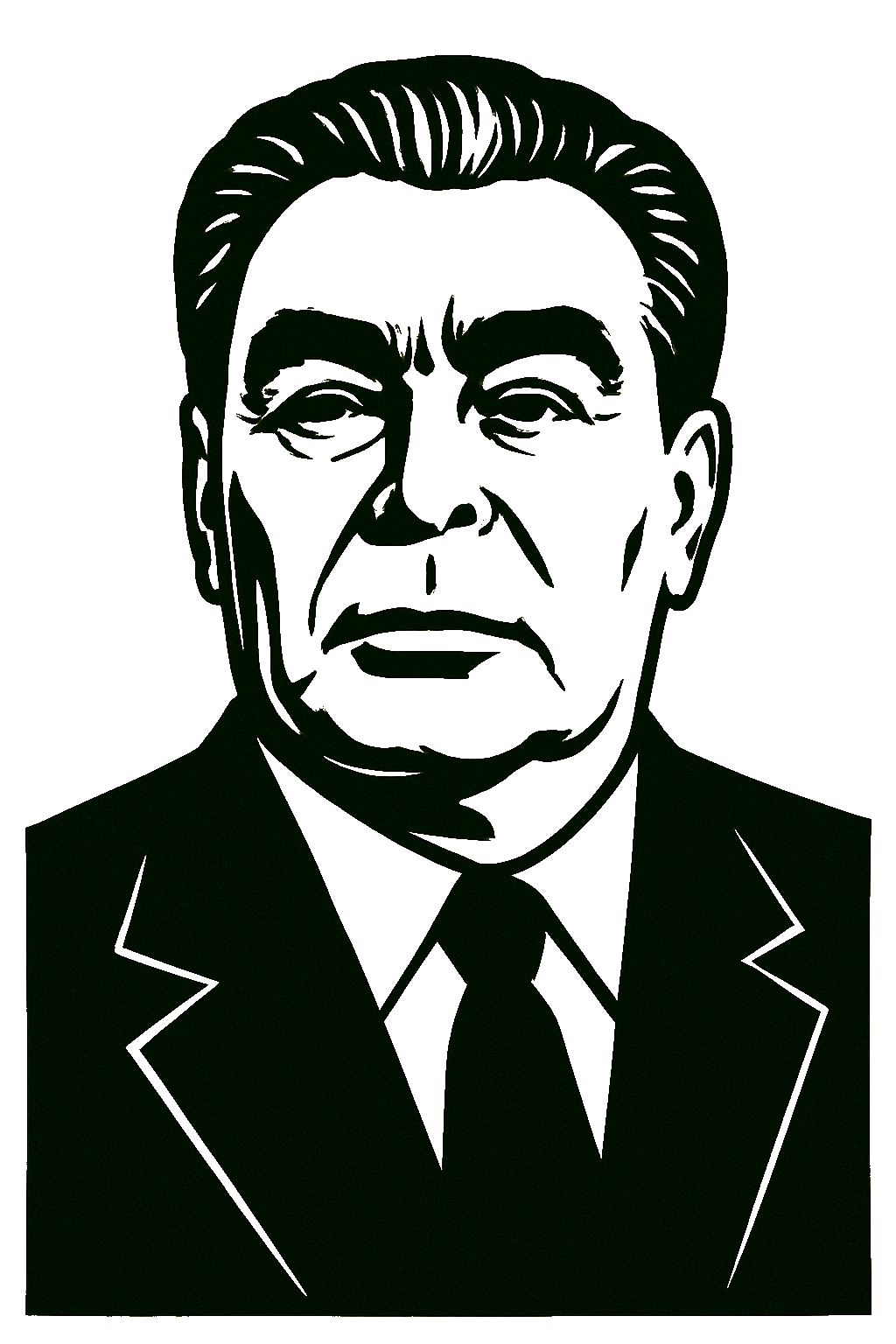
Leonid Brezhnev
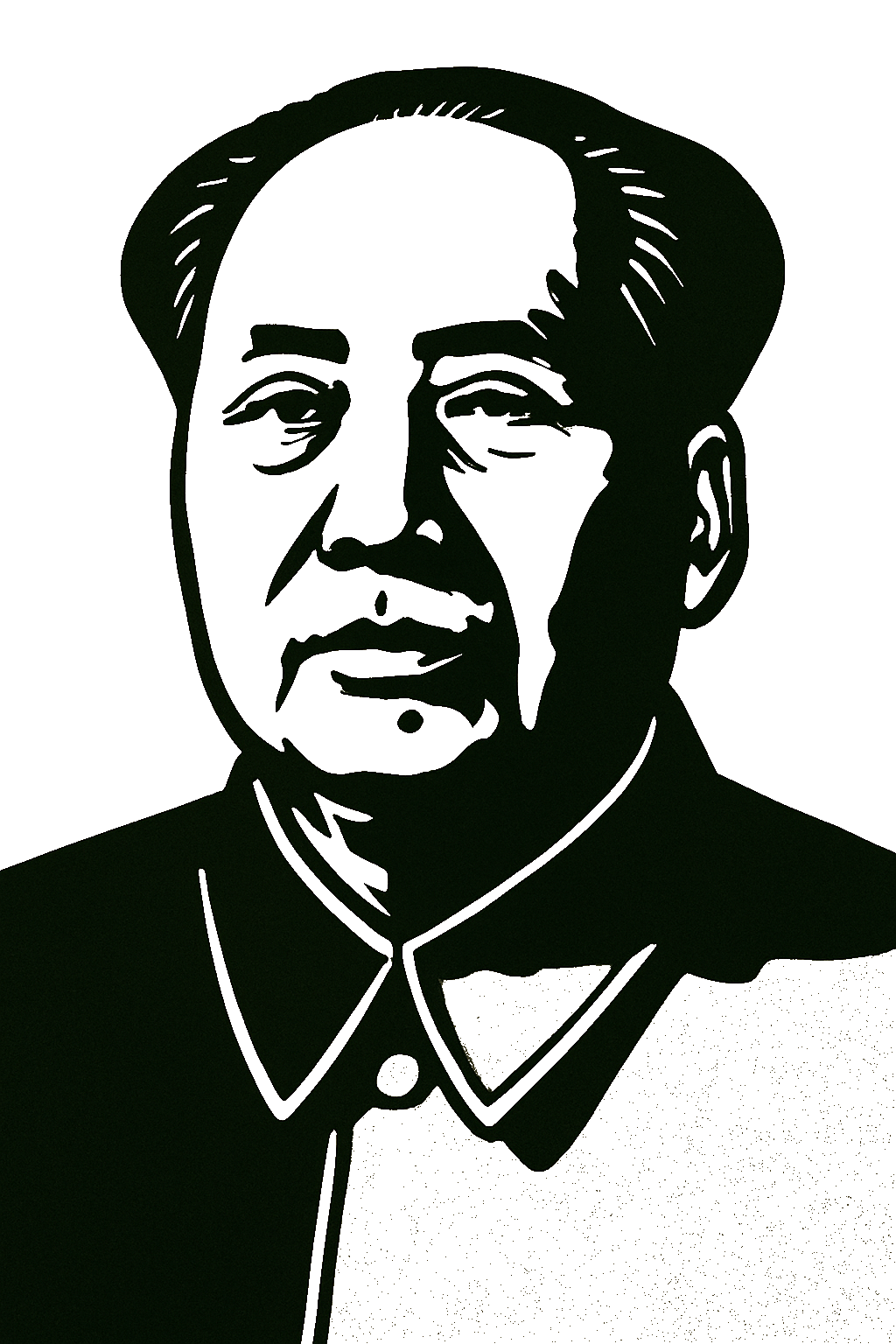
Mao Zedong
Martin Heidegger
Adolf Hitler
Oswald Spengler
Winston Churchill
Karl Haushofer
Neville Chamberlain
Locations
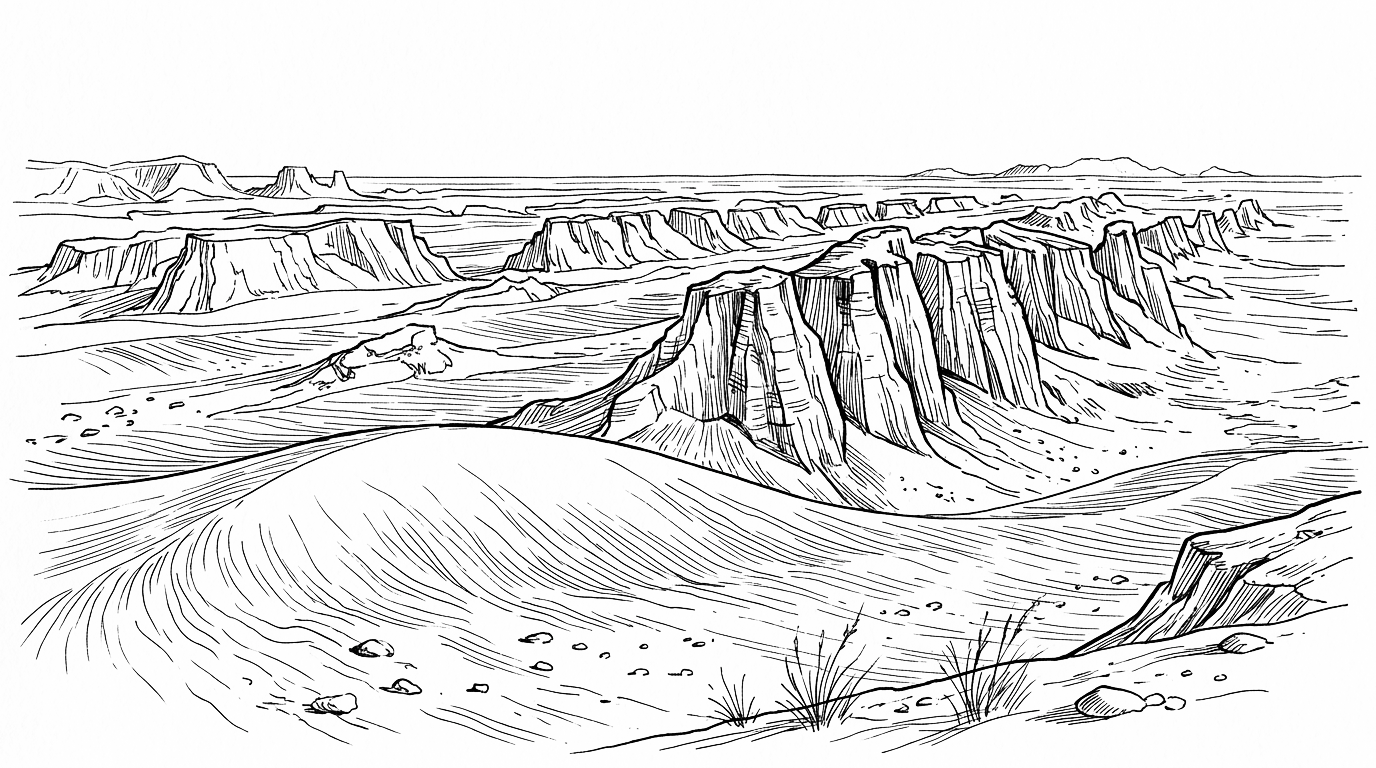
Dasht-e Lut
Deir ez-Zor
Delaware
Dnipropetrovsk Oblast
Donetsk
East Africa
East-Asia
Eastern Europe
Europe
fordow
Points of Interest
No results found.
Articles

The text you provided is quite short and does not contain any specific content that requires translation. However, if you provide a longer passage with more details, I can help you translate it accurately while maintaining technical accuracy, preserving the original meaning, and keeping proper nouns or technical terms in their original form when appropriate. Please provide the full text for which you need the translation.
Почему стратегический доступ достаточен — и почему продолжается риторика владения


Event Timeline
Israeli Strikes in Tehran Killing Larijani
On the night of 16-17 March 2026, Israeli airstrikes in the Tehran area killed Ali Larijani (Secretary of the Supreme National Security Council and de facto leader) and Gholamreza Soleimani (commander of Iran’s internal Basij militia).

Nationalisation of Iranian Oil and the Mossadegh Crisis
From 1951 to 1953, Iran nationalized its oil industry under Prime Minister Mossadegh, leading to an international crisis and the eventual 1953 coup.

Iran Hostage Crisis
In 1979, Iranian students seized the U.S. Embassy in Tehran, holding 52 Americans hostage for 444 days and transforming U.S.-Iran relations.


Taiping Heavenly Kingdom (Taiping Rebellion)
The Taiping Heavenly Kingdom was a large-scale civil war and rival state that challenged Qing rule, resulting in one of the deadliest conflicts in human history and severely weakening imperial authority.
Proclamation of the People’s Republic of China
On 1 October 1949, Mao Zedong proclaimed the People’s Republic of China in Beijing, marking the establishment of Communist rule on the mainland after civil war victory.
First Five-Year Plan and Socialist Transformation
Between 1953 and 1957, China implemented its First Five-Year Plan, restructuring land, industry, and finance along socialist lines and establishing centralized economic planning.
Great Leap Forward
The Great Leap Forward was a nationwide campaign aimed at rapidly industrializing China through mass mobilization and rural collectivization, resulting in severe economic disruption and widespread famine.
Xinhai Revolution
The Xinhai Revolution overthrew the Qing Dynasty and ended over two millennia of imperial rule, leading to the establishment of the Republic of China.


