
Malta
Intro
Despite its small size, Malta exerts influence through its maritime location and EU membership. It is a gateway between Europe and North Africa, a hub for shipping, finance, and tourism, and a key node in Mediterranean policy.
Background
Malta gained independence from the UK in 1964 and became a republic in 1974. Its neutrality, enshrined in the constitution, coexists with close cooperation with EU and NATO frameworks. Economic growth relies on tourism, digital services, and offshore finance.
History
- 1964: Independence from the United Kingdom – 1974: Becomes a republic – 2004: Joins the European Union – 2010s-2020s: Expands finance, technology, and maritime sectors amid EU regulation
Present Day
In 2025, Malta remains one of Europe’s most stable economies, focusing on sustainable growth, digital transformation, and Mediterranean security cooperation.
Future Outlook
Malta will remain a service-based economy dependent on EU frameworks. Its maritime infrastructure and neutrality support regional diplomacy and trade.
Map
Topics
Persons
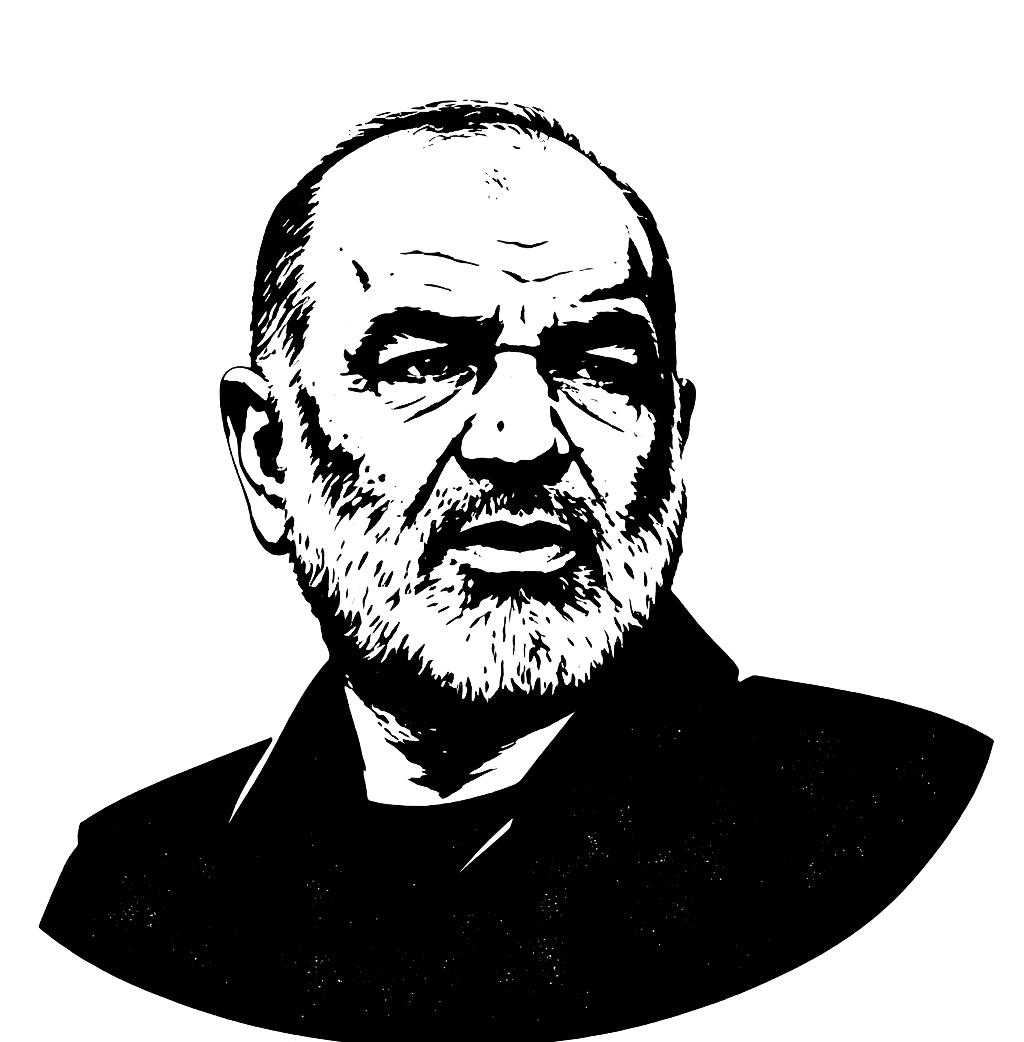
Hossein Salami
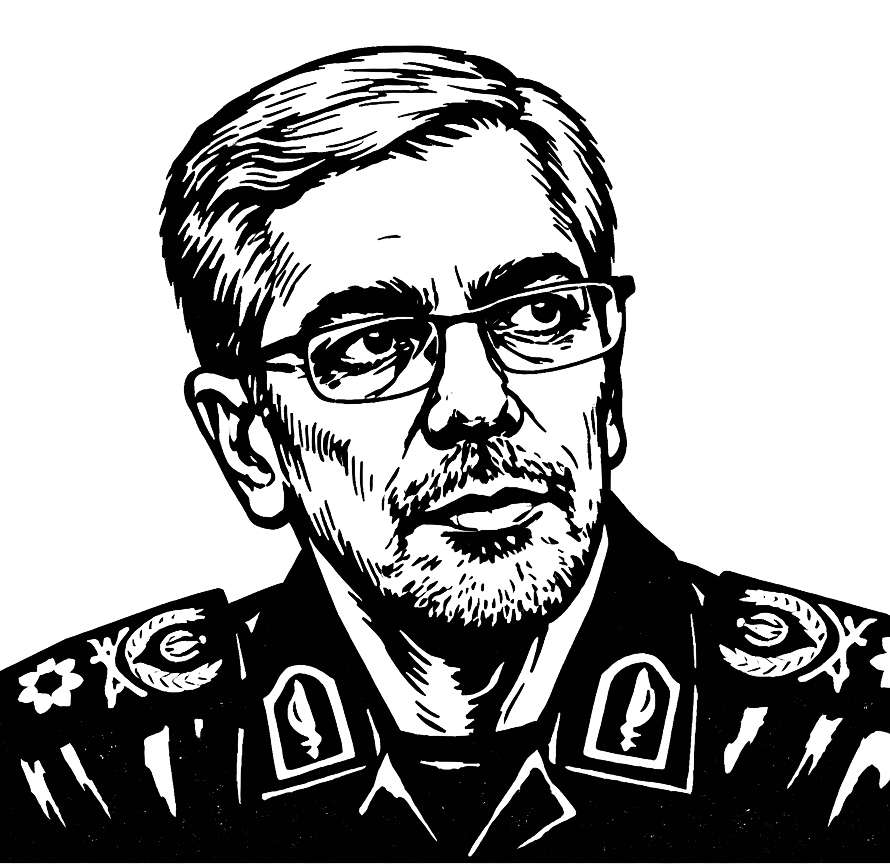
Mohammad Bagheri
Benny Gantz
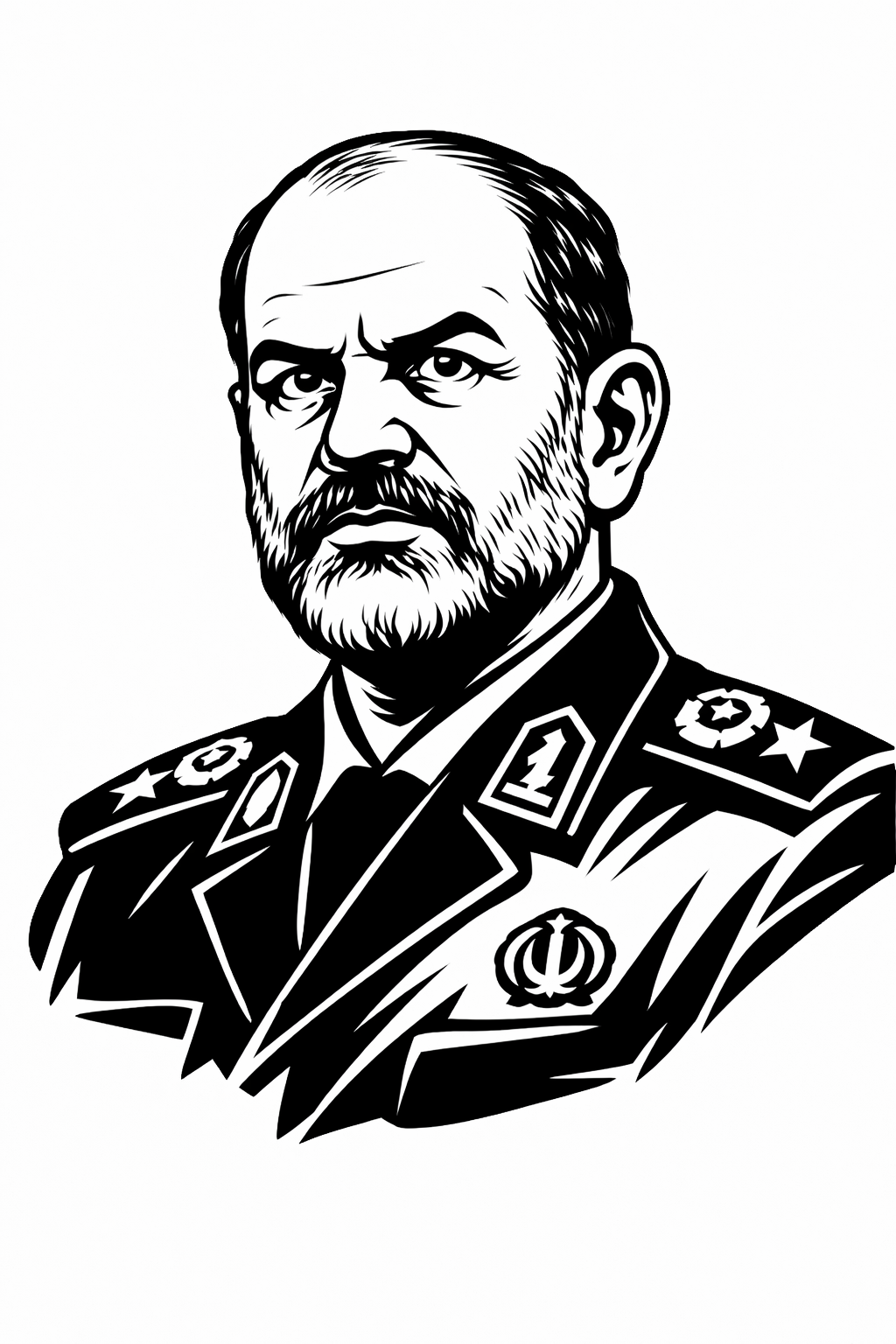
Ahmad Vahidi
Qasem Soleimani
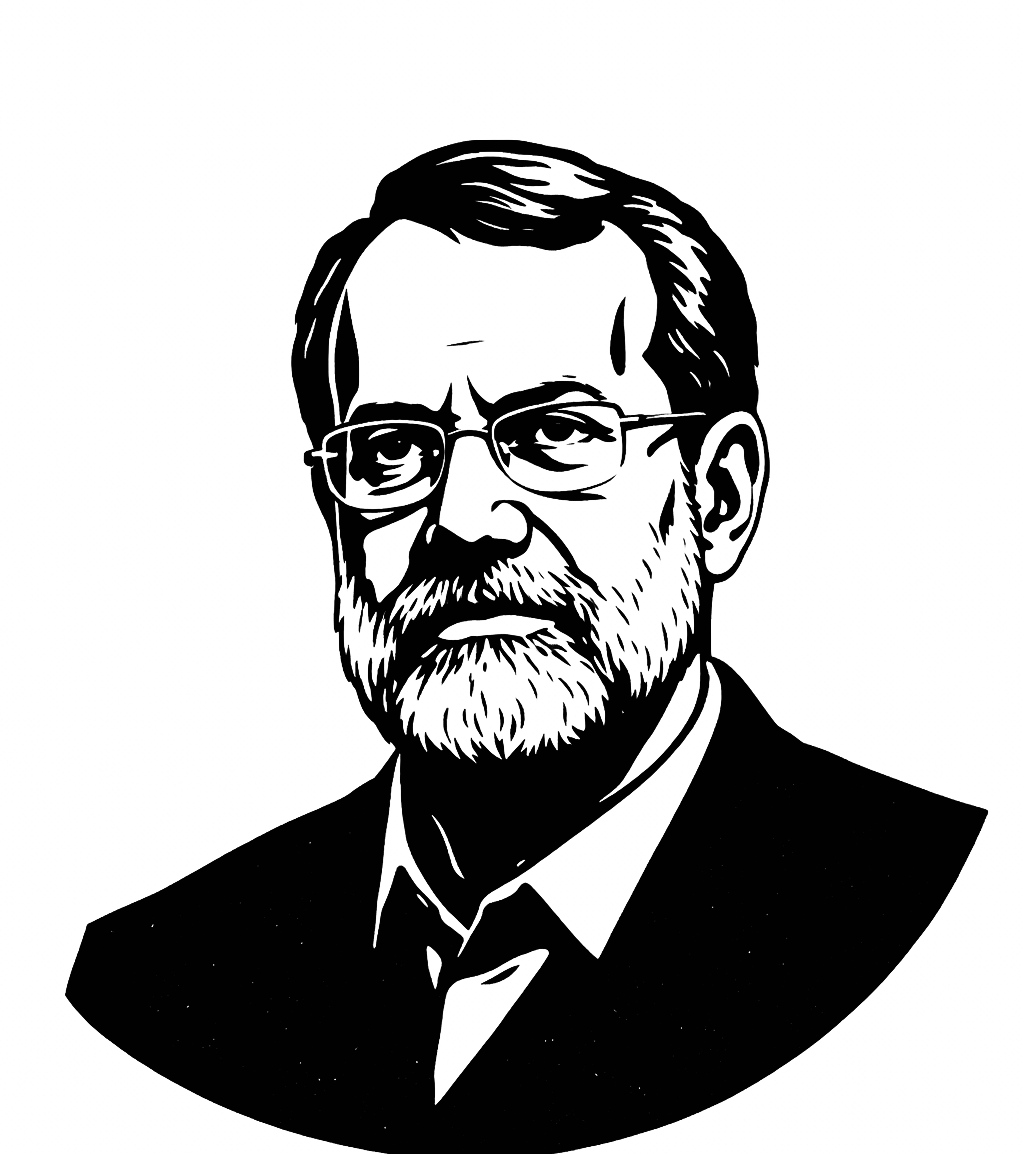
Ali Larijani
Steve Witkoff
Ismail Qaani
Israel Katz
Articles

The text you provided is quite short and does not contain any specific content that requires translation. However, if you provide a longer passage with more details, I can help you translate it accurately while maintaining technical accuracy, preserving the original meaning, and keeping proper nouns or technical terms in their original form when appropriate. Please provide the full text for which you need the translation.
Почему стратегический доступ достаточен — и почему продолжается риторика владения


Event Timeline

Polish-Lithuanian Rule over Ukraine
Before Moscow, there was Lublin. The Polish–Lithuanian Commonwealth laid the groundwork for Western Ukrainian identity — and for centuries of contested rule.


