
Greece
Intro
Tourism, shipping, and energy define Greece’s modern economy. Fiscal reforms and EU oversight stabilized debt, while foreign investment supports technology and infrastructure renewal. Athens leverages maritime geography for defense and logistics.
Background
Following the 2008 debt crisis, Greece undertook major fiscal consolidation and reform. Political normalization and tourism rebound restored growth. Energy corridors and defense partnerships with France, Israel, and Egypt enhance regional status.
History
- 1981: Joins the European Community – 2001: Adopts the Euro – 2008-2018: Financial crisis and EU bailouts – 2020s: Energy diversification and defense modernization
Present Day
In 2025, Greece records steady growth, tourism expansion, and active diplomacy in the Aegean. Defense modernization continues alongside energy exploration with EU and regional partners.
Future Outlook
Greece’s long-term stability depends on energy connectivity, fiscal discipline, and defense readiness. Eastern Mediterranean gas and renewables could redefine its economic geography.
Map
Topics
Persons

Masoud Pezeshkian

Hugo Chávez
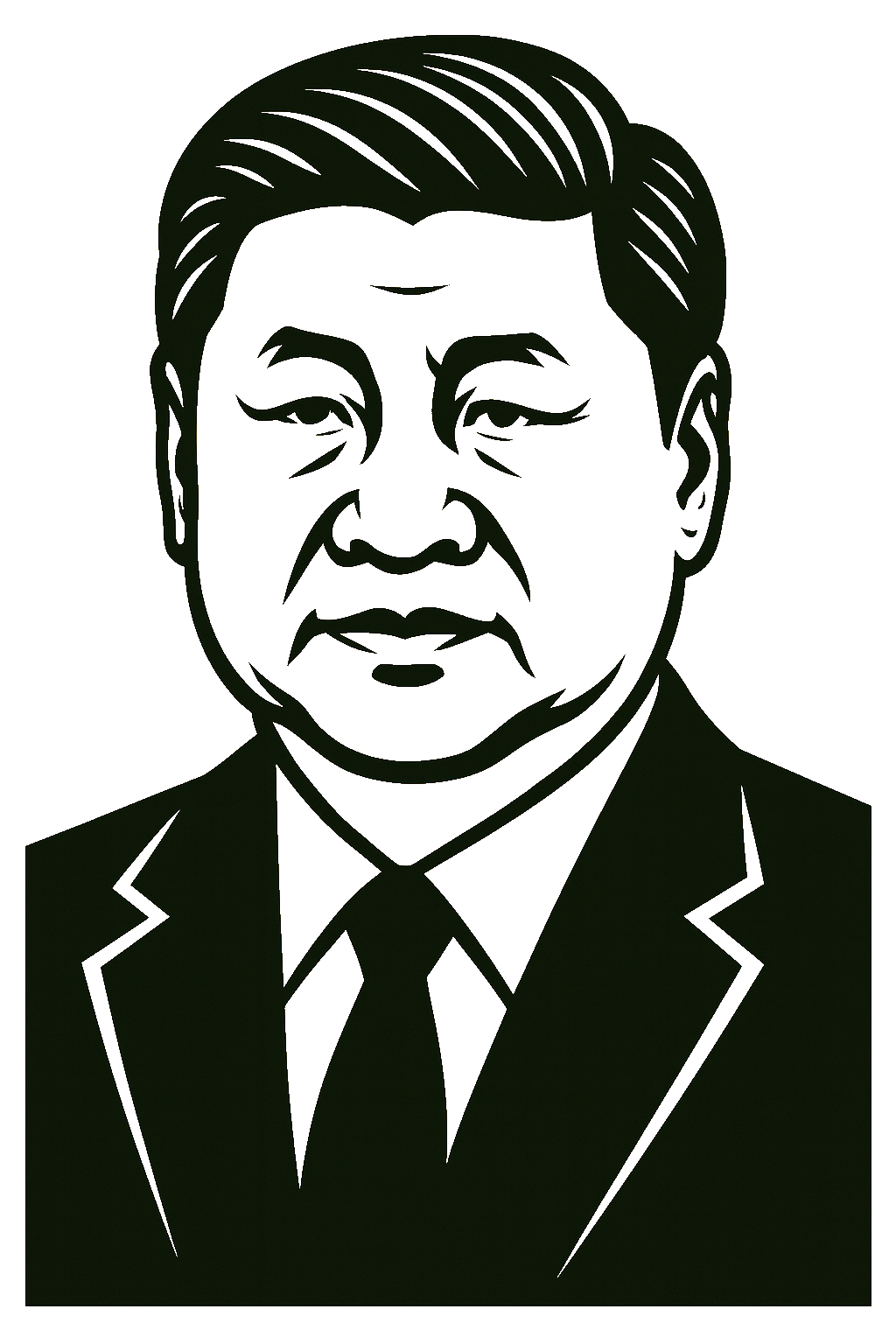
Xi Jinping
Lloyd Austin
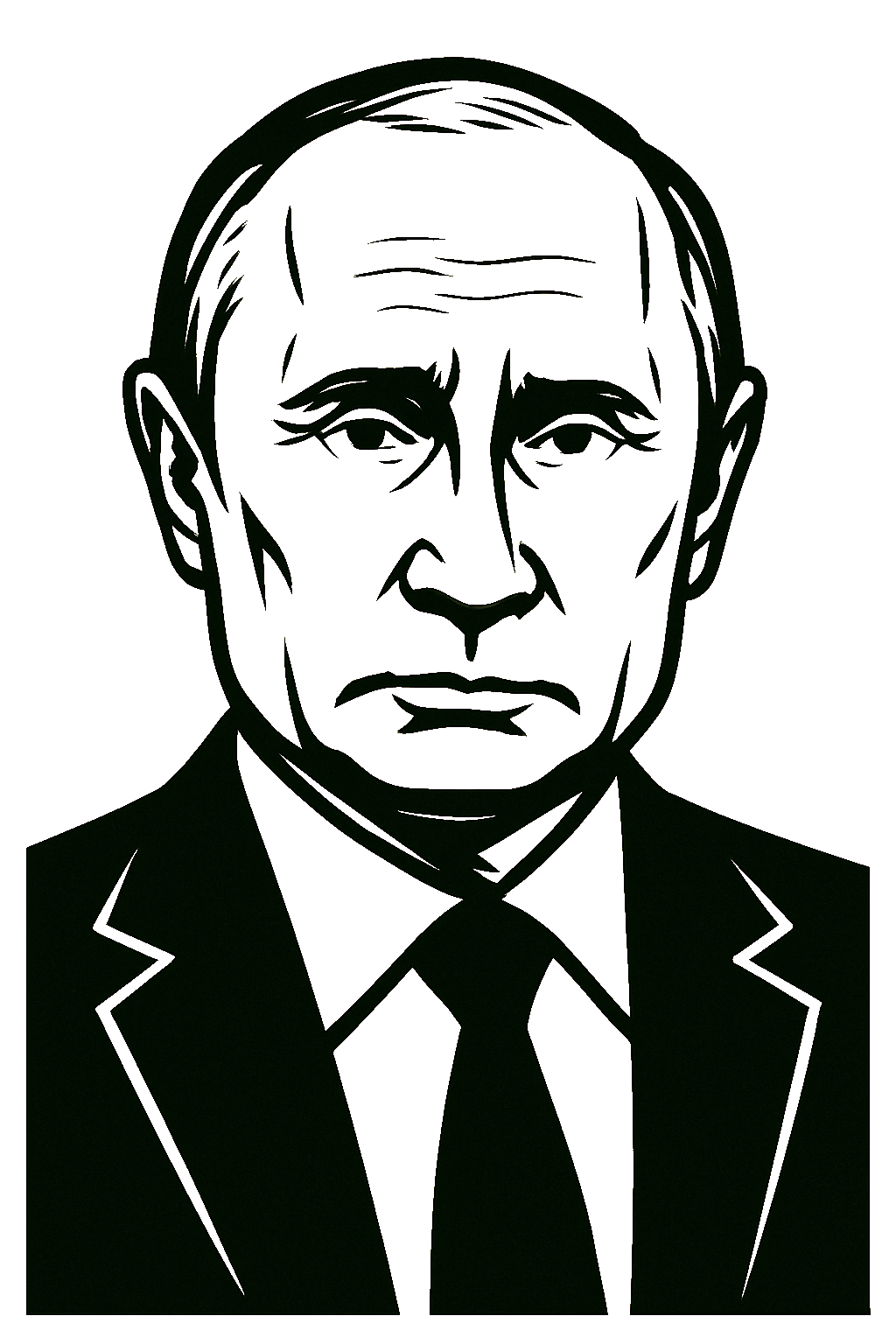
Vladimir Putin
Benjamin Netanyahu

Ali Khamenei

Jimmy Carter

Henry Kissinger
Locations
Mainland China

China
India
North America
United States
Indonesia
Pakistan
Bangladesh
Russia
Japan
Points of Interest
No results found.
Articles

The text you provided is quite short and does not contain any specific content that requires translation. However, if you provide a longer passage with more details, I can help you translate it accurately while maintaining technical accuracy, preserving the original meaning, and keeping proper nouns or technical terms in their original form when appropriate. Please provide the full text for which you need the translation.
Почему стратегический доступ достаточен — и почему продолжается риторика владения


Event Timeline

U.S. arrests Nicolás Maduro
U.S. forces arrest Nicolás Maduro in Caracas, removing him from power through external intervention.
British Occupation of Hong Kong Island
British forces landed on Hong Kong Island and claimed it in the name of the Crown following the First Opium War.

Treaty of Nanking Signed
The Treaty of Nanking ended the First Opium War and ceded Hong Kong Island to Britain, formalizing its colonial status.
Kowloon Peninsula Ceded to Britain
The Convention of Peking ceded the southern part of the Kowloon Peninsula to Britain, extending colonial Hong Kong beyond the island.
British Lease of New Territories
Britain signed a 99-year lease with the Qing Empire, adding the New Territories and islands to colonial Hong Kong.
Kowloon Walled City Preserved
Britain leases the New Territories for 99 years but allows China to retain nominal control of the Kowloon Walled City.
Japanese Invasion of Hong Kong
Japan invades British Hong Kong, launching a bloody battle and three years of occupation.
Return to British Control
British forces retook control of Hong Kong from Japan after Japan’s surrender in World War II.


