
Kosovo
Intro
Following the 1999 NATO intervention, Kosovo declared independence from Serbia in 2008. Its sovereignty remains contested but recognized by most EU and NATO members. The country aspires to Euro-Atlantic integration under international supervision.
Background
The 1998-1999 Kosovo War ended with NATO’s intervention and the withdrawal of Serbian forces. UNMIK and KFOR established provisional governance, transitioning toward independence. Despite non-recognition by Serbia, Russia, and several EU members, Kosovo operates as a functioning democracy.
History
- 1999: NATO intervention ends conflict – 2008: Declaration of independence – 2010: ICJ advisory opinion affirms legality of declaration – 2013: Brussels Agreement begins normalization dialogue with Serbia – 2020s: EU-mediated talks continue; limited progress on recognition
Present Day
In 2025, Kosovo remains stable under NATO and EU supervision. Dialogue with Serbia advances slowly; domestic reform strengthens democratic institutions.
Future Outlook
Kosovo’s path to full international integration depends on Serbia normalization and broader EU consensus on recognition.
Map
Topics
Persons
Oleksandr Syrskyi
Hossein Amir-Abdollahian
Ismail Haniyeh
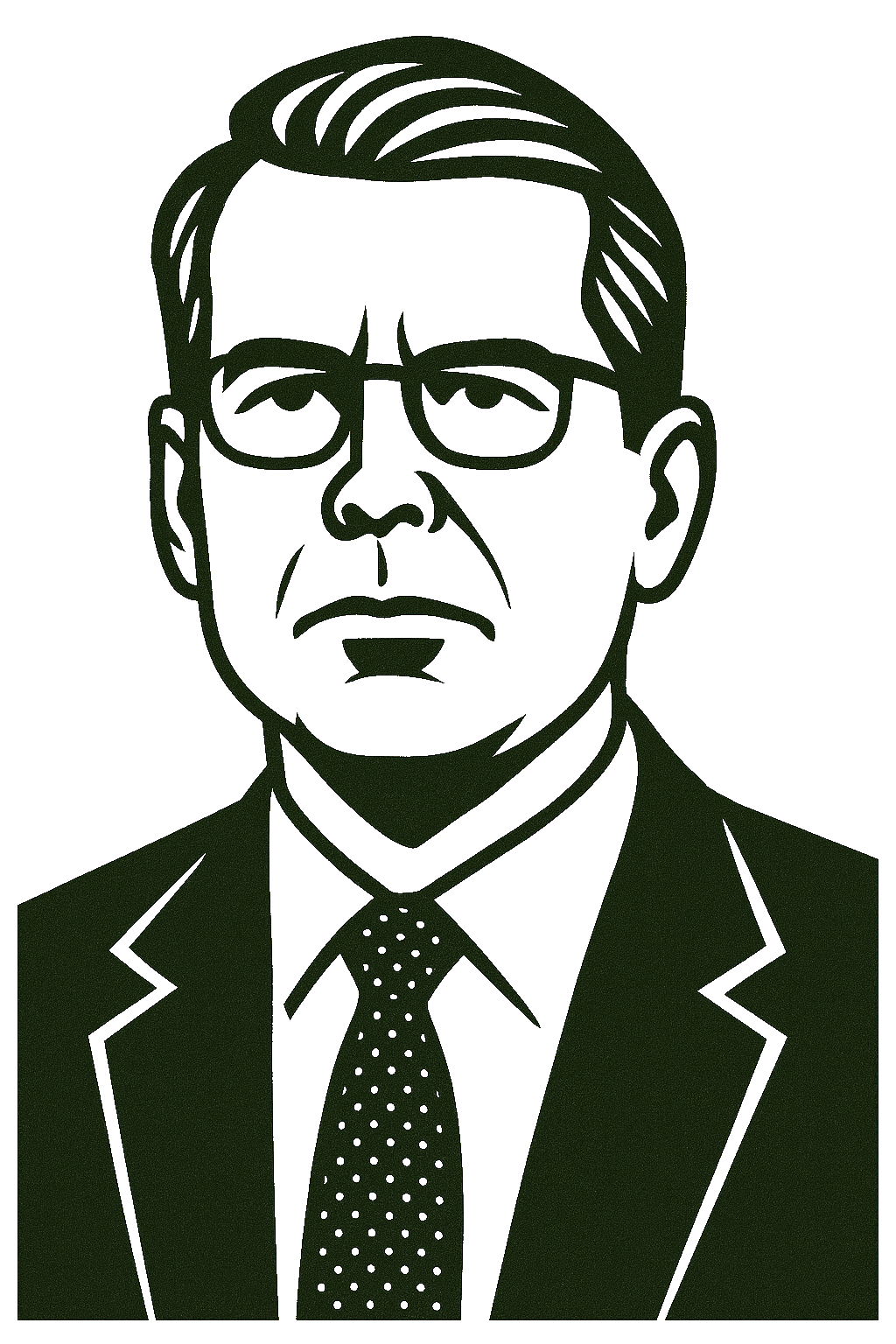
Scott Bessent
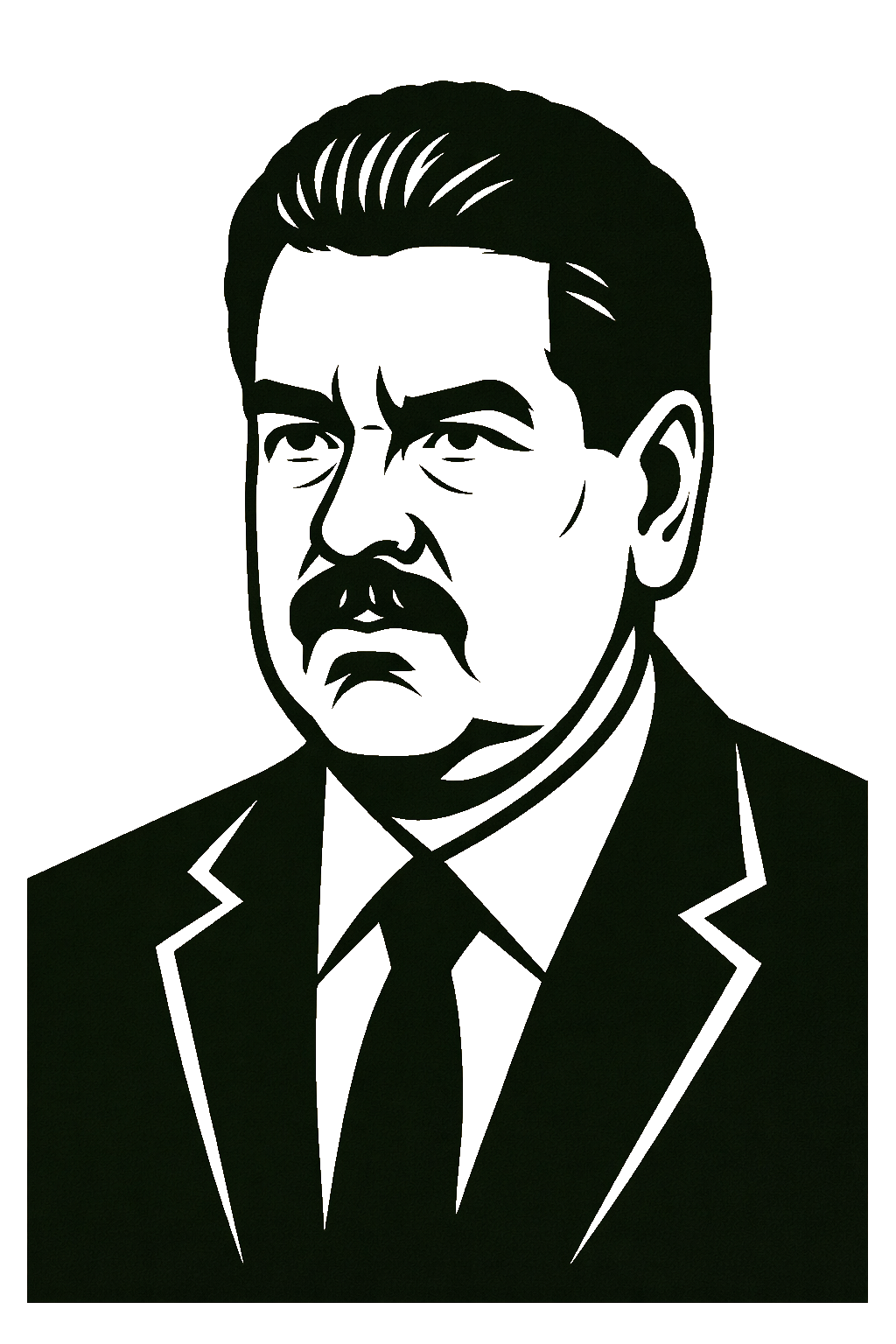
Nicolás Maduro
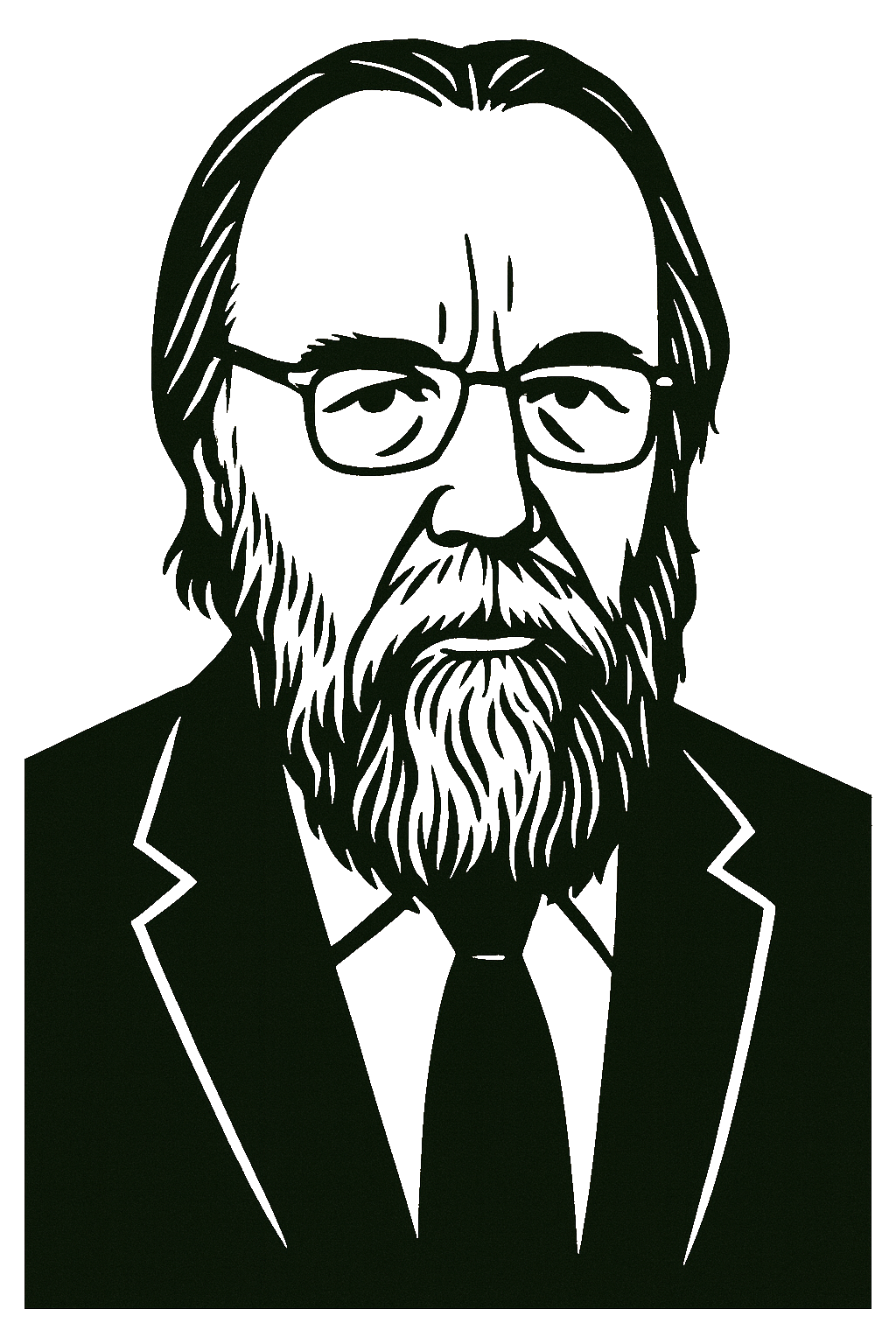
Alexander Dugin

Reza Pahlavi
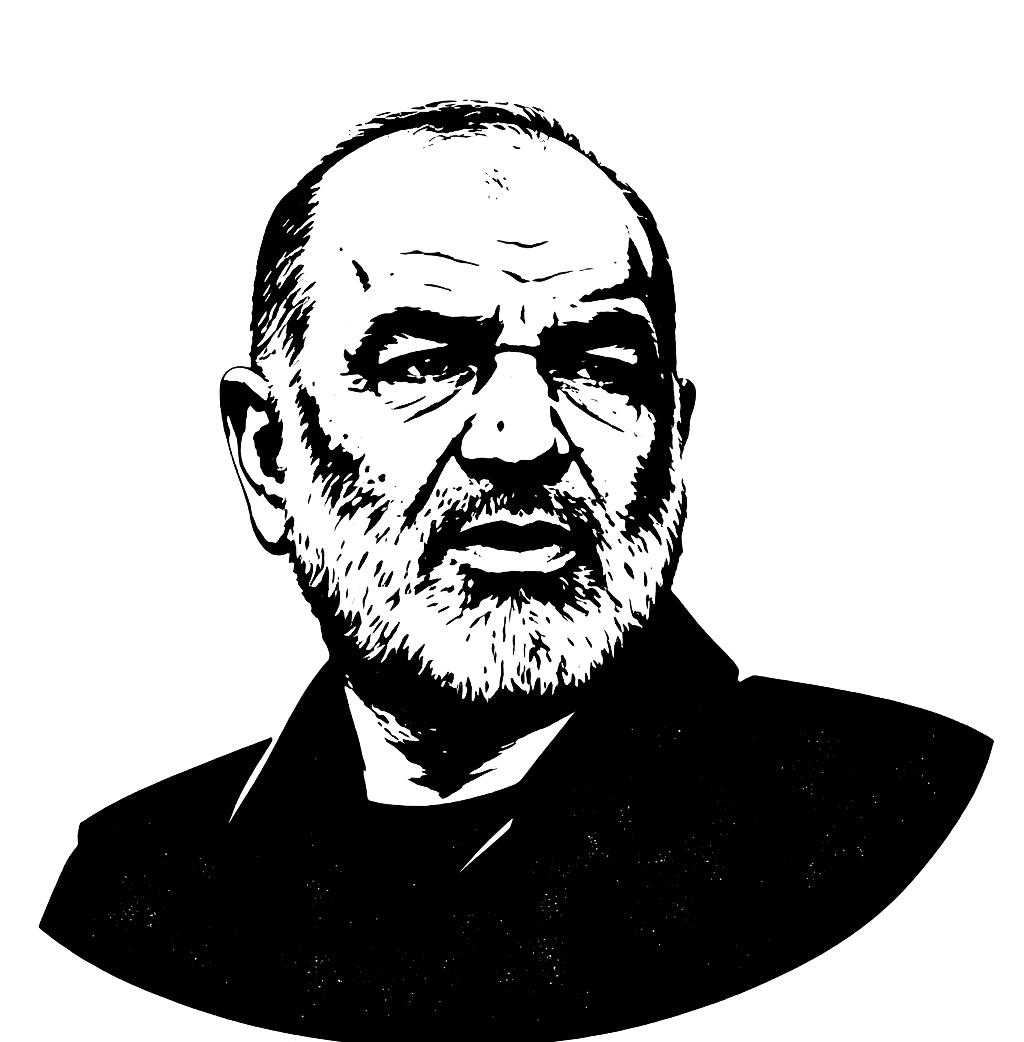
Hossein Salami
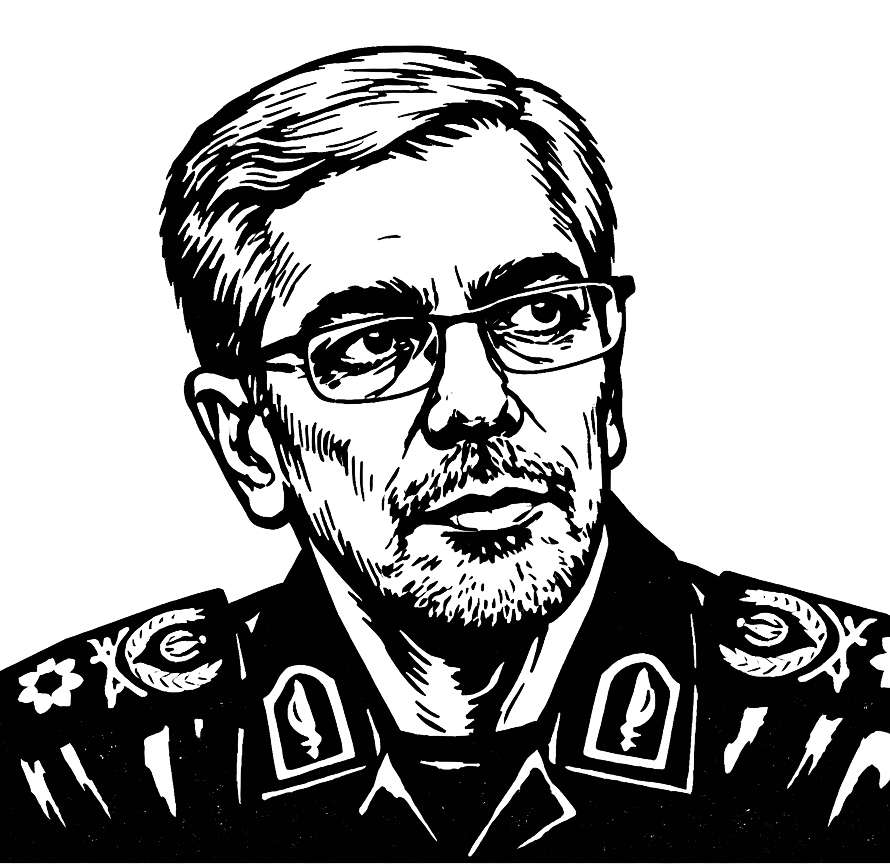
Mohammad Bagheri
Locations
Mainland China

China
India
North America
United States
Indonesia
Pakistan
Bangladesh
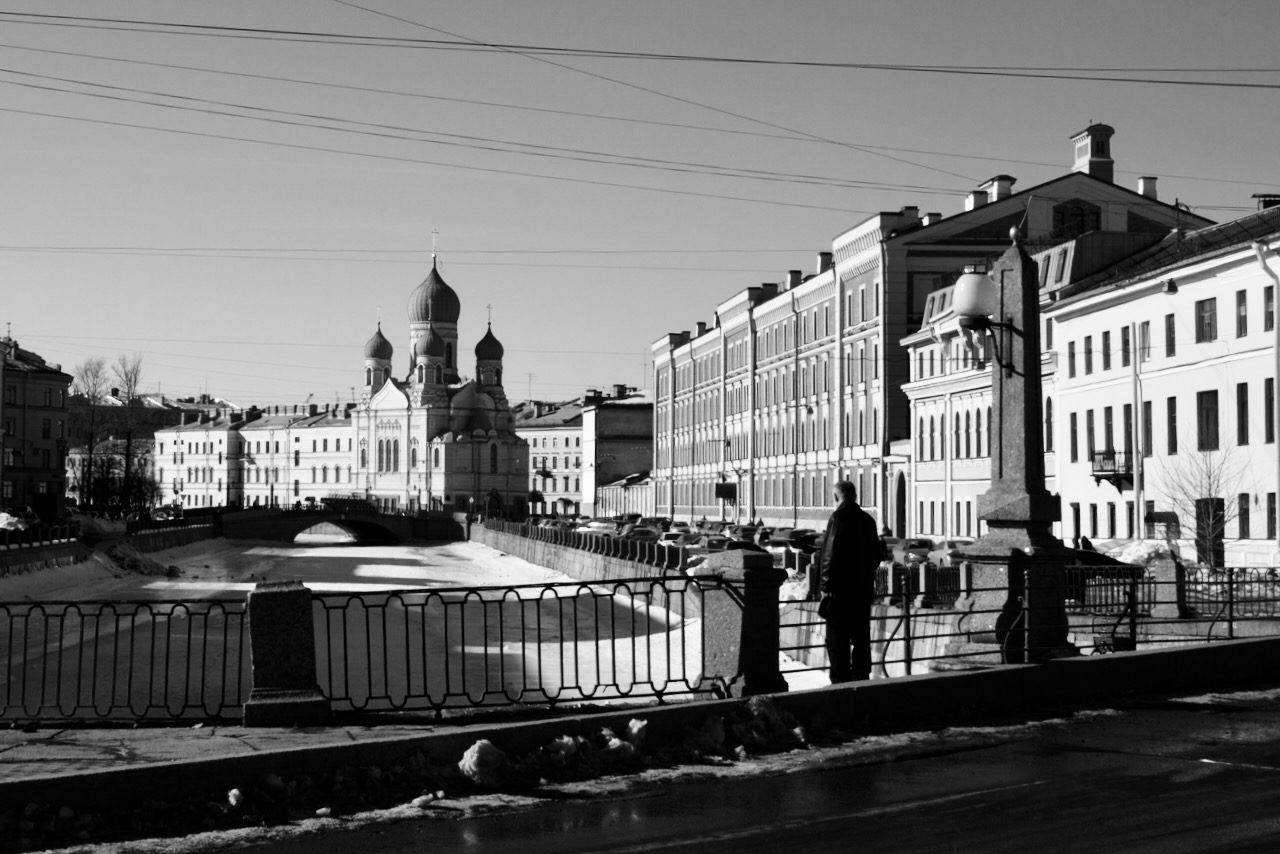
Russia
Japan
Points of Interest
No results found.
Articles

The text you provided is quite short and does not contain any specific content that requires translation. However, if you provide a longer passage with more details, I can help you translate it accurately while maintaining technical accuracy, preserving the original meaning, and keeping proper nouns or technical terms in their original form when appropriate. Please provide the full text for which you need the translation.
Почему стратегический доступ достаточен — и почему продолжается риторика владения


Event Timeline

Polish-Lithuanian Rule over Ukraine
Before Moscow, there was Lublin. The Polish–Lithuanian Commonwealth laid the groundwork for Western Ukrainian identity — and for centuries of contested rule.


