
Kosovo
Intro
Following the 1999 NATO intervention, Kosovo declared independence from Serbia in 2008. Its sovereignty remains contested but recognized by most EU and NATO members. The country aspires to Euro-Atlantic integration under international supervision.
Background
The 1998-1999 Kosovo War ended with NATO’s intervention and the withdrawal of Serbian forces. UNMIK and KFOR established provisional governance, transitioning toward independence. Despite non-recognition by Serbia, Russia, and several EU members, Kosovo operates as a functioning democracy.
History
- 1999: NATO intervention ends conflict – 2008: Declaration of independence – 2010: ICJ advisory opinion affirms legality of declaration – 2013: Brussels Agreement begins normalization dialogue with Serbia – 2020s: EU-mediated talks continue; limited progress on recognition
Present Day
In 2025, Kosovo remains stable under NATO and EU supervision. Dialogue with Serbia advances slowly; domestic reform strengthens democratic institutions.
Future Outlook
Kosovo’s path to full international integration depends on Serbia normalization and broader EU consensus on recognition.
Map
Topics
Persons
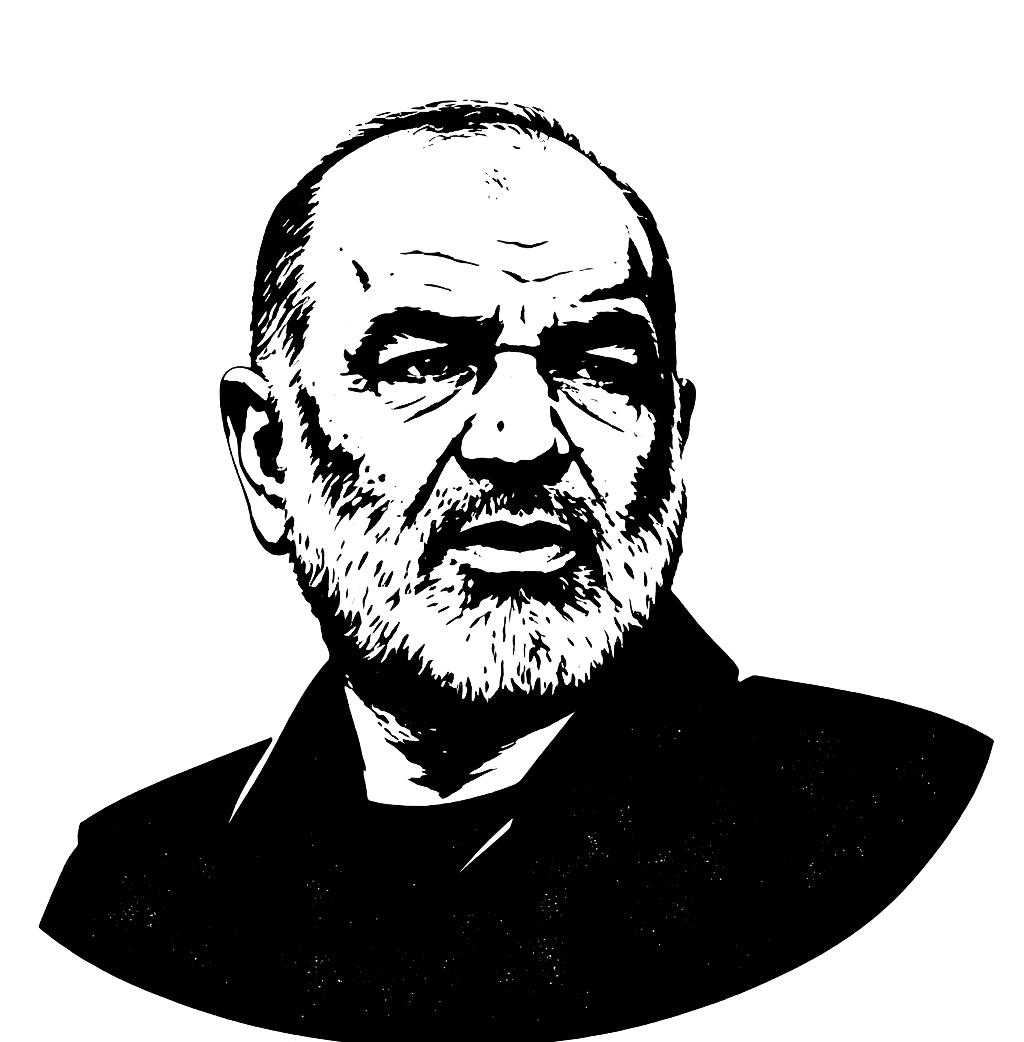
Hossein Salami
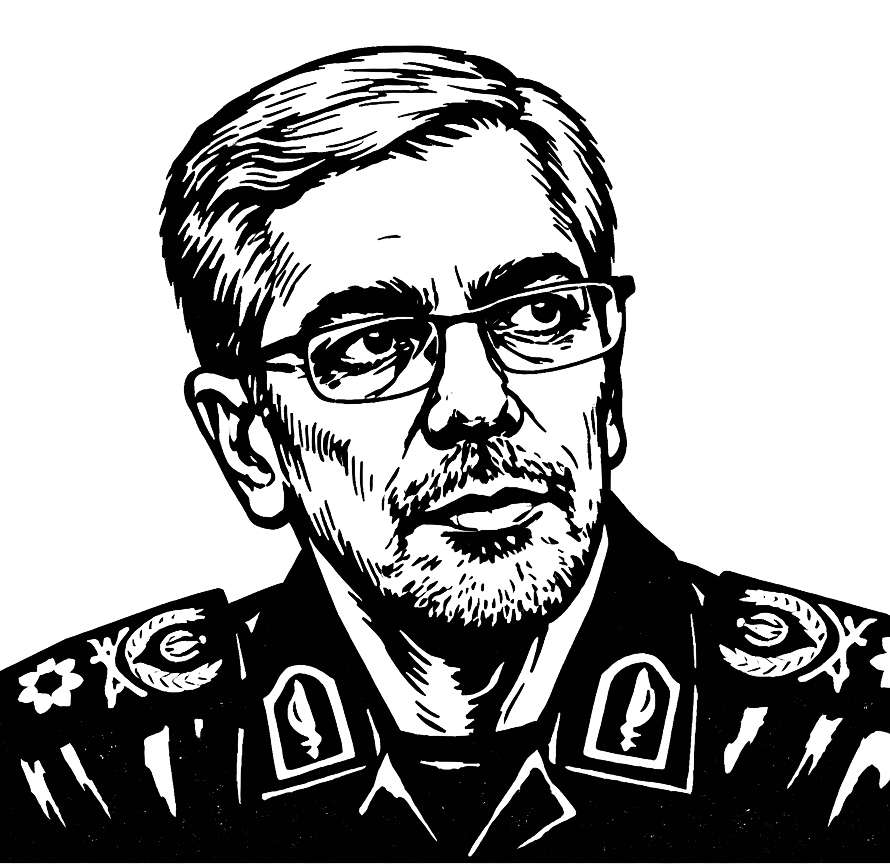
Mohammad Bagheri
Benny Gantz
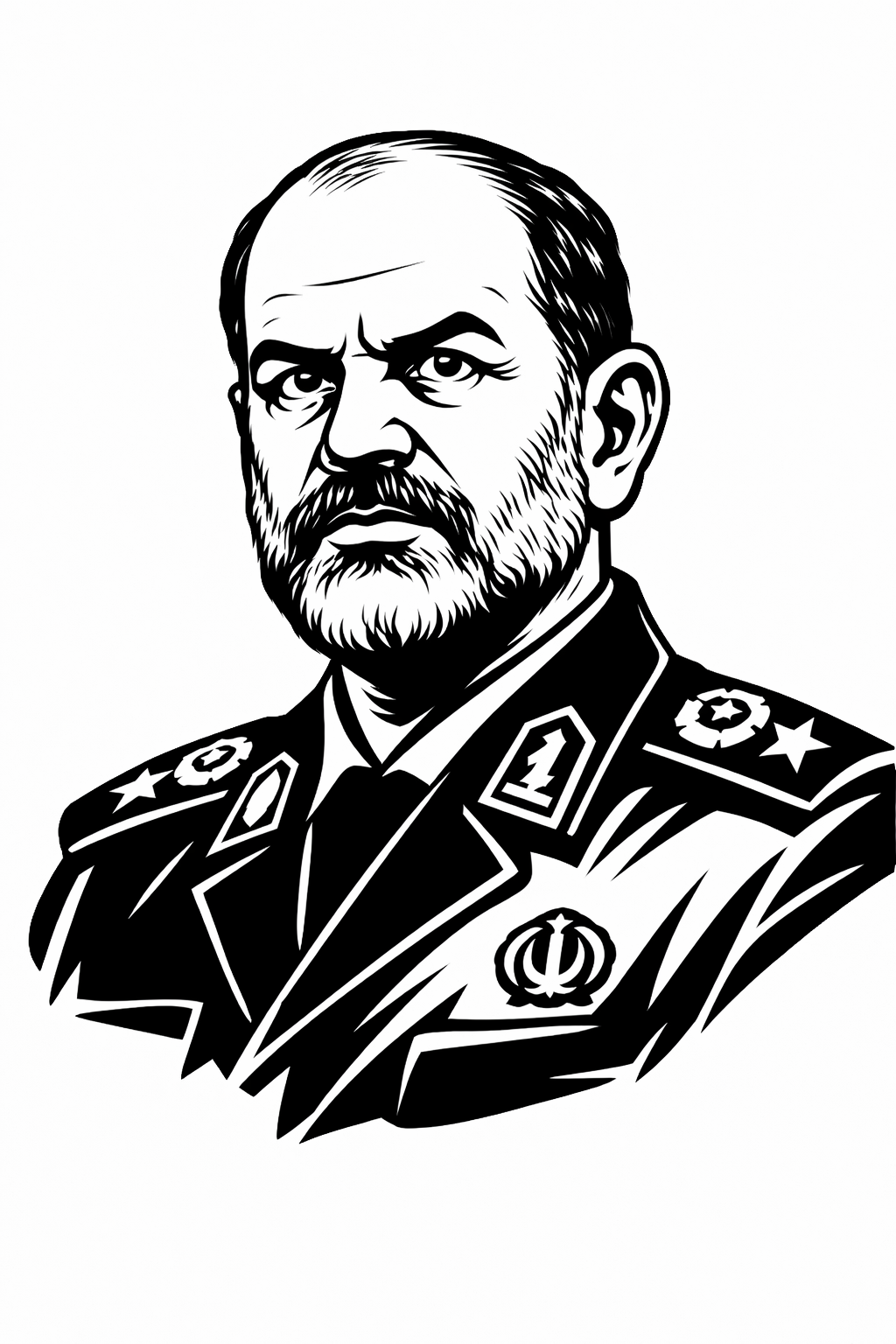
Ahmad Vahidi
Qasem Soleimani
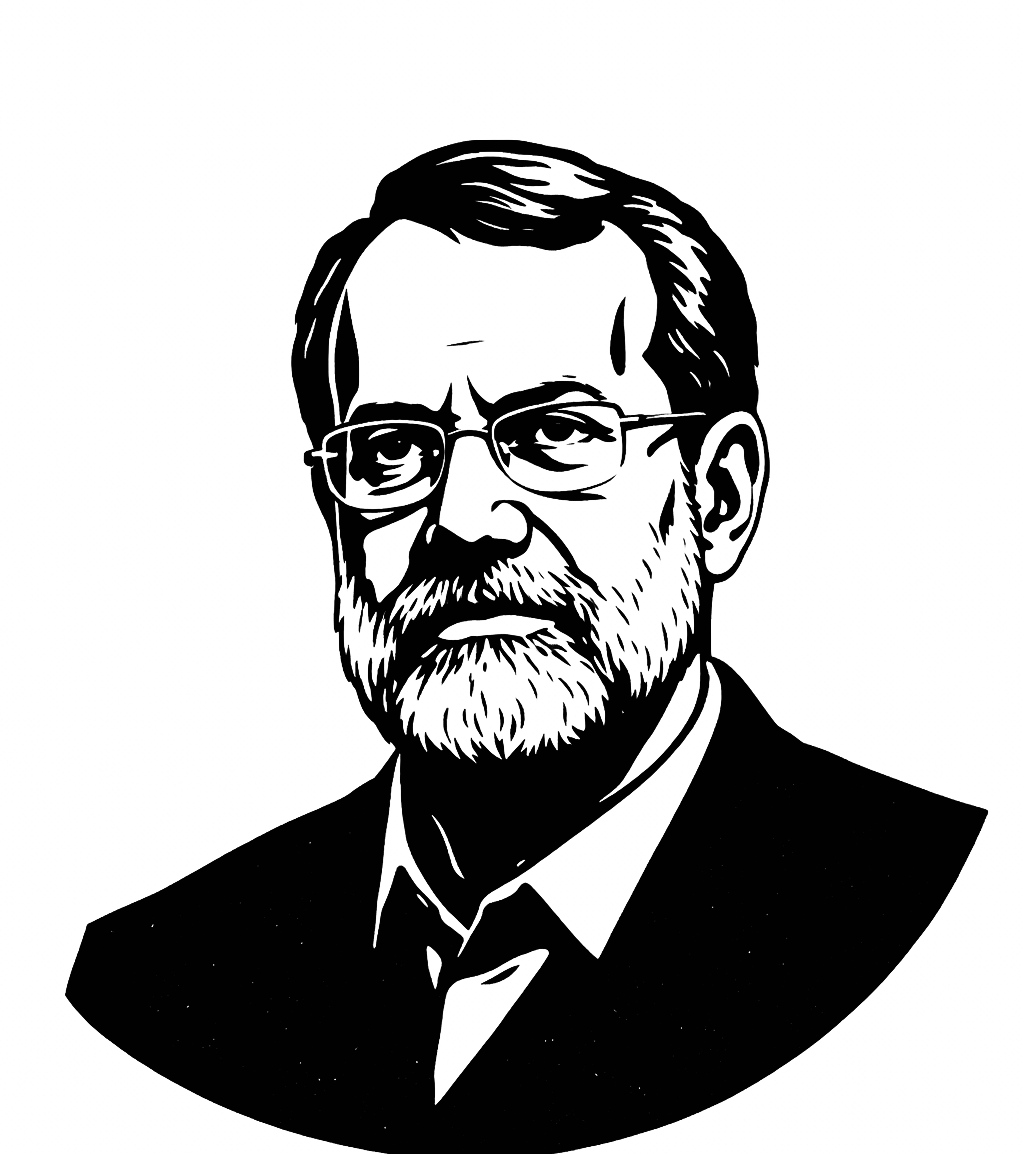
Ali Larijani
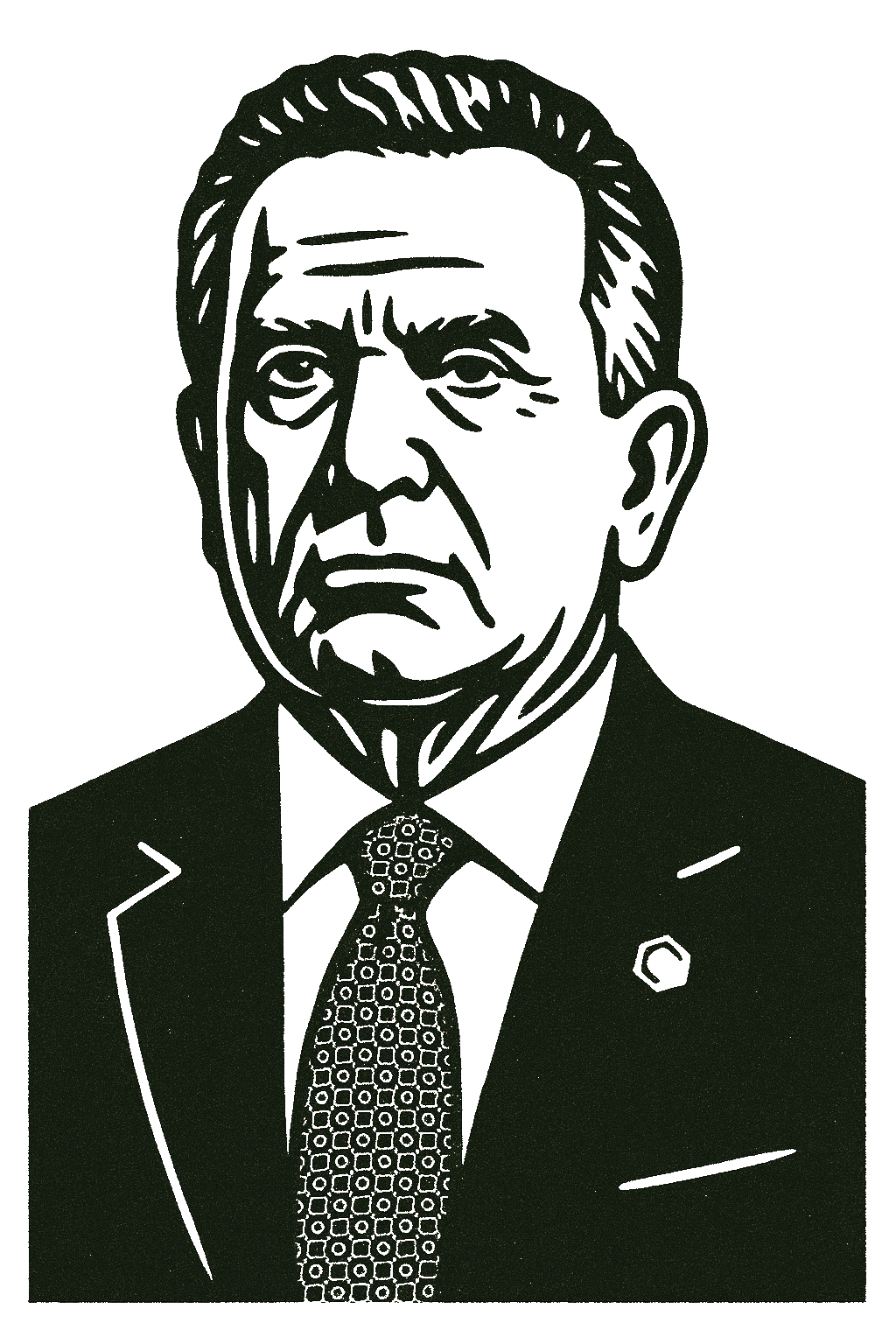
Steve Witkoff
Ismail Qaani
Israel Katz
Locations
Italy
Central America
Myanmar
South Korea
Guangxi Zhuang Autonomous Region
Colombia
Spain
Donetsk Oblast
Iraq
Sudan
Points of Interest
No results found.
Articles

The text you provided is quite short and does not contain any specific content that requires translation. However, if you provide a longer passage with more details, I can help you translate it accurately while maintaining technical accuracy, preserving the original meaning, and keeping proper nouns or technical terms in their original form when appropriate. Please provide the full text for which you need the translation.
Почему стратегический доступ достаточен — и почему продолжается риторика владения


Event Timeline
Technocratic Governance and Managed Growth
Between 2002 and 2012, China was governed through a technocratic model emphasizing stability, managed economic growth, and incremental reform under collective leadership.
Convention of Peking
The Convention of Peking ended the Second Opium War and ceded the Kowloon Peninsula south of Boundary Street to Britain.

Second Opium War
The Second Opium War expanded Western military pressure on Qing China, resulting in deeper treaty concessions, legalized opium trade, and intensified foreign presence in imperial affairs.

First Opium War
In June 1839, Chinese official Lin Zexu ordered the destruction of British opium stockpiles in Canton, sparking the First Opium War.
The Long March
The Long March was a strategic retreat by Chinese Communist forces that ensured the survival of the CCP and elevated Mao Zedong as its dominant leader.
Comintern Influence on the Chinese Communist Party
From its founding until the mid-1930s, the Chinese Communist Party (CCP) operated under strong ideological, organizational, and operational influence from the Soviet-led Comintern, shaping leadership struggles and strategy choices until a gradual break during the Long March era.

First Sino-Japanese War
The First Sino-Japanese War exposed the failure of Qing modernization and marked the transfer of regional leadership in East Asia from China to Japan.

Iranian Revolution
In 1979, a mass movement removed the Pahlavi monarchy and established the Islamic Republic, redefining Iran’s political and ideological system.

Reform Movement and the Khatami Presidency
From 1997 to 2005, Iran experienced a reform era focused on civic openness, political participation, and institutional debate.

The Green Movement
In 2009, large-scale protests challenged the presidential election outcome, marking one of the most significant political mobilizations since 1979.


