
Kosovo
Intro
Following the 1999 NATO intervention, Kosovo declared independence from Serbia in 2008. Its sovereignty remains contested but recognized by most EU and NATO members. The country aspires to Euro-Atlantic integration under international supervision.
Background
The 1998-1999 Kosovo War ended with NATO’s intervention and the withdrawal of Serbian forces. UNMIK and KFOR established provisional governance, transitioning toward independence. Despite non-recognition by Serbia, Russia, and several EU members, Kosovo operates as a functioning democracy.
History
- 1999: NATO intervention ends conflict – 2008: Declaration of independence – 2010: ICJ advisory opinion affirms legality of declaration – 2013: Brussels Agreement begins normalization dialogue with Serbia – 2020s: EU-mediated talks continue; limited progress on recognition
Present Day
In 2025, Kosovo remains stable under NATO and EU supervision. Dialogue with Serbia advances slowly; domestic reform strengthens democratic institutions.
Future Outlook
Kosovo’s path to full international integration depends on Serbia normalization and broader EU consensus on recognition.
Map
Topics
Persons
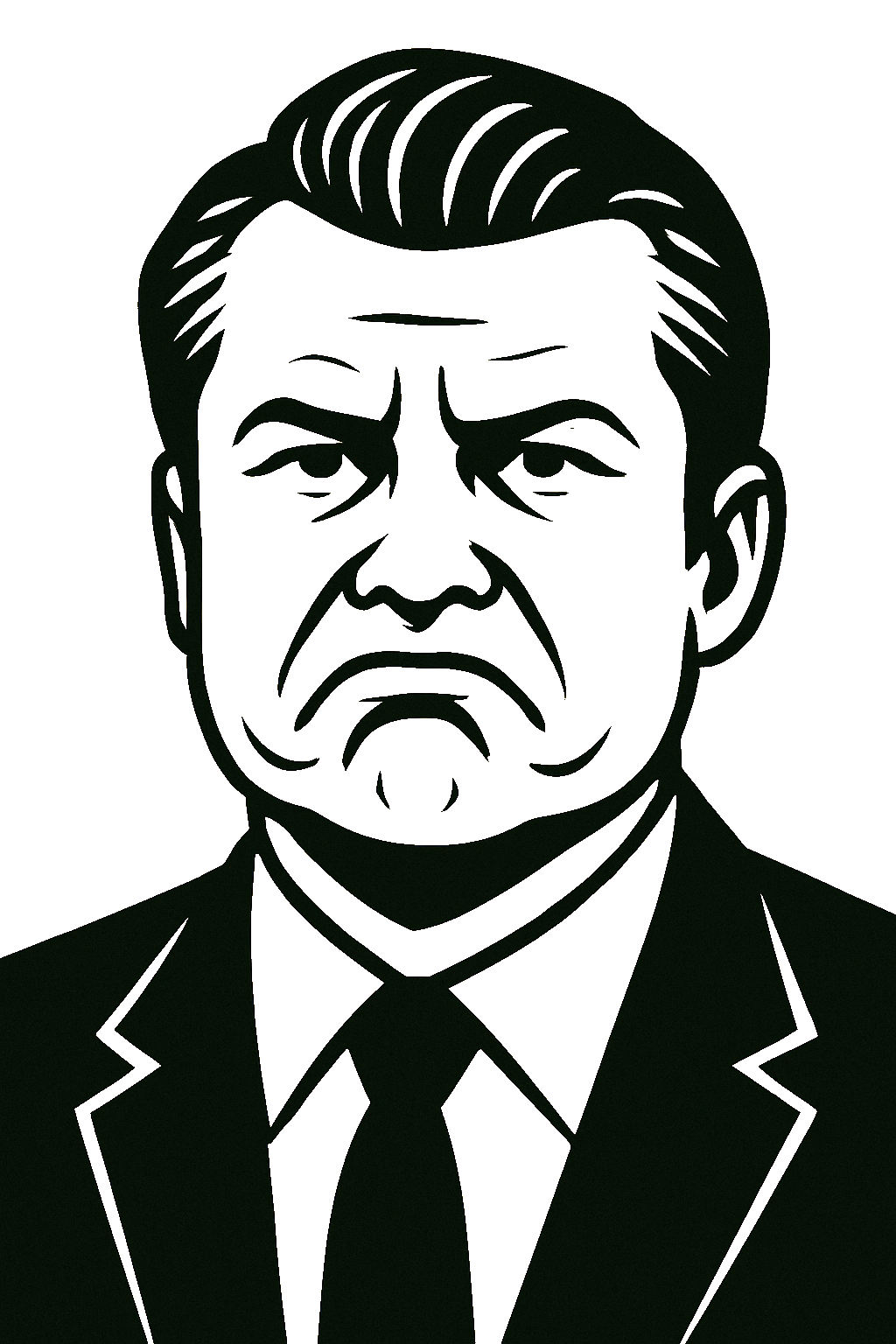
Pete Hegseth
Jake Sullivan
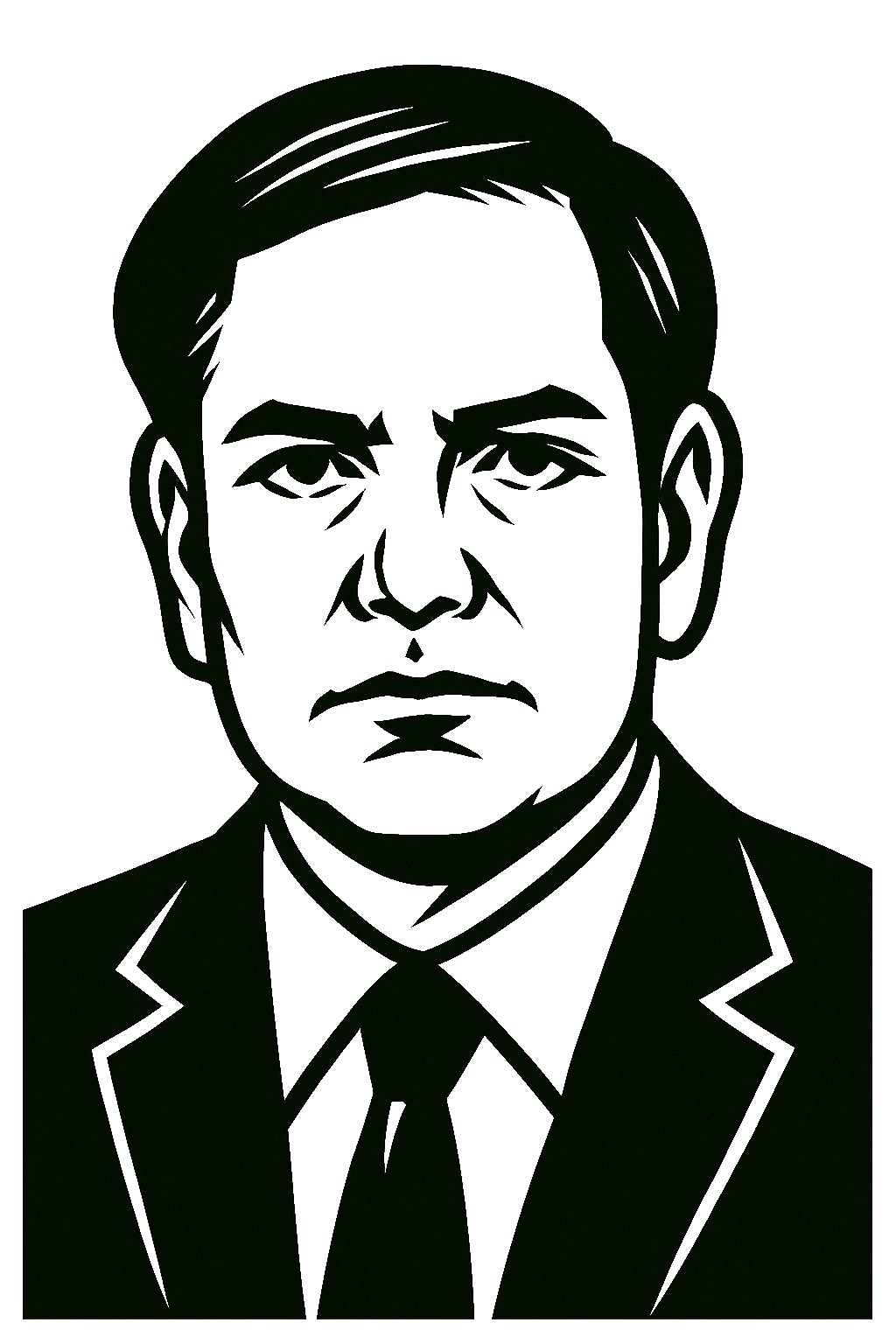
Marco Rubio
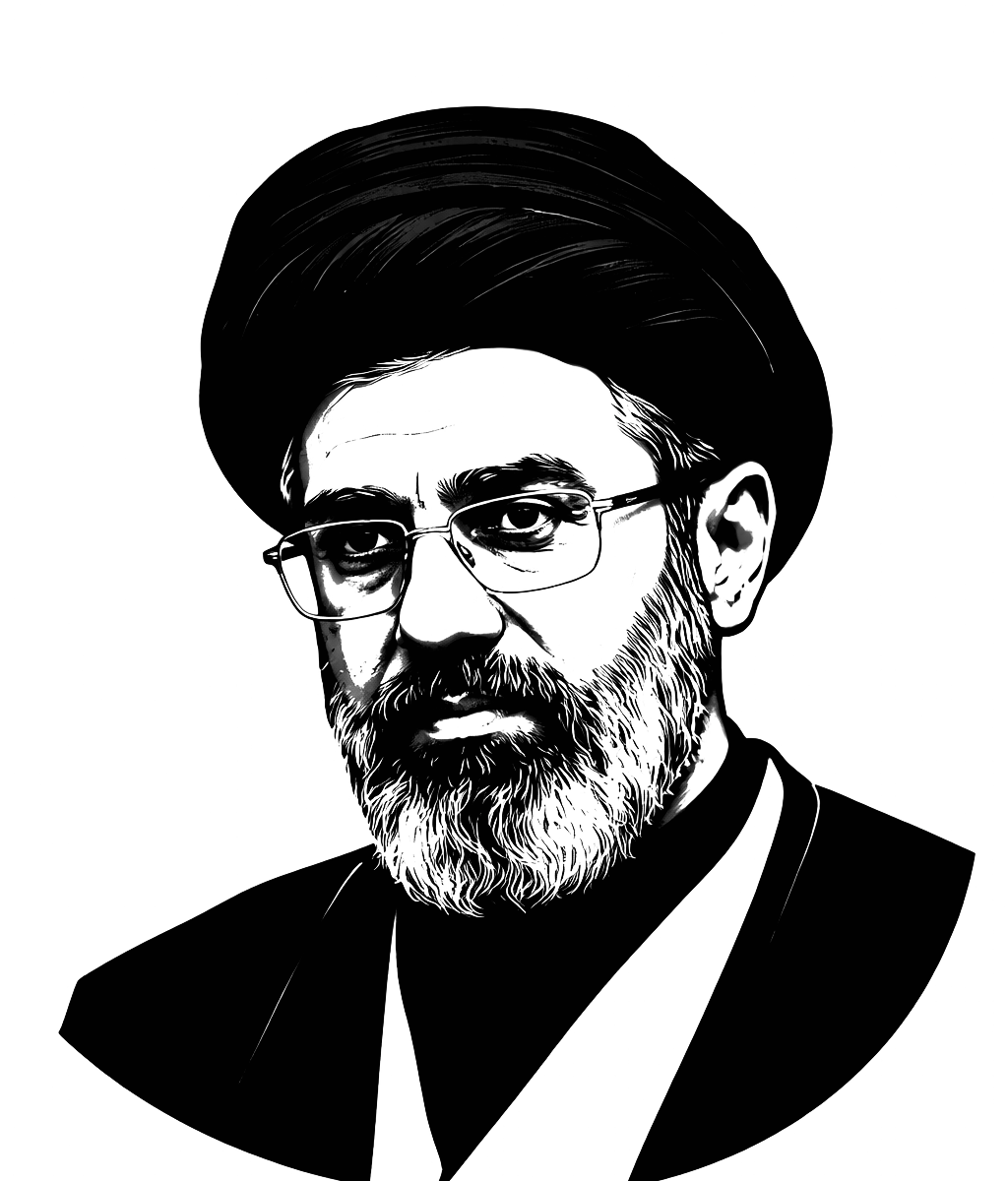
Mojtaba Khamenei
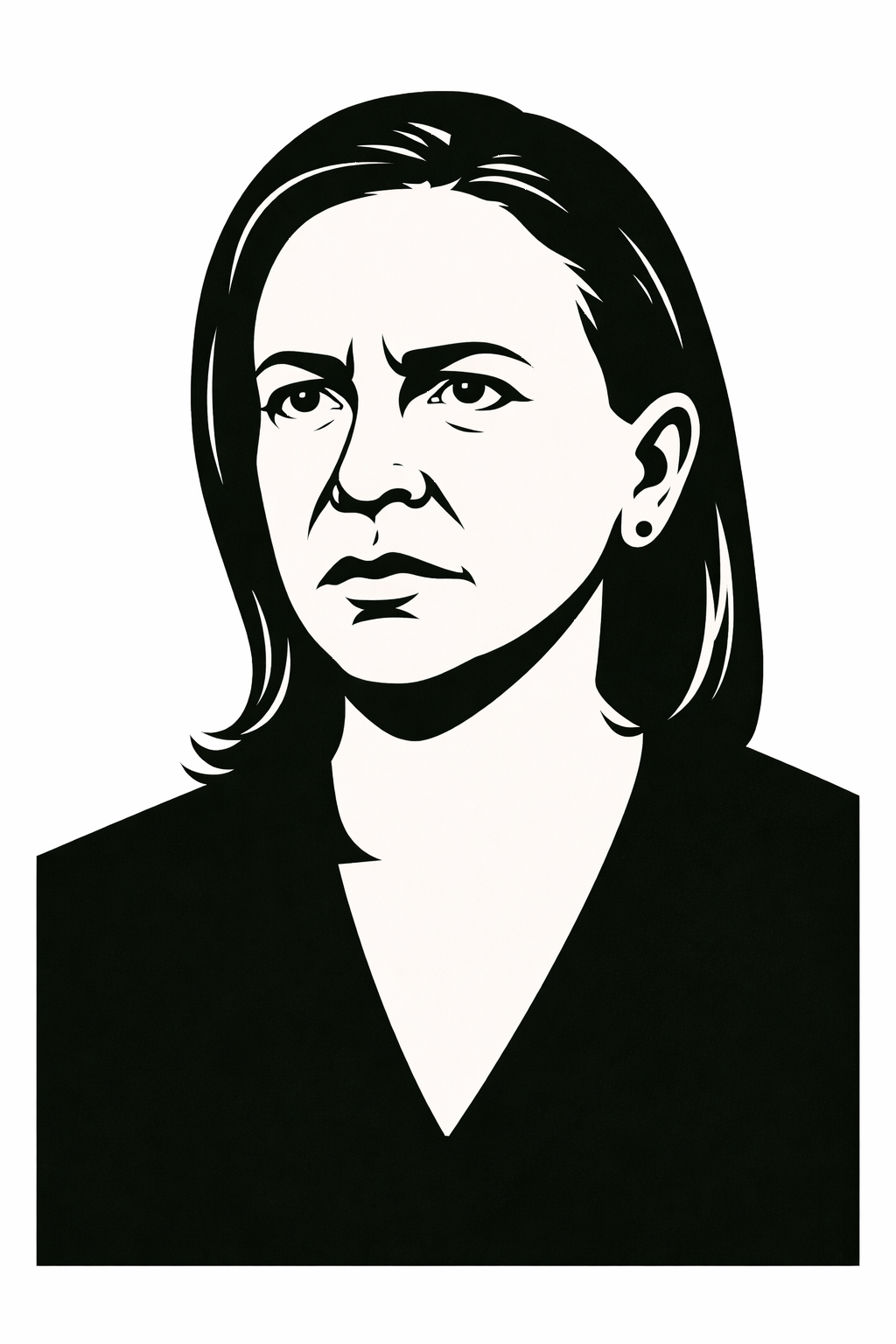
María Corina Machado
Herzi Halevi
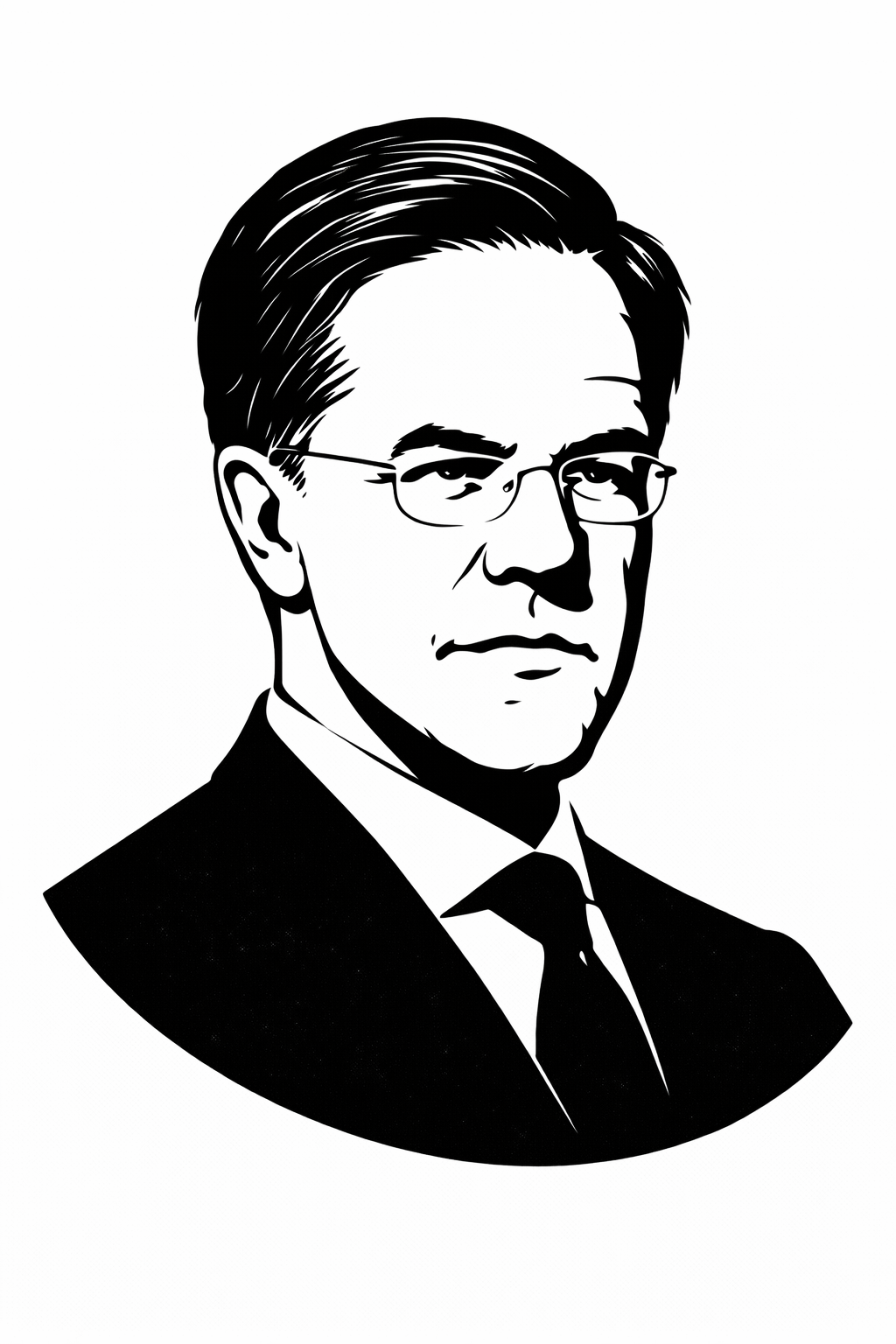
Mark Rutte
Oleksii Reznikov
Mohammed Deif
Articles

The text you provided is quite short and does not contain any specific content that requires translation. However, if you provide a longer passage with more details, I can help you translate it accurately while maintaining technical accuracy, preserving the original meaning, and keeping proper nouns or technical terms in their original form when appropriate. Please provide the full text for which you need the translation.
Почему стратегический доступ достаточен — и почему продолжается риторика владения


Event Timeline
Collapse of the Safavid Order and Afghan Conquest of Isfahan
In 1722, Afghan forces from Kandahar captured Isfahan, ending effective Safavid rule and opening a prolonged phase of political fragmentation across Iran.


Collapse of the Soviet Union – The End of an Empire
A red flag lowered, a new world born. The collapse of the Soviet Union ended the Cold War and reshaped the global order.
Budapest Memorandum – Ukraine’s Nuclear Gamble
In 1994, Ukraine surrendered the world’s third-largest nuclear arsenal in exchange for security assurances. The Budapest Memorandum was a milestone in post-Soviet diplomacy – and later, a haunting example of broken promises.


Battle for Pokrovsk
Pokrovsk has become the central pressure point on the eastern front. Russian forces apply sustained pressure on the city’s flanks under foggy, drone-limiting conditions, while Ukraine holds a shrinking but functional logistics hub essential to the defence of Donetsk.

British Occupation of Hong Kong Island
British forces landed on Hong Kong Island and claimed it in the name of the Crown following the First Opium War.

The Maidan Revolution – Dignity and Defiance
The Maidan uprising — known in Ukraine as the **Revolution of Dignity** — erupted when President Yanukovych abandoned an EU agreement under Kremlin pressure. What began as a protest for European integration became a national revolt against corruption, repression, and foreign domination.

The Orange Revolution – Ukraine’s Peaceful Uprising
In late 2004, tens of thousands of Ukrainians filled the streets of Kyiv to protest a rigged presidential election. The Orange Revolution marked a turning point in Ukraine’s democratic identity and exposed the geopolitical tug-of-war between Russia and the West.

Warsaw Pact Formation – The Eastern Bloc Unites
In May 1955, the Soviet Union and seven Eastern European states signed a mutual defense treaty in Warsaw, creating the Warsaw Pact. It solidified the division of Europe and institutionalized the Soviet bloc in direct opposition to NATO.


