
Washington, D.C.
Intro
Established as a neutral federal district, Washington, D.C. concentrates executive, legislative, and judicial authority. It functions as the primary interface between U.S. power and the international system.
Background
Founded in the late 18th century, Washington was designed as a purpose-built capital. Over time it evolved into a global diplomatic hub, hosting embassies, international organizations, and policy institutions alongside federal power.
History
Establishment of the federal district
Gradual institutional consolidation
Expansion of federal bureaucracy and diplomacy
Central role in global power competition
Unipolar influence and alliance coordination
Polarization and governance stress tests
Present Day
Washington hosts the U.S. federal government, foreign embassies, international financial institutions, and policy think tanks. Urban governance operates under federal oversight, with ongoing debates over representation and autonomy.
Future Outlook
Washington will remain a central node of global political coordination. Its effectiveness depends on institutional legitimacy, alliance management, and domestic political stability.
Map
Articles

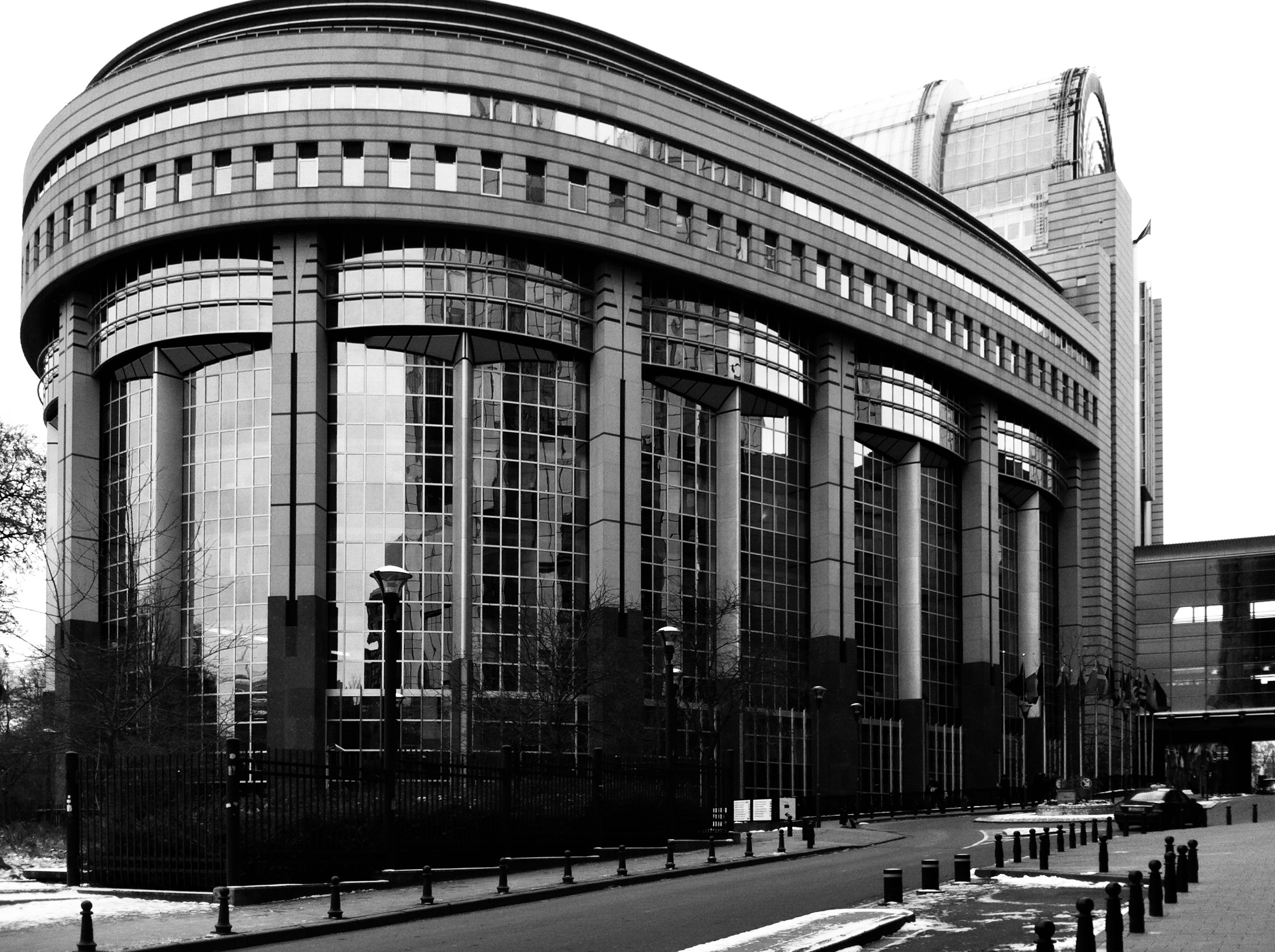
Waarom je deze week moet stemmen bij de verkiezingen voor het Europees Parlement
Europarlementariërs vertegenwoordigen inwoners van EU-lidstaten en adresseren belangrijke onderwerpen die te maken hebben met jouw dagelijks leven. Lees meer hoe en waarom.
Event Timeline

Polish-Lithuanian Rule over Ukraine
Before Moscow, there was Lublin. The Polish–Lithuanian Commonwealth laid the groundwork for Western Ukrainian identity — and for centuries of contested rule.


