
Portugal
Intro
Lisbon manages a service-oriented, export-driven economy leveraging EU recovery funds for innovation. Hydropower, wind, and solar provide over 60% of electricity. Political stability underpins steady growth.
Background
Once a global empire, Portugal’s 20th century saw dictatorship, decolonization, and democratic transition in 1974. EU membership in 1986 accelerated modernization. Fiscal discipline post-2011 bailout restored investor confidence. Renewables and tech startups now define its future direction.
History
- 1974: Carnation Revolution ends dictatorship – 1986: Joins the European Community – 2011: Financial bailout and austerity reforms – 2020s: Energy independence and digital transformation
Present Day
In 2025, Portugal achieves record renewable output, hosts EU green finance forums, and strengthens transatlantic ties. Tourism rebounds while inflation pressures housing and wages.
Future Outlook
Portugal’s renewable advantage and digitalization efforts position it as a sustainable EU growth model. The country will deepen Lusophone partnerships and expand its Atlantic infrastructure role.
Map
Topics
Persons
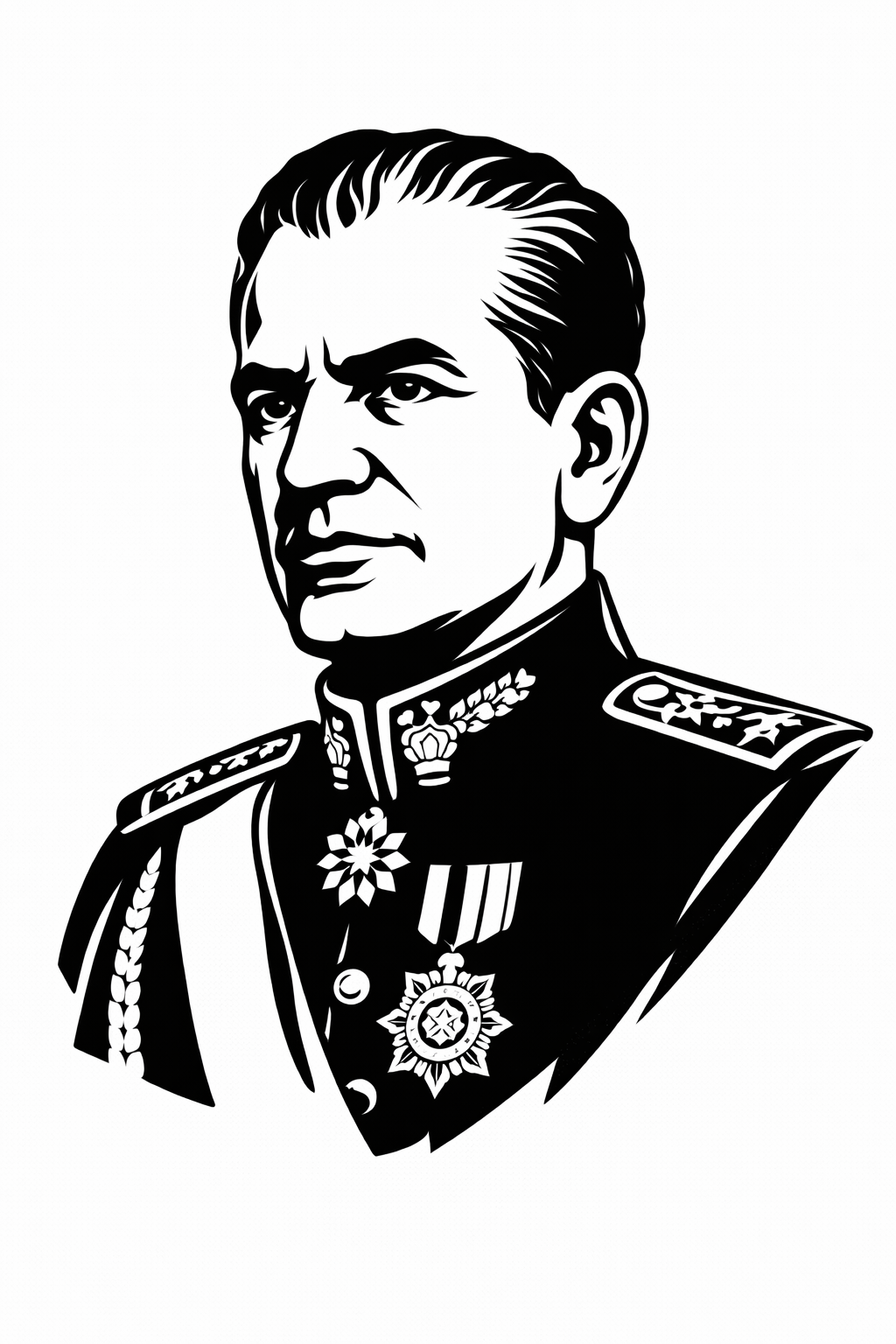
Mohammad Reza Shah Pahlavi
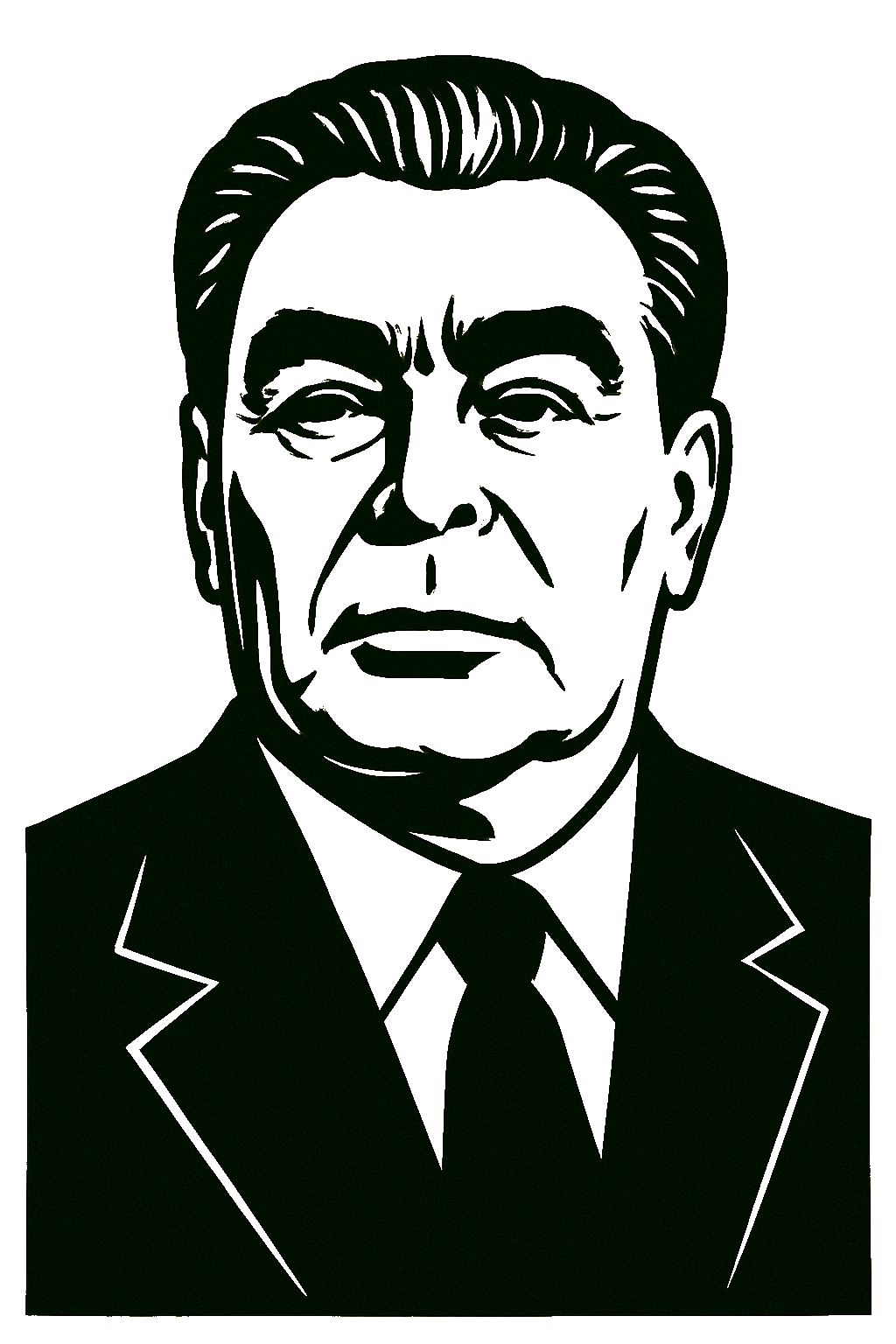
Leonid Brezhnev
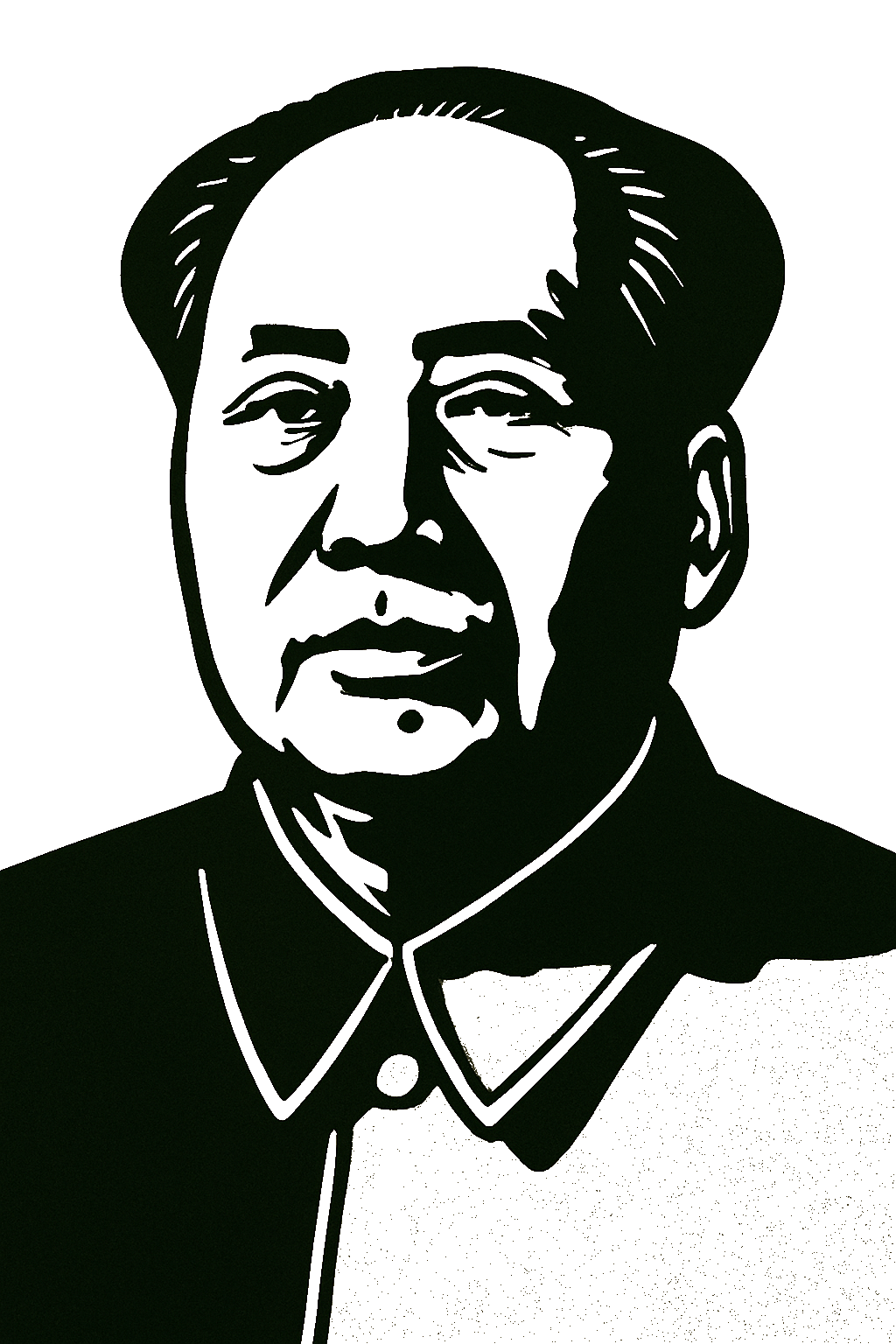
Mao Zedong
Martin Heidegger
Adolf Hitler
Oswald Spengler
Winston Churchill
Neville Chamberlain
Karl Haushofer
Locations
Mahshahr
Maine
Maryland
Massachusetts
Middle East
Monaco
Morocco
Mount Damavand
Mount Dena
Points of Interest
No results found.
Articles

Imperialistische doctrines: Hoe Rusland grenzen, identiteit en vertraging gebruikt
Rusland hoeft een land niet te bezetten om het te controleren. Het hoeft alleen een oplossing te voorkomen. Van Transnistrië tot de Krim, van verhalende oorlogsvoering tot financiële systemen, Empire Logic laat zien hoe moderne macht in handen wordt gehouden – niet door verovering, maar door structurele ontkenning.

Terug naar Babel: taal, identiteit en erbij horen
In heel Europa zijn taalrechten bij wet gegarandeerd. Maar hoe zit het in het leven? Van onderwijs tot burgerschap kan de taal die je spreekt nog steeds bepalen of je erbij hoort. Dit artikel onderzoekt hoe pluralisme wordt beloofd – en hoe het stilletjes wordt gefilterd, gerangschikt of ontkend.


Hoe Donald Trump de Nobelprijs voor de Vrede Kan Krijgen
Donald Trump, de dealmaker, de verstoorder – kan hij nog steeds een man van vrede worden? Wat is daarvoor nodig? Nederigheid!



Controleren is goed, vertrouwen is beter!
Het is bijna 2025. Er is maatschappelijke onrust. Een migratiecrisis? Buitenlandse invloeden? Een terugtrekkende beweging naar het nationale vindt plaats. Grenscontroles worden weer ingezet. Men wil weer “in control” zijn. Gaat dit het vertrouwen terugbrengen?
Event Timeline
Israeli Strikes in Tehran Killing Larijani
On the night of 16-17 March 2026, Israeli airstrikes in the Tehran area killed Ali Larijani (Secretary of the Supreme National Security Council and de facto leader) and Gholamreza Soleimani (commander of Iran’s internal Basij militia).

Nationalisation of Iranian Oil and the Mossadegh Crisis
From 1951 to 1953, Iran nationalized its oil industry under Prime Minister Mossadegh, leading to an international crisis and the eventual 1953 coup.

Iran Hostage Crisis
In 1979, Iranian students seized the U.S. Embassy in Tehran, holding 52 Americans hostage for 444 days and transforming U.S.-Iran relations.


Taiping Heavenly Kingdom (Taiping Rebellion)
The Taiping Heavenly Kingdom was a large-scale civil war and rival state that challenged Qing rule, resulting in one of the deadliest conflicts in human history and severely weakening imperial authority.
Proclamation of the People’s Republic of China
On 1 October 1949, Mao Zedong proclaimed the People’s Republic of China in Beijing, marking the establishment of Communist rule on the mainland after civil war victory.
First Five-Year Plan and Socialist Transformation
Between 1953 and 1957, China implemented its First Five-Year Plan, restructuring land, industry, and finance along socialist lines and establishing centralized economic planning.
Great Leap Forward
The Great Leap Forward was a nationwide campaign aimed at rapidly industrializing China through mass mobilization and rural collectivization, resulting in severe economic disruption and widespread famine.
Xinhai Revolution
The Xinhai Revolution overthrew the Qing Dynasty and ended over two millennia of imperial rule, leading to the establishment of the Republic of China.


