
Portugal
Intro
Lisbon manages a service-oriented, export-driven economy leveraging EU recovery funds for innovation. Hydropower, wind, and solar provide over 60% of electricity. Political stability underpins steady growth.
Background
Once a global empire, Portugal’s 20th century saw dictatorship, decolonization, and democratic transition in 1974. EU membership in 1986 accelerated modernization. Fiscal discipline post-2011 bailout restored investor confidence. Renewables and tech startups now define its future direction.
History
- 1974: Carnation Revolution ends dictatorship – 1986: Joins the European Community – 2011: Financial bailout and austerity reforms – 2020s: Energy independence and digital transformation
Present Day
In 2025, Portugal achieves record renewable output, hosts EU green finance forums, and strengthens transatlantic ties. Tourism rebounds while inflation pressures housing and wages.
Future Outlook
Portugal’s renewable advantage and digitalization efforts position it as a sustainable EU growth model. The country will deepen Lusophone partnerships and expand its Atlantic infrastructure role.
Map
Topics
Persons
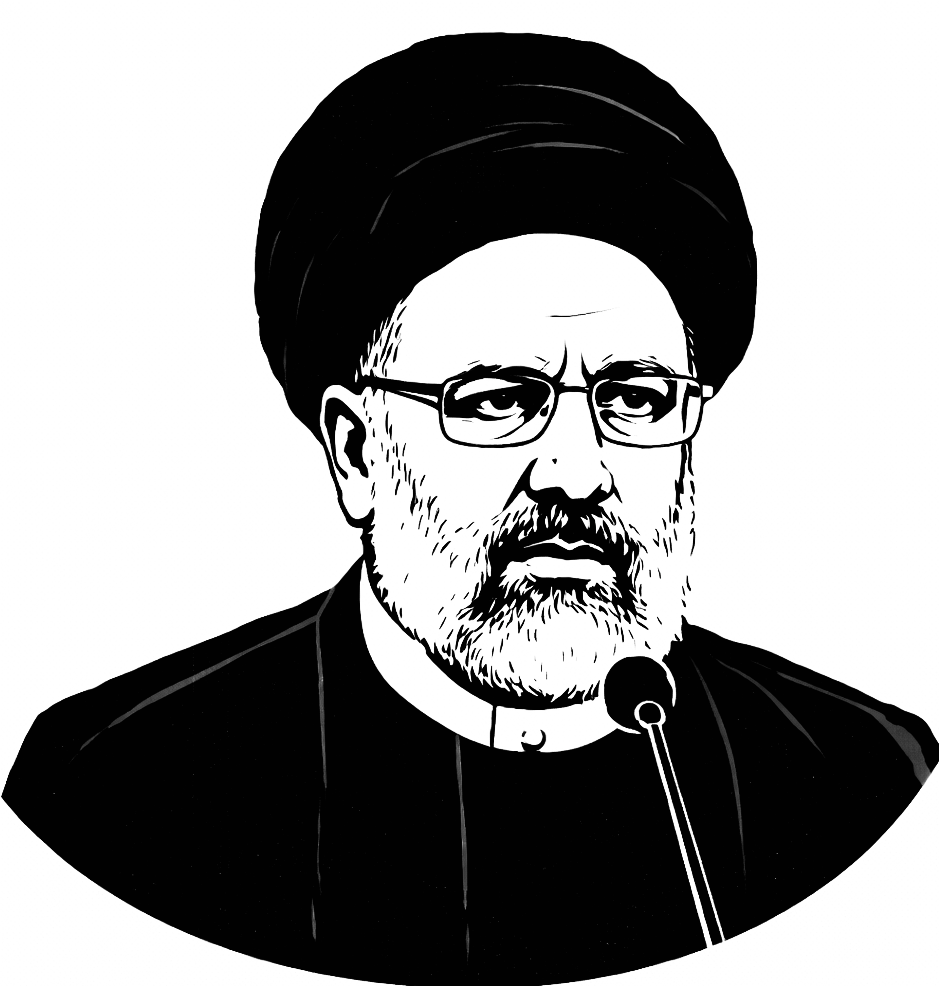
Ebrahim Raisi
Gadi Eisenkot
Benny Gantz
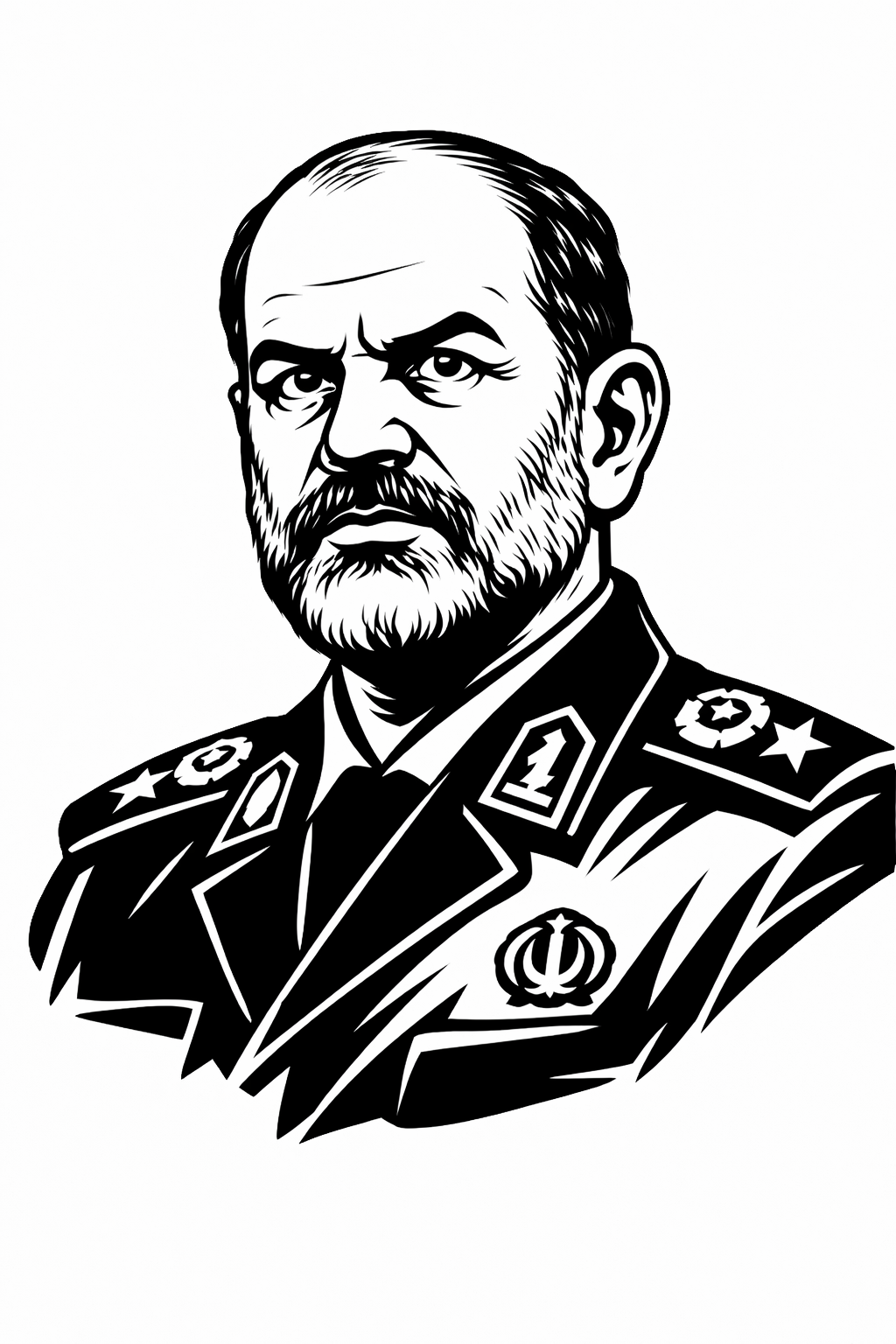
Ahmad Vahidi
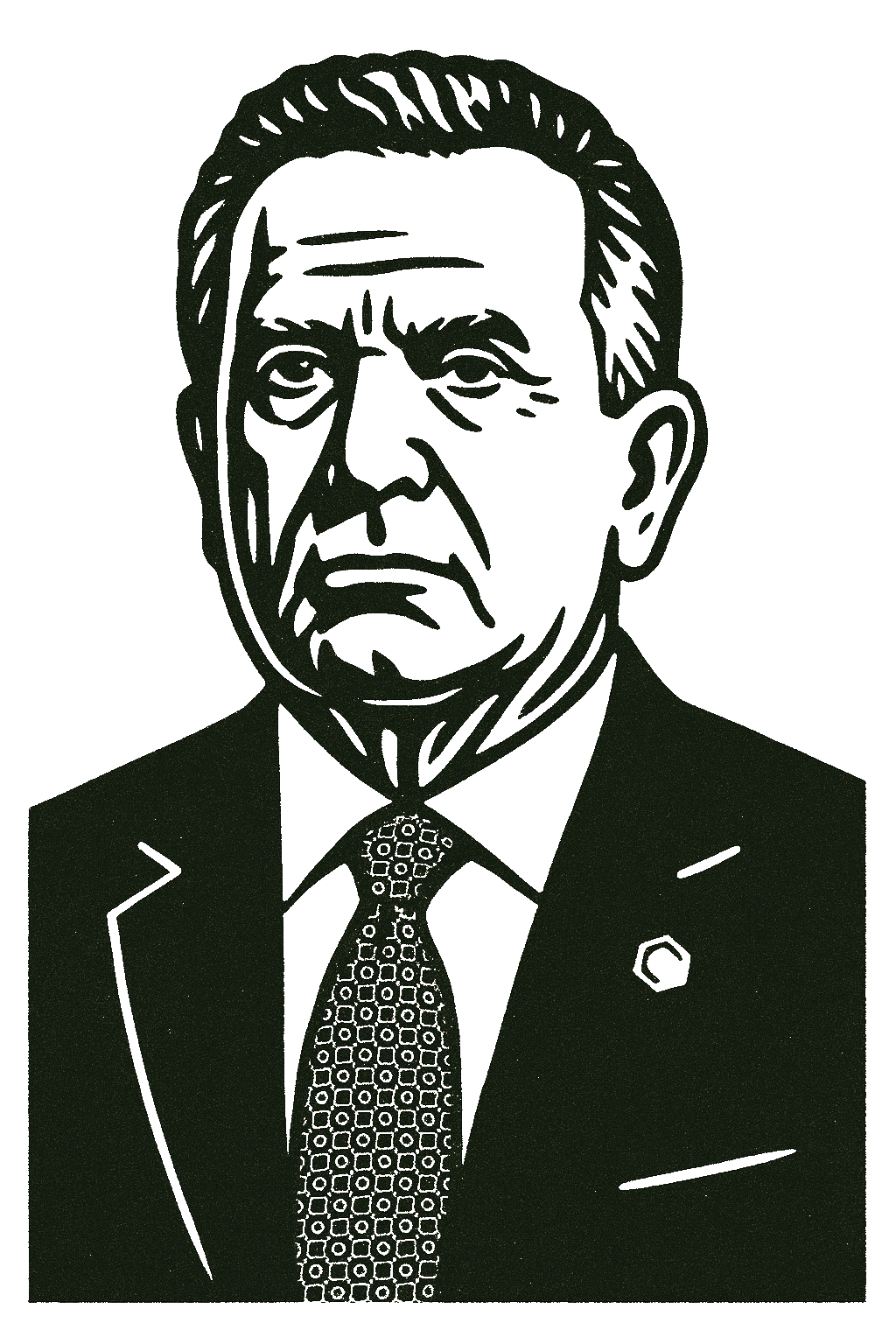
Steve Witkoff
Ismail Qaani
Qasem Soleimani
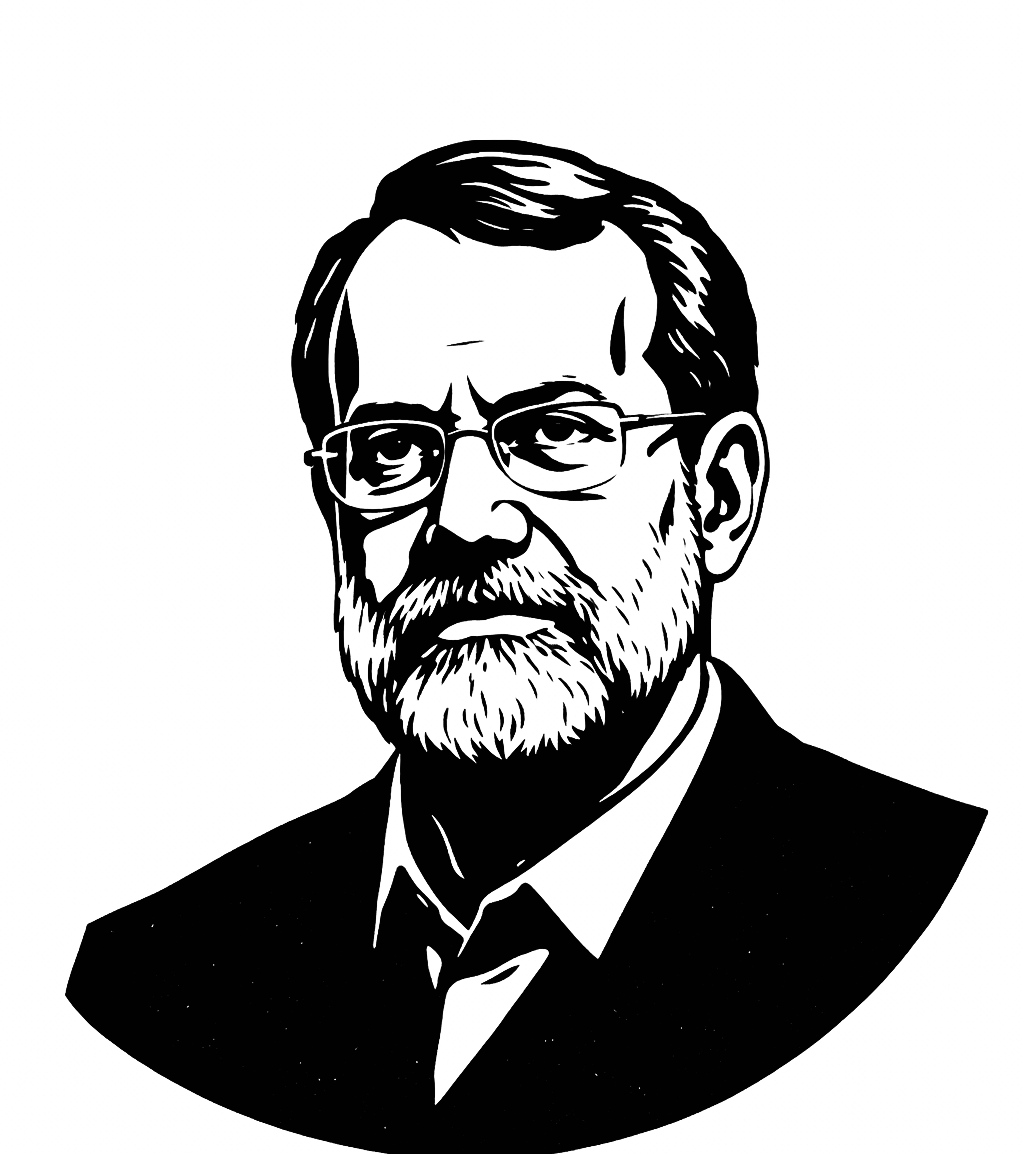
Ali Larijani
Israel Katz
Locations
Italy
Central America
Myanmar
South Korea
Guangxi Zhuang Autonomous Region
Colombia
Spain
Donetsk Oblast
Iraq
Sudan
Points of Interest
No results found.
Articles

Imperialistische doctrines: Hoe Rusland grenzen, identiteit en vertraging gebruikt
Rusland hoeft een land niet te bezetten om het te controleren. Het hoeft alleen een oplossing te voorkomen. Van Transnistrië tot de Krim, van verhalende oorlogsvoering tot financiële systemen, Empire Logic laat zien hoe moderne macht in handen wordt gehouden – niet door verovering, maar door structurele ontkenning.

Terug naar Babel: taal, identiteit en erbij horen
In heel Europa zijn taalrechten bij wet gegarandeerd. Maar hoe zit het in het leven? Van onderwijs tot burgerschap kan de taal die je spreekt nog steeds bepalen of je erbij hoort. Dit artikel onderzoekt hoe pluralisme wordt beloofd – en hoe het stilletjes wordt gefilterd, gerangschikt of ontkend.


Hoe Donald Trump de Nobelprijs voor de Vrede Kan Krijgen
Donald Trump, de dealmaker, de verstoorder – kan hij nog steeds een man van vrede worden? Wat is daarvoor nodig? Nederigheid!


Controleren is goed, vertrouwen is beter!
Het is bijna 2025. Er is maatschappelijke onrust. Een migratiecrisis? Buitenlandse invloeden? Een terugtrekkende beweging naar het nationale vindt plaats. Grenscontroles worden weer ingezet. Men wil weer “in control” zijn. Gaat dit het vertrouwen terugbrengen?
Event Timeline
China Launches the Belt and Road Initiative
In 2013, China launched the Belt and Road Initiative (BRI), a long-term strategy to expand infrastructure, trade, and connectivity across Eurasia, Africa, and beyond.
China-United States Trade War (Trump I)
In 2018, trade tensions between China and the United States escalated into a sustained tariff and technology conflict, marking a turning point in bilateral economic relations.

Hong Kong Protests
In 2019, mass protests erupted in Hong Kong in response to proposed extradition legislation, evolving into a broader movement centered on civil liberties, autonomy, and governance.
China’s Zero-COVID Policy
From 2020 to 2022, China implemented a Zero-COVID policy aimed at eliminating domestic transmission through lockdowns, mass testing, travel controls, and centralized quarantine.
China’s 20th Party Congress
In October 2022, China held its 20th Party Congress, confirming leadership continuity and setting policy priorities for the coming years.
Trump Meets Xi Jinping
U.S. President Donald Trump meets Chinese leader Xi Jinping on the sidelines of an international summit, marking a high-level diplomatic engagement amid renewed economic and strategic tensions.
China Responds to Dutch Action on Nexperia
China responds diplomatically to the Dutch intervention in Nexperia, warning of consequences for bilateral economic and technological relations.
The Netherlands Intervenes in Nexperia Ownership
The Dutch government intervenes in the ownership and governance of semiconductor producer Nexperia, citing national security and strategic supply-chain concerns.

Boxer Rebellion
The Boxer Rebellion was a violent anti-foreign and anti-Christian uprising that drew direct military intervention by multiple foreign powers and further undermined Qing sovereignty.
Qin Unification of the Warring States
The Qin state completed the military unification of the Warring States, ending centuries of fragmentation and creating the first centralized imperial state in Chinese history.


