
Lake Urmia Basin
Intro
Lake Urmia is a hypersaline lake in northwestern Iran, once the largest lake in the Middle East and sixth largest saltwater lake in the world. Since the 1970s it has lost over 80 percent of its surface area due to dam construction on its tributaries, intensive agriculture, and drought. Its collapse has triggered dust storms and soil salinisation across the region.
Background
History
The Lake Urmia basin has been settled since antiquity. The lake, referred to in ancient Assyrian texts and by classical geographers, was a landmark on the routes between Mesopotamia and the Iranian plateau. The region’s mixed ecology of lake, wetland, and mountain supported a diverse population and productive agriculture fed by rivers flowing from the surrounding mountains. In the early twentieth century the basin attracted Western missionaries who established schools and hospitals serving Assyrian, Armenian, and Kurdish communities around the lake’s shores.
Present Day
Lake Urmia itself has lost over 80 percent of its surface area since the 1970s, shrinking from approximately 5,200 square kilometres to under 1,000. The primary causes are dam construction on the eleven rivers feeding the lake, which has reduced inflows by over 40 percent, and intensive irrigation that extracts water before it reaches the lake. The exposed lake bed is a source of toxic salt and dust affecting millions of people in the northwest. The Iranian government has launched restoration programmes including water transfers and agricultural water restrictions, with limited success.
Future Outlook
Map
Articles

Imperialistische doctrines: Hoe Rusland grenzen, identiteit en vertraging gebruikt
Rusland hoeft een land niet te bezetten om het te controleren. Het hoeft alleen een oplossing te voorkomen. Van Transnistrië tot de Krim, van verhalende oorlogsvoering tot financiële systemen, Empire Logic laat zien hoe moderne macht in handen wordt gehouden – niet door verovering, maar door structurele ontkenning.

Terug naar Babel: taal, identiteit en erbij horen
In heel Europa zijn taalrechten bij wet gegarandeerd. Maar hoe zit het in het leven? Van onderwijs tot burgerschap kan de taal die je spreekt nog steeds bepalen of je erbij hoort. Dit artikel onderzoekt hoe pluralisme wordt beloofd – en hoe het stilletjes wordt gefilterd, gerangschikt of ontkend.


Hoe Donald Trump de Nobelprijs voor de Vrede Kan Krijgen
Donald Trump, de dealmaker, de verstoorder – kan hij nog steeds een man van vrede worden? Wat is daarvoor nodig? Nederigheid!

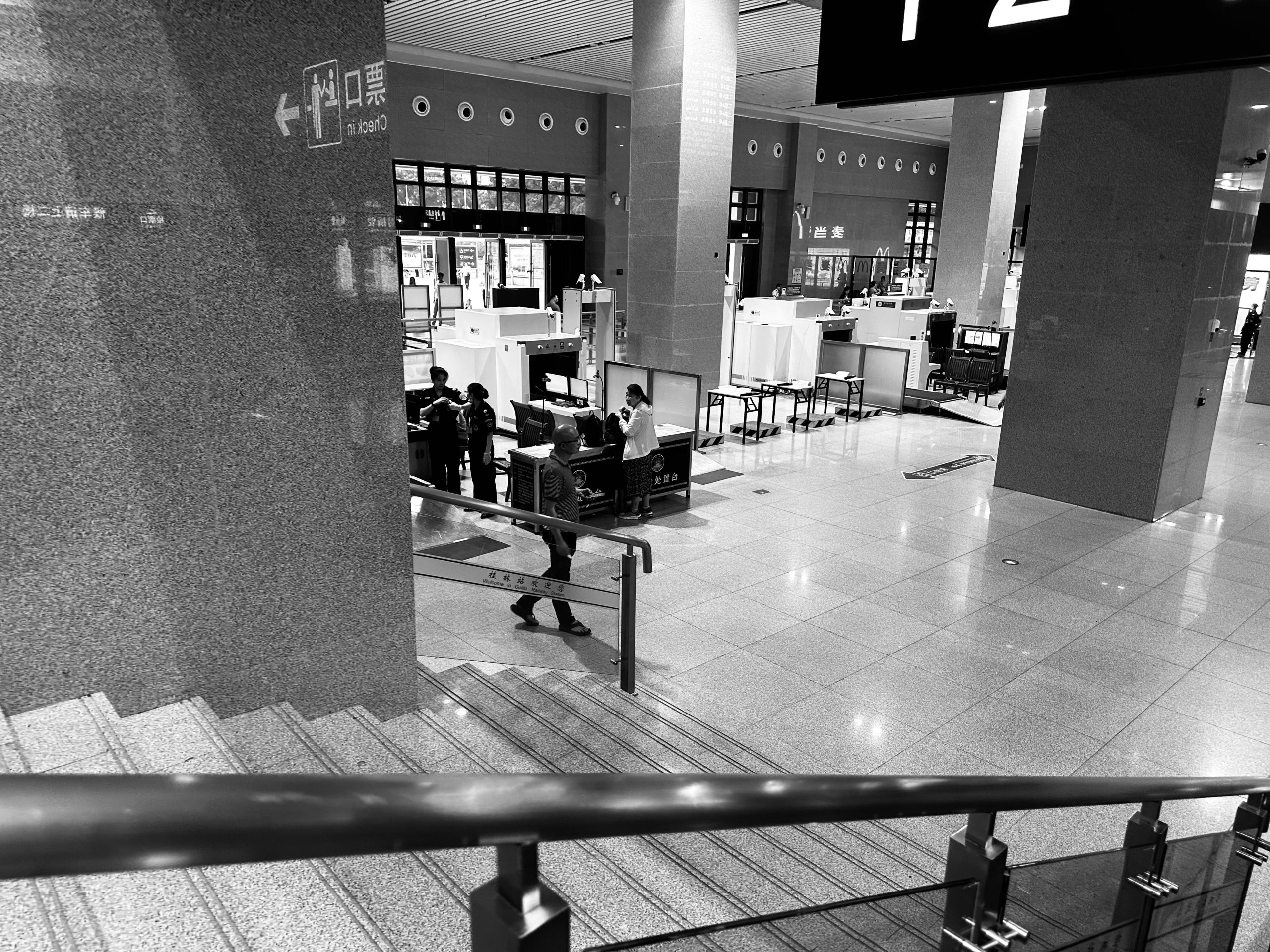
Controleren is goed, vertrouwen is beter!
Het is bijna 2025. Er is maatschappelijke onrust. Een migratiecrisis? Buitenlandse invloeden? Een terugtrekkende beweging naar het nationale vindt plaats. Grenscontroles worden weer ingezet. Men wil weer “in control” zijn. Gaat dit het vertrouwen terugbrengen?
Event Timeline

Polish-Lithuanian Rule over Ukraine
Before Moscow, there was Lublin. The Polish–Lithuanian Commonwealth laid the groundwork for Western Ukrainian identity — and for centuries of contested rule.


