
Dasht-e Lut
Intro
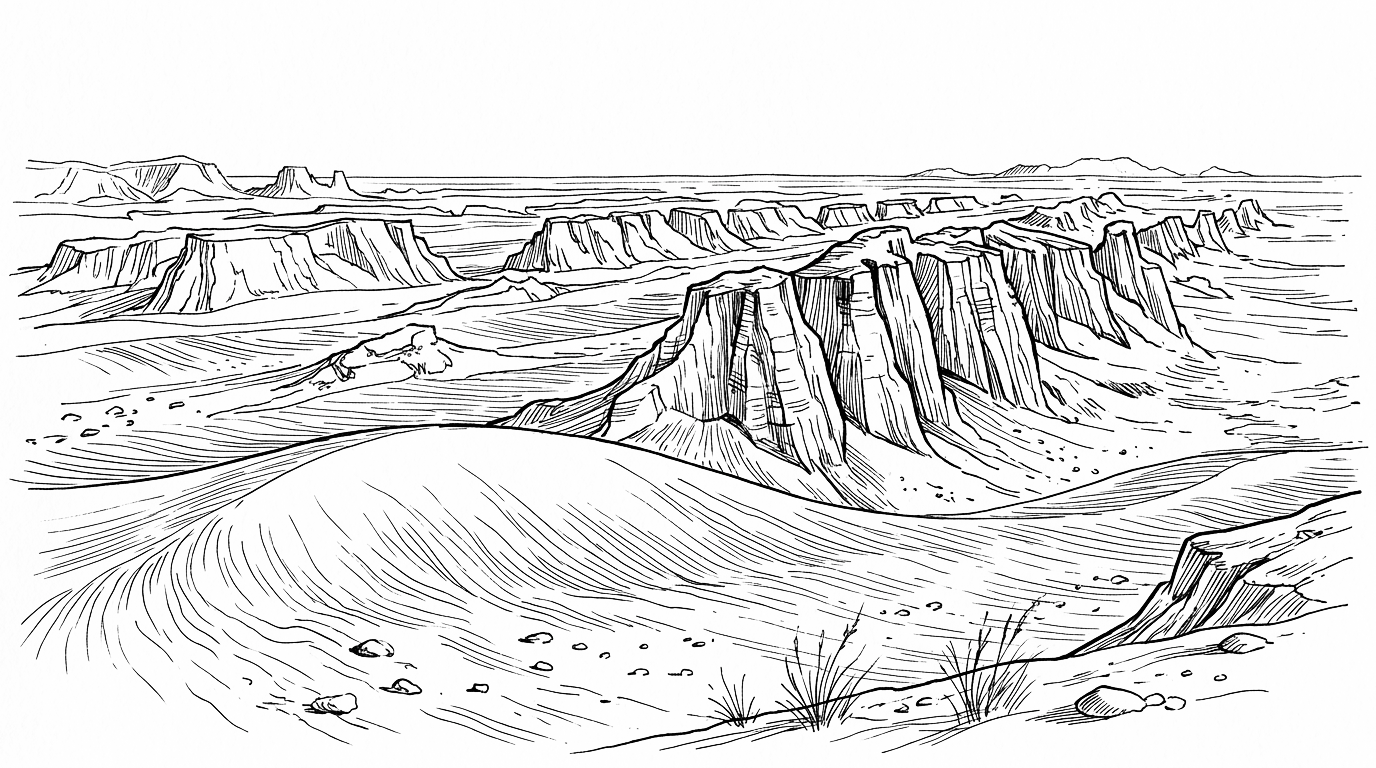
Dasht-e Lut is a large salt flat in southeastern Iran, recognised as a UNESCO World Heritage Site. It is one of the hottest places on Earth with recorded surface temperatures exceeding 70°C. The desert covers approximately 51,800 square kilometres across Kerman and South Khorasan provinces.
Background
History
The Dasht-e Lut, known in Arabic as the Empty Quarter of Iran, has been effectively uninhabited throughout recorded history. Its extreme heat – surface temperatures have been measured at over 70 degrees Celsius in summer, among the highest ever recorded on Earth – made permanent settlement impossible. Ancient trade routes bypassed it entirely. The geological formations of the Lut, including the massive yardang fields known as the Kaluts, were shaped by millions of years of wind erosion acting on soft sedimentary rock, creating some of the most dramatic desert landforms on the planet.
Present Day
The Dasht-e Lut is a UNESCO World Heritage Site recognised for its outstanding geological and geomorphological values. It remains essentially uninhabited. Satellite thermal imaging has identified it as one of the hottest surfaces on Earth. Its extreme environment makes it useful for remote sensing calibration and astrobiological research into life at temperature extremes. The surrounding provinces of Kerman and Sistan-Baluchestan are affected by dust storms originating in the Lut’s dried salt flats.
Future Outlook
Map
Articles
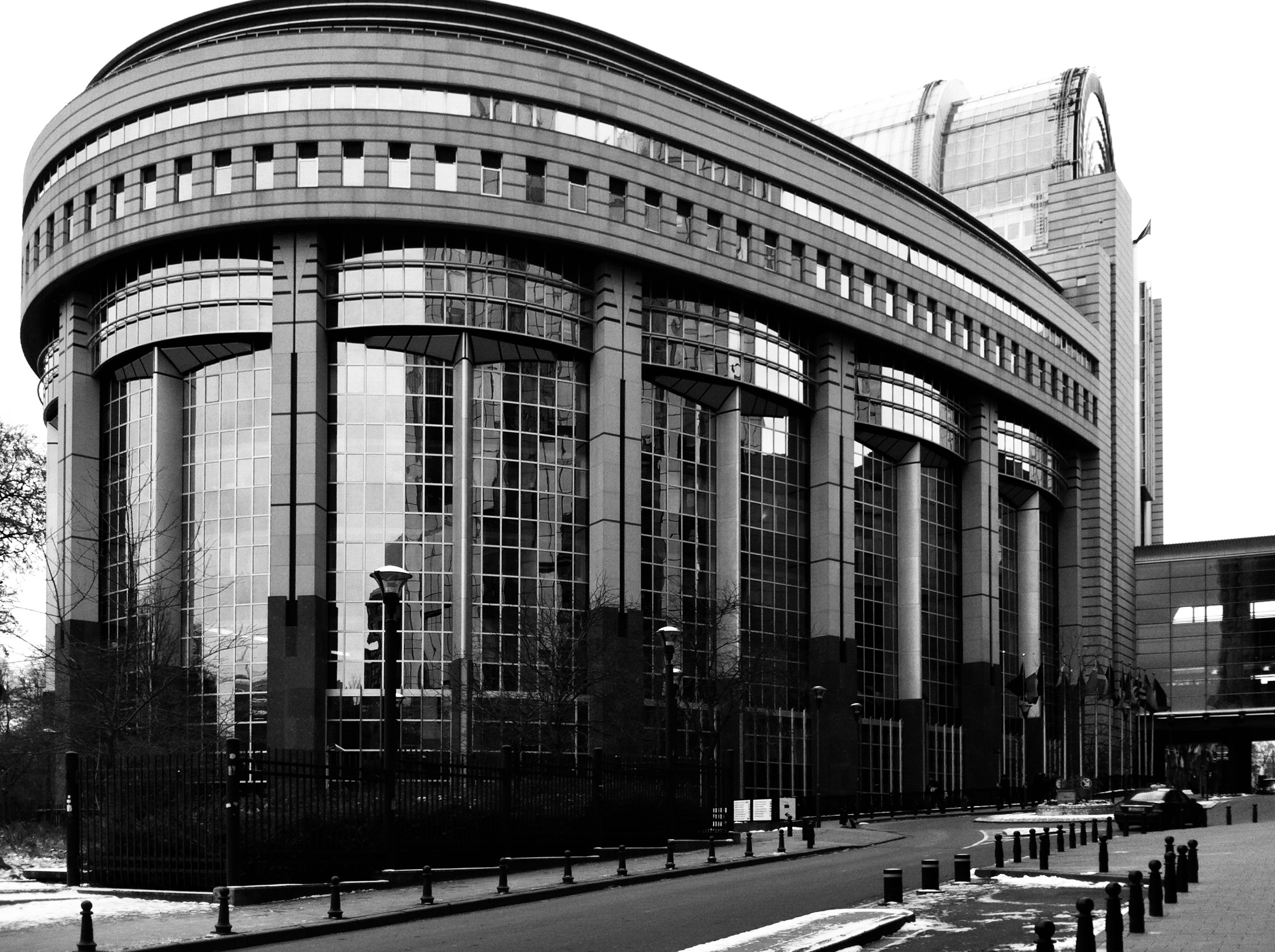
Waarom je deze week moet stemmen bij de verkiezingen voor het Europees Parlement
Europarlementariërs vertegenwoordigen inwoners van EU-lidstaten en adresseren belangrijke onderwerpen die te maken hebben met jouw dagelijks leven. Lees meer hoe en waarom.
Event Timeline
China Launches the Belt and Road Initiative
In 2013, China launched the Belt and Road Initiative (BRI), a long-term strategy to expand infrastructure, trade, and connectivity across Eurasia, Africa, and beyond.
China-United States Trade War (Trump I)
In 2018, trade tensions between China and the United States escalated into a sustained tariff and technology conflict, marking a turning point in bilateral economic relations.

Hong Kong Protests
In 2019, mass protests erupted in Hong Kong in response to proposed extradition legislation, evolving into a broader movement centered on civil liberties, autonomy, and governance.
China’s Zero-COVID Policy
From 2020 to 2022, China implemented a Zero-COVID policy aimed at eliminating domestic transmission through lockdowns, mass testing, travel controls, and centralized quarantine.
China’s 20th Party Congress
In October 2022, China held its 20th Party Congress, confirming leadership continuity and setting policy priorities for the coming years.
Trump Meets Xi Jinping
U.S. President Donald Trump meets Chinese leader Xi Jinping on the sidelines of an international summit, marking a high-level diplomatic engagement amid renewed economic and strategic tensions.
China Responds to Dutch Action on Nexperia
China responds diplomatically to the Dutch intervention in Nexperia, warning of consequences for bilateral economic and technological relations.
The Netherlands Intervenes in Nexperia Ownership
The Dutch government intervenes in the ownership and governance of semiconductor producer Nexperia, citing national security and strategic supply-chain concerns.

Boxer Rebellion
The Boxer Rebellion was a violent anti-foreign and anti-Christian uprising that drew direct military intervention by multiple foreign powers and further undermined Qing sovereignty.
Qin Unification of the Warring States
The Qin state completed the military unification of the Warring States, ending centuries of fragmentation and creating the first centralized imperial state in Chinese history.


