
Dasht-e Lut
Intro
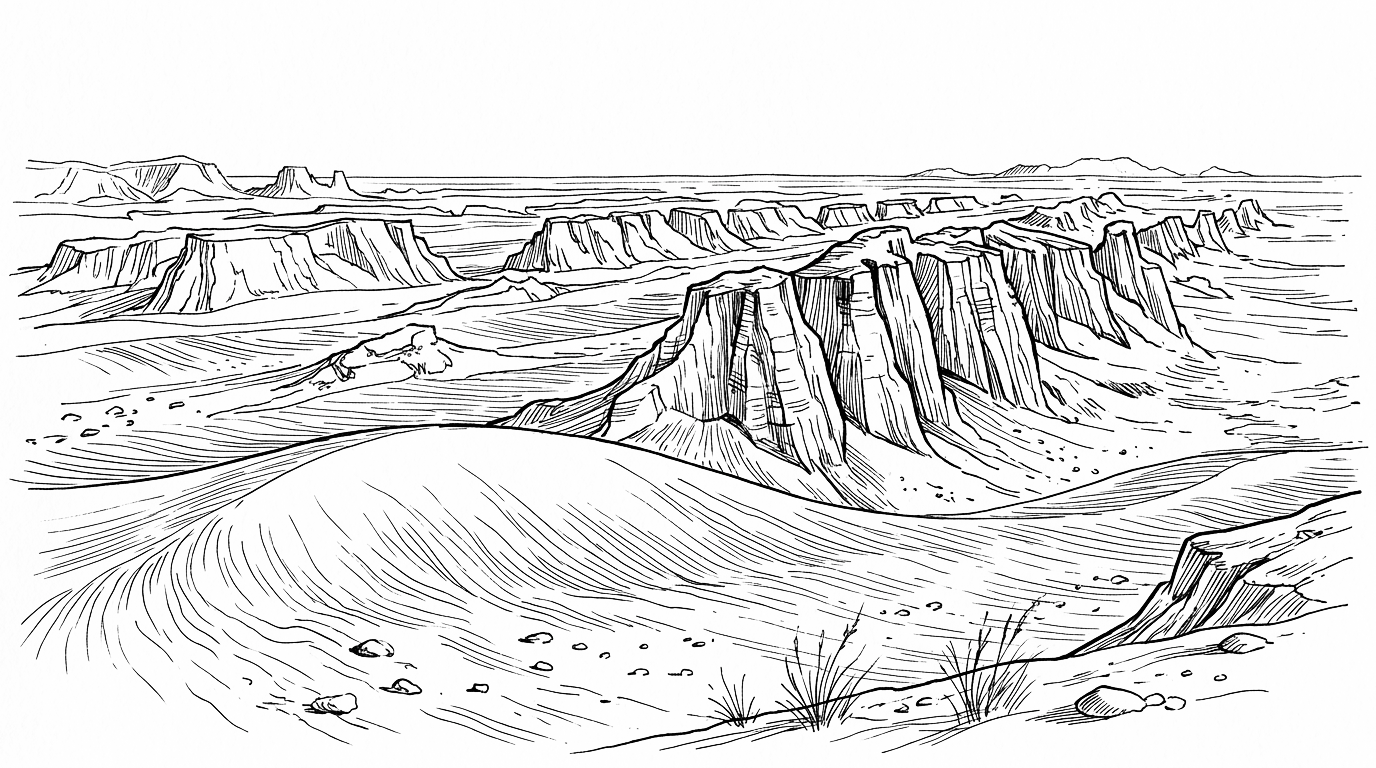
Dasht-e Lut is a large salt flat in southeastern Iran, recognised as a UNESCO World Heritage Site. It is one of the hottest places on Earth with recorded surface temperatures exceeding 70°C. The desert covers approximately 51,800 square kilometres across Kerman and South Khorasan provinces.
Background
History
The Dasht-e Lut, known in Arabic as the Empty Quarter of Iran, has been effectively uninhabited throughout recorded history. Its extreme heat – surface temperatures have been measured at over 70 degrees Celsius in summer, among the highest ever recorded on Earth – made permanent settlement impossible. Ancient trade routes bypassed it entirely. The geological formations of the Lut, including the massive yardang fields known as the Kaluts, were shaped by millions of years of wind erosion acting on soft sedimentary rock, creating some of the most dramatic desert landforms on the planet.
Present Day
The Dasht-e Lut is a UNESCO World Heritage Site recognised for its outstanding geological and geomorphological values. It remains essentially uninhabited. Satellite thermal imaging has identified it as one of the hottest surfaces on Earth. Its extreme environment makes it useful for remote sensing calibration and astrobiological research into life at temperature extremes. The surrounding provinces of Kerman and Sistan-Baluchestan are affected by dust storms originating in the Lut’s dried salt flats.
Future Outlook
Map
Articles

Imperialistische doctrines: Hoe Rusland grenzen, identiteit en vertraging gebruikt
Rusland hoeft een land niet te bezetten om het te controleren. Het hoeft alleen een oplossing te voorkomen. Van Transnistrië tot de Krim, van verhalende oorlogsvoering tot financiële systemen, Empire Logic laat zien hoe moderne macht in handen wordt gehouden – niet door verovering, maar door structurele ontkenning.

Terug naar Babel: taal, identiteit en erbij horen
In heel Europa zijn taalrechten bij wet gegarandeerd. Maar hoe zit het in het leven? Van onderwijs tot burgerschap kan de taal die je spreekt nog steeds bepalen of je erbij hoort. Dit artikel onderzoekt hoe pluralisme wordt beloofd – en hoe het stilletjes wordt gefilterd, gerangschikt of ontkend.


Hoe Donald Trump de Nobelprijs voor de Vrede Kan Krijgen
Donald Trump, de dealmaker, de verstoorder – kan hij nog steeds een man van vrede worden? Wat is daarvoor nodig? Nederigheid!

Controleren is goed, vertrouwen is beter!
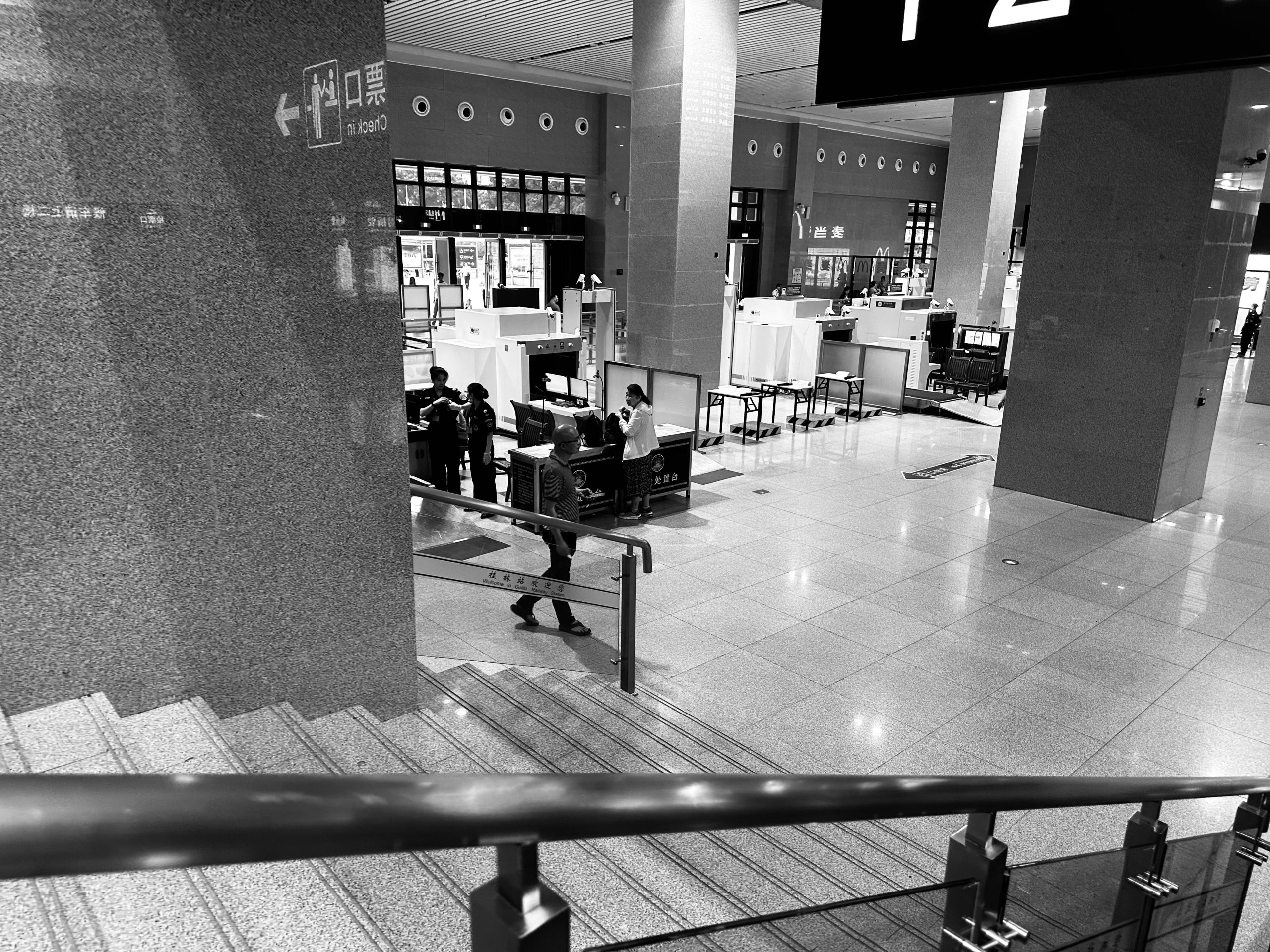
Het is bijna 2025. Er is maatschappelijke onrust. Een migratiecrisis? Buitenlandse invloeden? Een terugtrekkende beweging naar het nationale vindt plaats. Grenscontroles worden weer ingezet. Men wil weer “in control” zijn. Gaat dit het vertrouwen terugbrengen?
Event Timeline

U.S. arrests Nicolás Maduro
U.S. forces arrest Nicolás Maduro in Caracas, removing him from power through external intervention.
British Occupation of Hong Kong Island
British forces landed on Hong Kong Island and claimed it in the name of the Crown following the First Opium War.

Treaty of Nanking Signed
The Treaty of Nanking ended the First Opium War and ceded Hong Kong Island to Britain, formalizing its colonial status.
Kowloon Peninsula Ceded to Britain
The Convention of Peking ceded the southern part of the Kowloon Peninsula to Britain, extending colonial Hong Kong beyond the island.
British Lease of New Territories
Britain signed a 99-year lease with the Qing Empire, adding the New Territories and islands to colonial Hong Kong.
Kowloon Walled City Preserved
Britain leases the New Territories for 99 years but allows China to retain nominal control of the Kowloon Walled City.
Japanese Invasion of Hong Kong
Japan invades British Hong Kong, launching a bloody battle and three years of occupation.
Return to British Control
British forces retook control of Hong Kong from Japan after Japan’s surrender in World War II.


