
Iranian Central Plateau
Intro
The Iranian Central Plateau is a vast elevated arid zone covering much of central Iran, including the Dasht-e Kavir and Dasht-e Lut deserts. Provinces including Yazd, Kerman, Isfahan, and Semnan sit on this plateau. The region faces critical groundwater depletion as surface water is scarce and agricultural and urban demand has exceeded recharge rates.
Background
History
The Iranian Central Plateau is one of the oldest continuously settled landscapes in the world. Prehistoric sites including Sialk near Kashan demonstrate urban organisation dating to the sixth millennium BC. Through the Bronze Age and Iron Age successive cultures exploited the plateau’s aquifer systems and developed the qanat underground canal technology that made large-scale settlement possible in the arid interior. The Median, Achaemenid, Parthian, and Sassanid empires all drew on the plateau’s human and agricultural resources. The Islamic conquest of the seventh century brought new administrative structures but did not fundamentally alter the plateau’s settlement geography, which remained organised around water access through qanats and seasonal rivers.
Present Day
The Central Plateau today is Iran’s most water-stressed region. Aquifer depletion is occurring at rates of one to three metres per year across most of the plateau’s major basins. Land subsidence caused by groundwater extraction has been measured at 25 to 35 centimetres per year in parts of the Isfahan and Tehran plains. Cities including Isfahan, Yazd, Kerman, and Kashan face structural threats to their long-term water security. The plateau’s agricultural economy, which depends almost entirely on groundwater, is contracting in areas where wells have run dry.
Future Outlook
Map
Articles
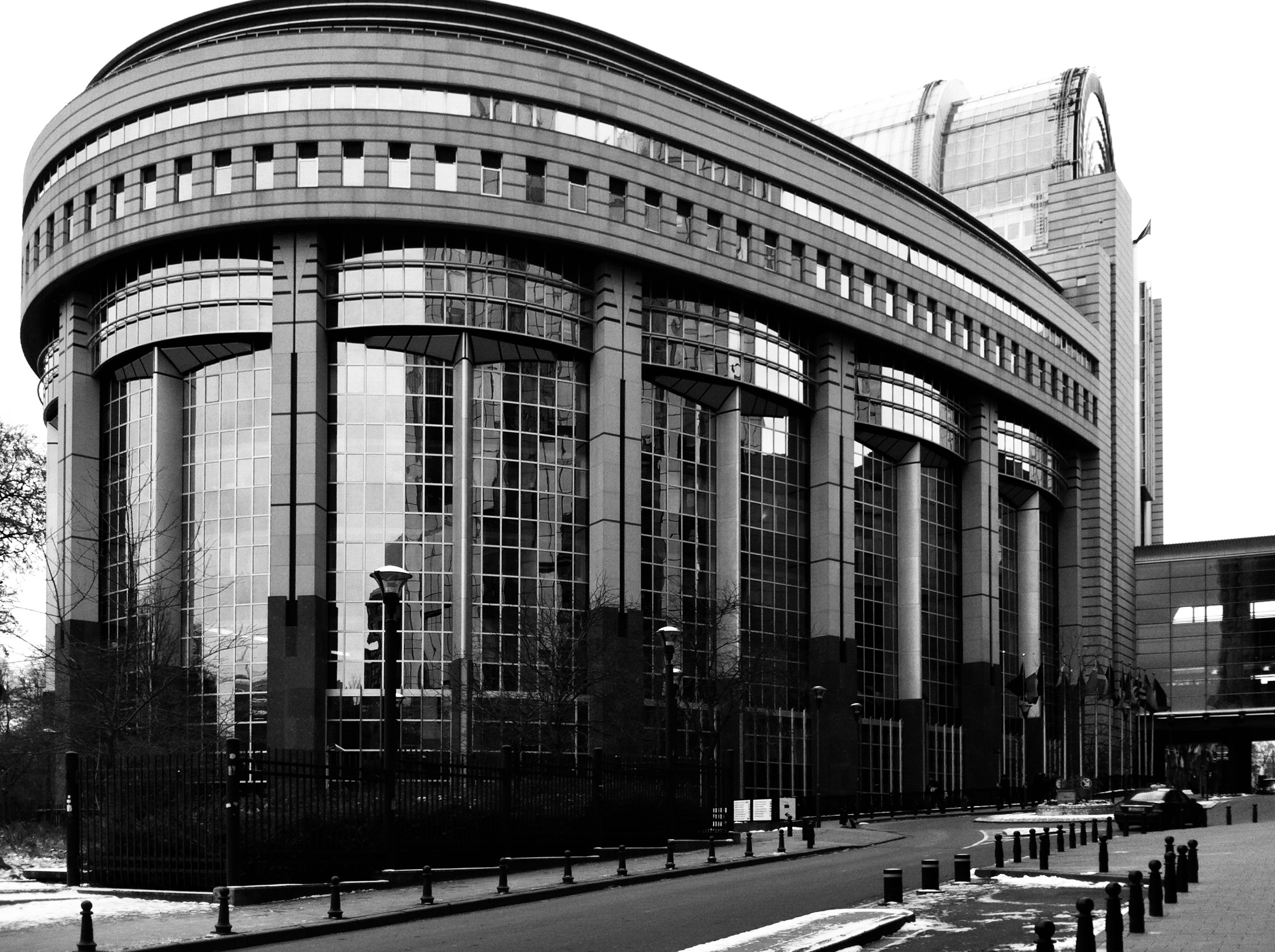
Waarom je deze week moet stemmen bij de verkiezingen voor het Europees Parlement
Europarlementariërs vertegenwoordigen inwoners van EU-lidstaten en adresseren belangrijke onderwerpen die te maken hebben met jouw dagelijks leven. Lees meer hoe en waarom.
Event Timeline

Pereyaslav Agreement with Tsarist Russia
The Pereyaslav Agreement between the Cossack Hetmanate and Tsarist Russia marked the beginning of Ukraine’s alignment with Russia, which would evolve into centuries of political, military, and cultural influence.

Union of Lublin – Polish Lithuanian Commonwealth
Before Moscow, there was Lublin. The Polish–Lithuanian Commonwealth laid the groundwork for Western Ukrainian identity — and for centuries of contested rule.

Eurasian Peace Talks
A Summer-offensive is at hand – though strategic talks are still possible.

Crimea Annexation by Russia
In the shadow of Ukraine’s Maidan uprising, Russian forces seized control of Crimea. What followed was a swift, illegal annexation — a violation of international norms that shattered post–Cold War assumptions and launched a new era of geopolitical confrontation.

The Hanseatic League
Beginning in the 14th century, a group of northern European cities formed a commercial and legal alliance that would dominate Baltic trade for centuries. Known as the Hanseatic League, this urban confederation connected ports from Flanders to Novgorod, enabling secure trade, mutual defense, and legal cooperation without central rule.

Holodomor Famine
The Holodomor Famine was a man-made catastrophe under Stalin’s regime that devastated Ukraine, killing millions of Ukrainians and leaving a permanent scar on the national consciousness.

Ukraine’s Declaration of Independence
After decades as a Soviet republic, Ukraine asserted its sovereignty on 24 August 1991. This act of independence emerged from the ashes of empire — a democratic rebirth with fragile roots and far-reaching consequences.

Attack on Sumy, at Palm Sunday, 2025
On Palm Sunday, April 13th, 2025, Russian forces struck the Ukrainian city of Sumy, killing civilians and sending a symbolic message of hatred. The attack violated not just laws of war, but shared cultural and spiritual bonds. It stands as one of the most morally grotesque moments of the ongoing invasion.

Kievan Rus
The Founding of Kievan Rus marks the establishment of the first East Slavic state centered around Kyiv, which laid the foundations for modern Ukraine, Belarus, and Russia.


