
Kosovo
Intro
Following the 1999 NATO intervention, Kosovo declared independence from Serbia in 2008. Its sovereignty remains contested but recognized by most EU and NATO members. The country aspires to Euro-Atlantic integration under international supervision.
Background
The 1998-1999 Kosovo War ended with NATO’s intervention and the withdrawal of Serbian forces. UNMIK and KFOR established provisional governance, transitioning toward independence. Despite non-recognition by Serbia, Russia, and several EU members, Kosovo operates as a functioning democracy.
History
- 1999: NATO intervention ends conflict – 2008: Declaration of independence – 2010: ICJ advisory opinion affirms legality of declaration – 2013: Brussels Agreement begins normalization dialogue with Serbia – 2020s: EU-mediated talks continue; limited progress on recognition
Present Day
In 2025, Kosovo remains stable under NATO and EU supervision. Dialogue with Serbia advances slowly; domestic reform strengthens democratic institutions.
Future Outlook
Kosovo’s path to full international integration depends on Serbia normalization and broader EU consensus on recognition.
Map
Topics
Persons

Reza Pahlavi
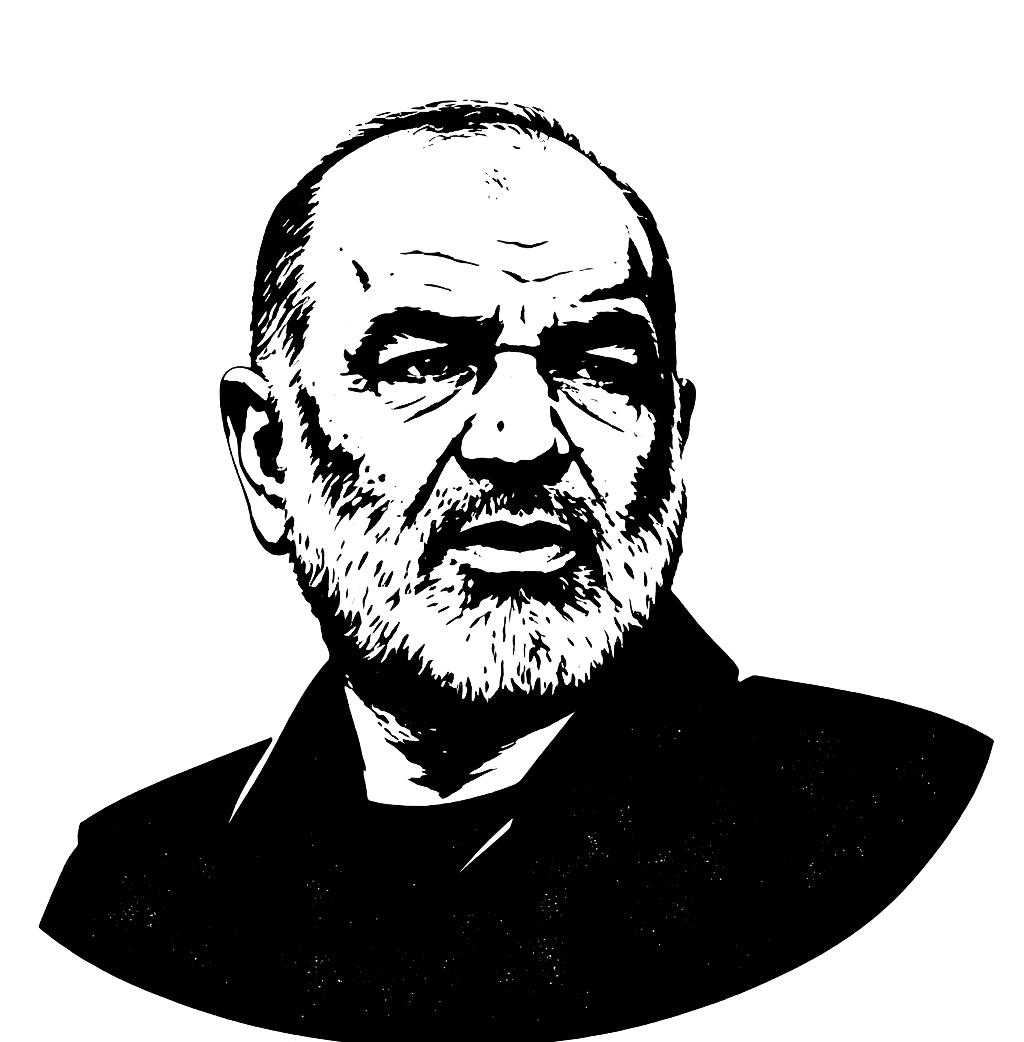
Hossein Salami
Benny Gantz
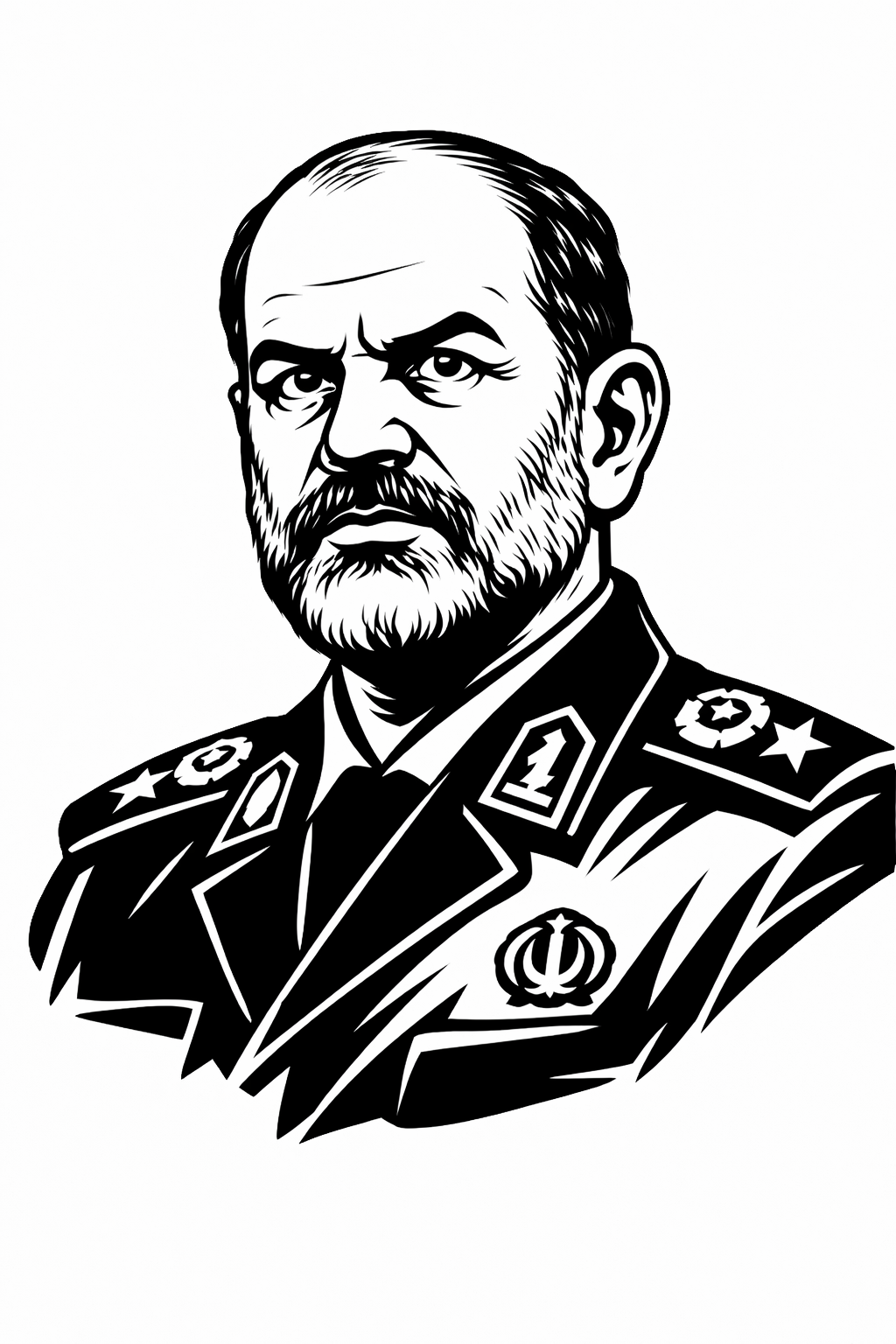
Ahmad Vahidi
Qasem Soleimani
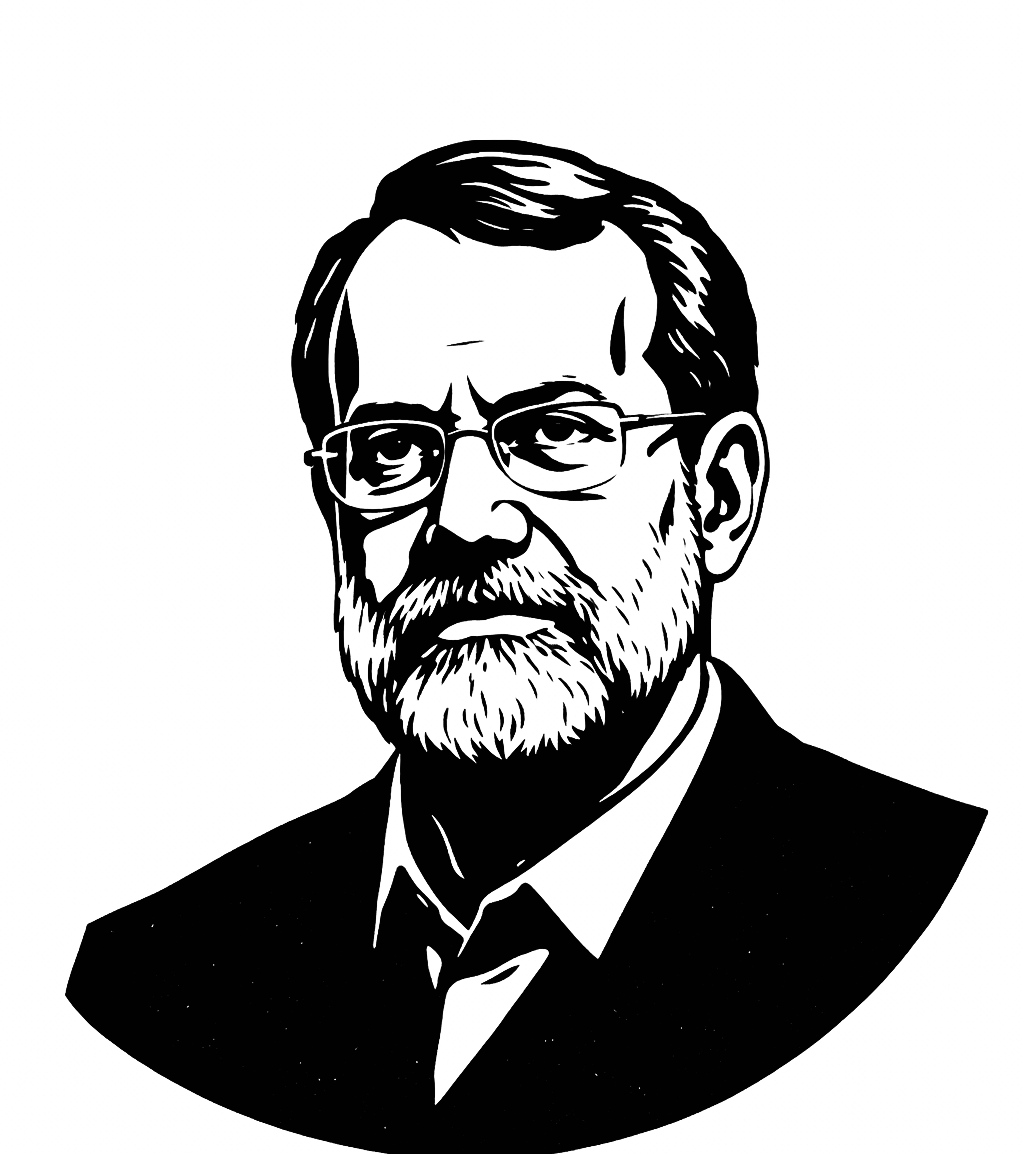
Ali Larijani
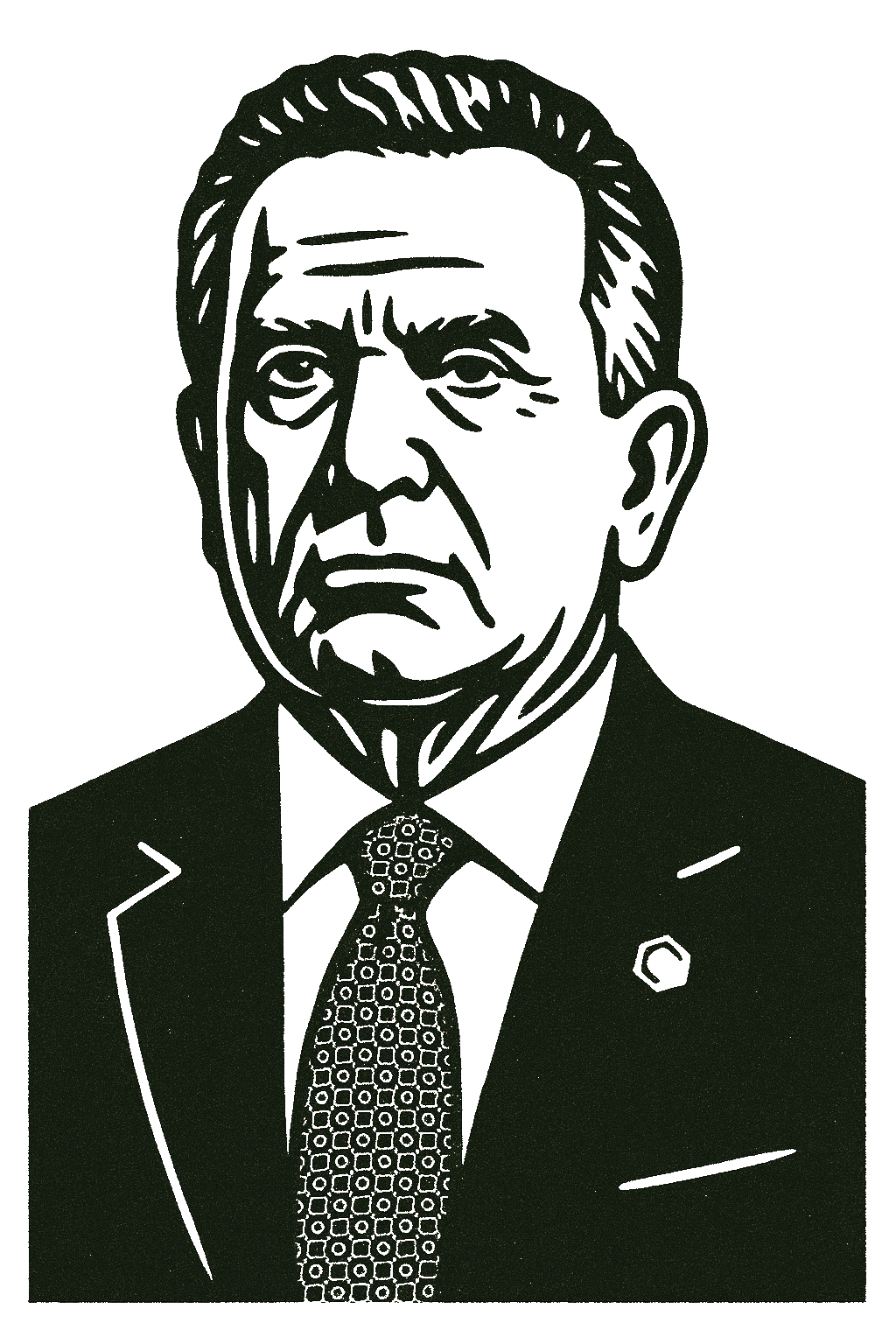
Steve Witkoff
Ismail Qaani
Israel Katz
Locations
Persian Plateau
Pokrovsk
Poltava Oblast
Pompeii

Pont-Audemer
Rivne Oblast
Robotyne
Rostov-on-Don
Points of Interest
No results found.
Articles

Imperialistische doctrines: Hoe Rusland grenzen, identiteit en vertraging gebruikt
Rusland hoeft een land niet te bezetten om het te controleren. Het hoeft alleen een oplossing te voorkomen. Van Transnistrië tot de Krim, van verhalende oorlogsvoering tot financiële systemen, Empire Logic laat zien hoe moderne macht in handen wordt gehouden – niet door verovering, maar door structurele ontkenning.

Terug naar Babel: taal, identiteit en erbij horen
In heel Europa zijn taalrechten bij wet gegarandeerd. Maar hoe zit het in het leven? Van onderwijs tot burgerschap kan de taal die je spreekt nog steeds bepalen of je erbij hoort. Dit artikel onderzoekt hoe pluralisme wordt beloofd – en hoe het stilletjes wordt gefilterd, gerangschikt of ontkend.


Hoe Donald Trump de Nobelprijs voor de Vrede Kan Krijgen
Donald Trump, de dealmaker, de verstoorder – kan hij nog steeds een man van vrede worden? Wat is daarvoor nodig? Nederigheid!



Controleren is goed, vertrouwen is beter!
Het is bijna 2025. Er is maatschappelijke onrust. Een migratiecrisis? Buitenlandse invloeden? Een terugtrekkende beweging naar het nationale vindt plaats. Grenscontroles worden weer ingezet. Men wil weer “in control” zijn. Gaat dit het vertrouwen terugbrengen?
Event Timeline

U.S. arrests Nicolás Maduro
U.S. forces arrest Nicolás Maduro in Caracas, removing him from power through external intervention.
British Occupation of Hong Kong Island
British forces landed on Hong Kong Island and claimed it in the name of the Crown following the First Opium War.

Treaty of Nanking Signed
The Treaty of Nanking ended the First Opium War and ceded Hong Kong Island to Britain, formalizing its colonial status.
Kowloon Peninsula Ceded to Britain
The Convention of Peking ceded the southern part of the Kowloon Peninsula to Britain, extending colonial Hong Kong beyond the island.
British Lease of New Territories
Britain signed a 99-year lease with the Qing Empire, adding the New Territories and islands to colonial Hong Kong.
Kowloon Walled City Preserved
Britain leases the New Territories for 99 years but allows China to retain nominal control of the Kowloon Walled City.
Japanese Invasion of Hong Kong
Japan invades British Hong Kong, launching a bloody battle and three years of occupation.
Return to British Control
British forces retook control of Hong Kong from Japan after Japan’s surrender in World War II.


