
Bosnia and Herzegovina
Intro
The country’s tripartite power-sharing model reflects the legacy of the 1992-1995 war. Bosnia is supervised by an international High Representative and aspires to EU and NATO membership. Economic growth is modest and heavily dependent on remittances.
Background
The Dayton Peace Agreement (1995) ended one of Europe’s bloodiest post-Cold War conflicts. Ethnic division persists through parallel institutions in the Federation and Republika Srpska. EU integration is gradual, constrained by governance reform and external influence from Serbia and Russia.
History
- 1992: Independence and start of Bosnian War – 1995: Dayton Peace Agreement establishes federal structure – 2004: NATO-led stabilization mission replaced by EUFOR – 2022: EU candidate status granted – 2020s: Ongoing reform and national unity efforts
Present Day
In 2025, Bosnia navigates between stagnation and gradual EU reform under renewed regional mediation. Security remains stable but fragile under external pressure from Russia and local nationalist movements.
Future Outlook
Progress toward EU integration depends on constitutional reform and centralized governance. Sustained international oversight remains necessary for stability.
Map
Topics
Persons
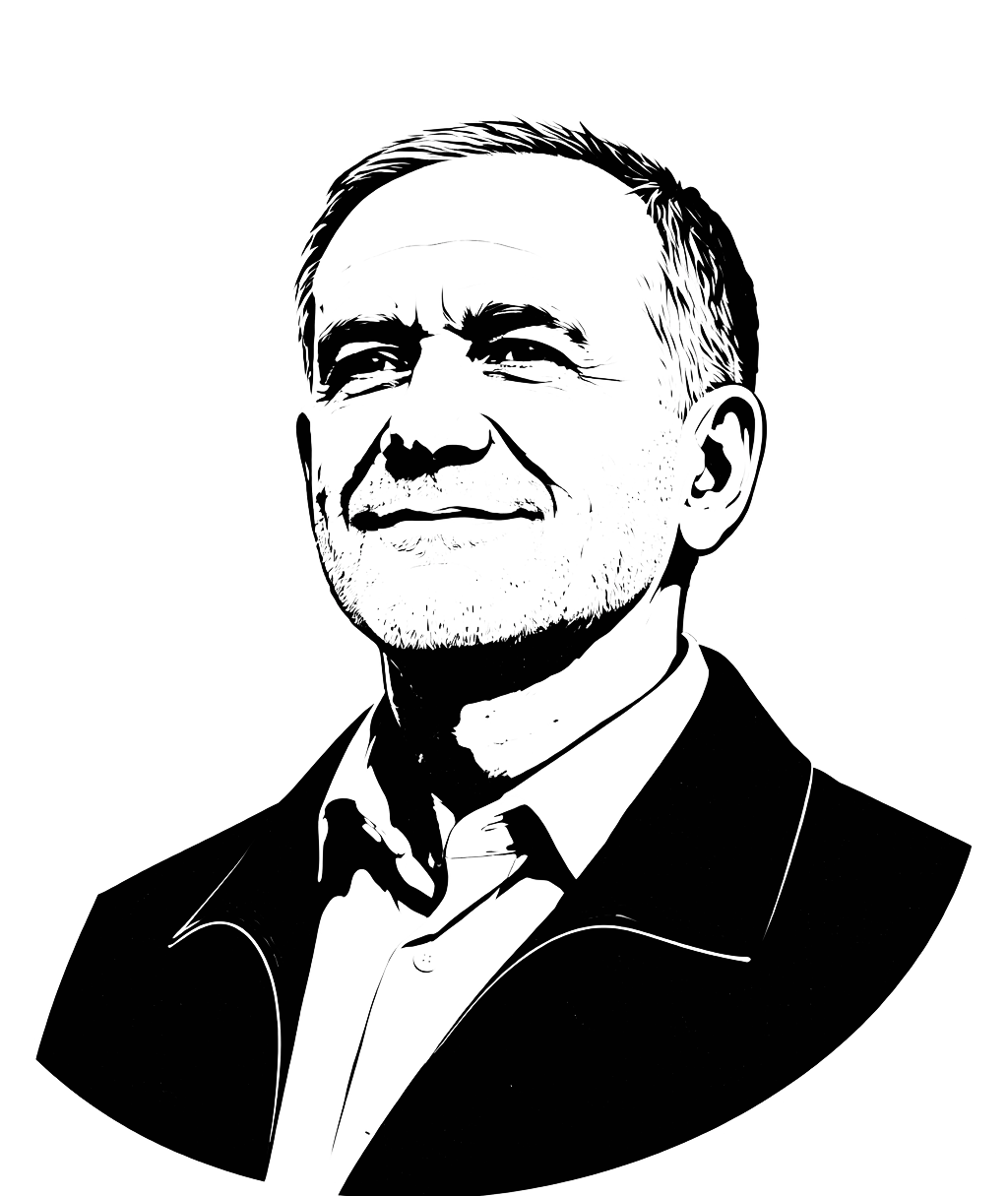
Masoud Pezeshkian

Hugo Chávez
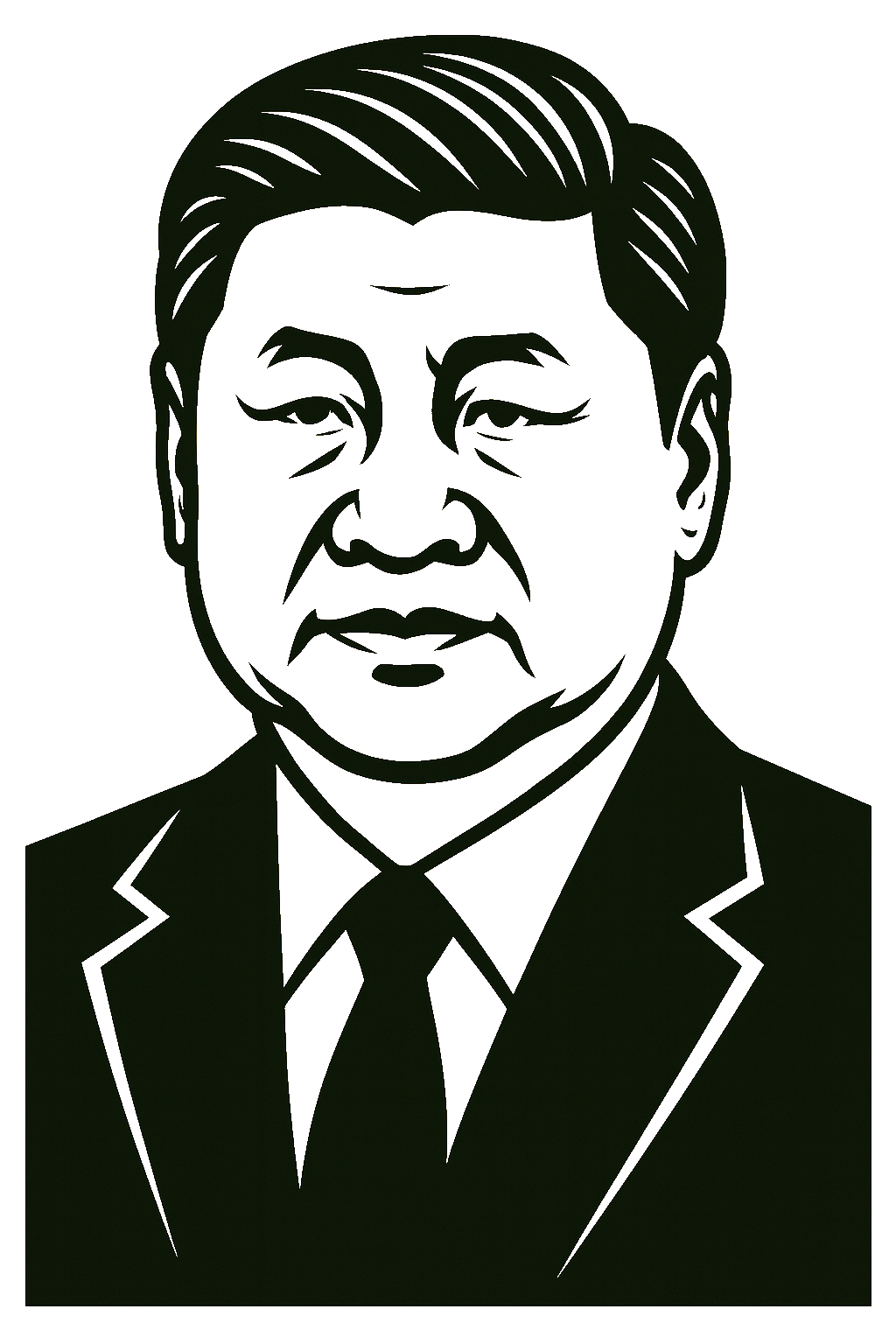
Xi Jinping
Lloyd Austin
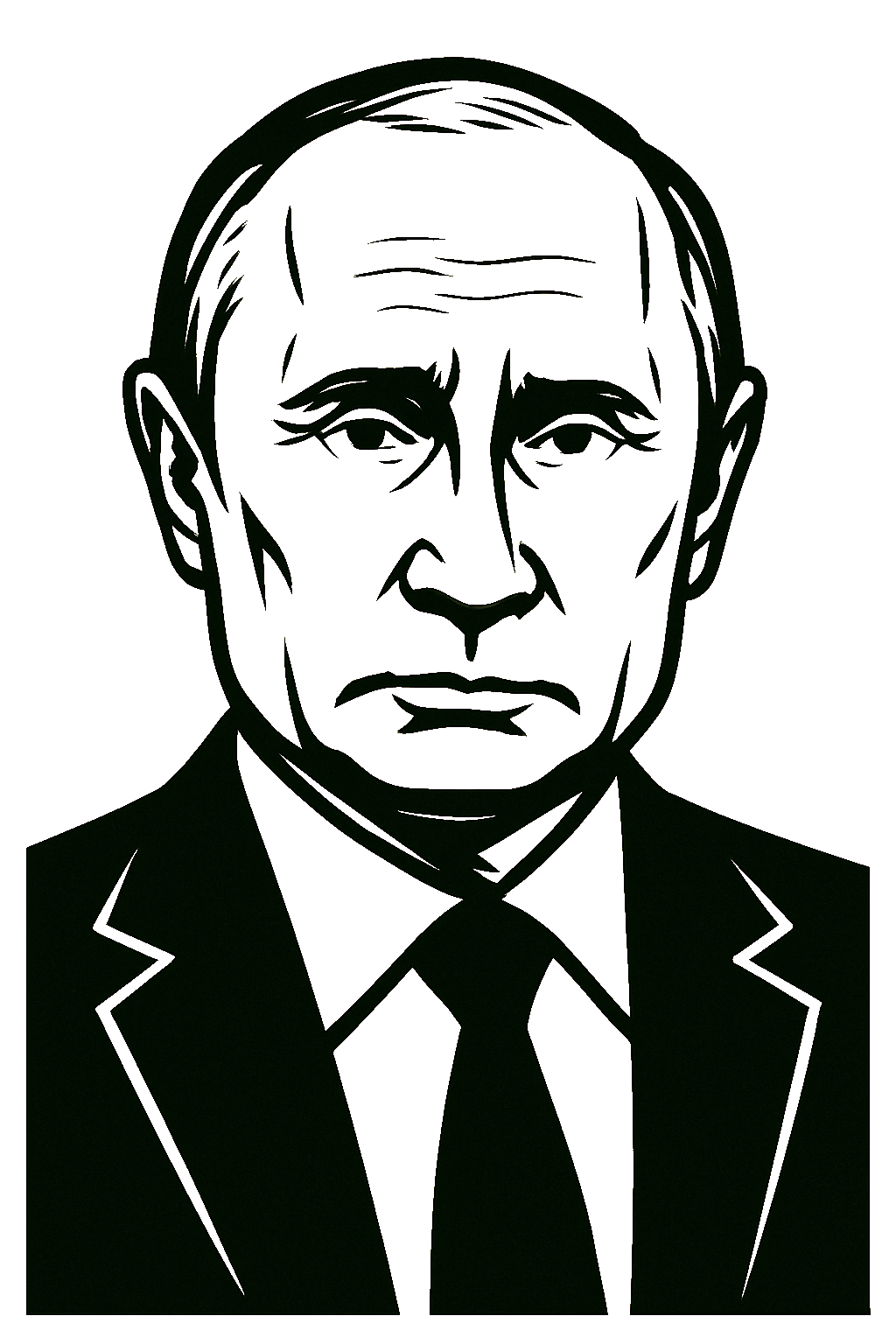
Vladimir Putin
Benjamin Netanyahu
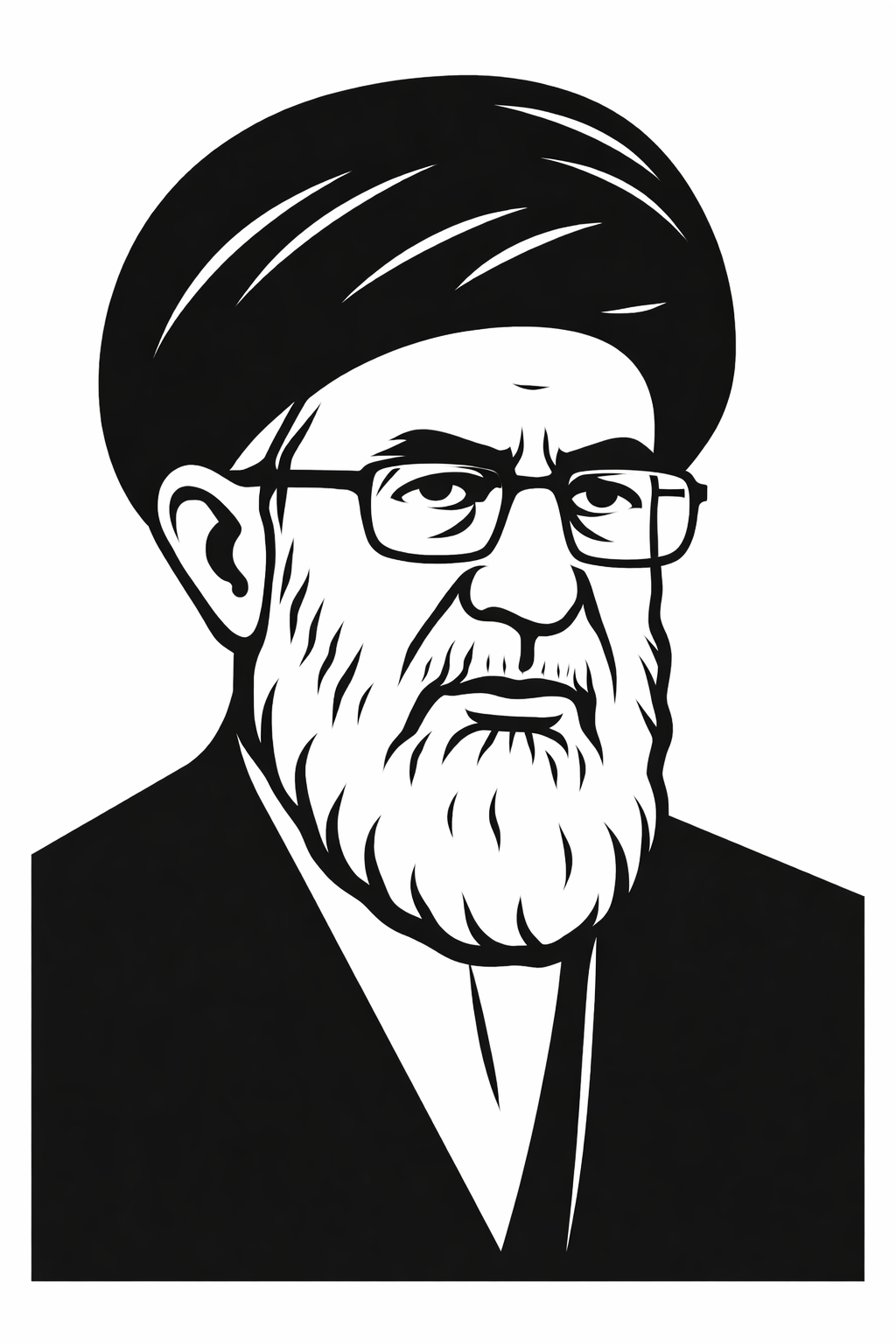
Ali Khamenei
Jimmy Carter
Henry Kissinger
Locations
Medina
Bahrain
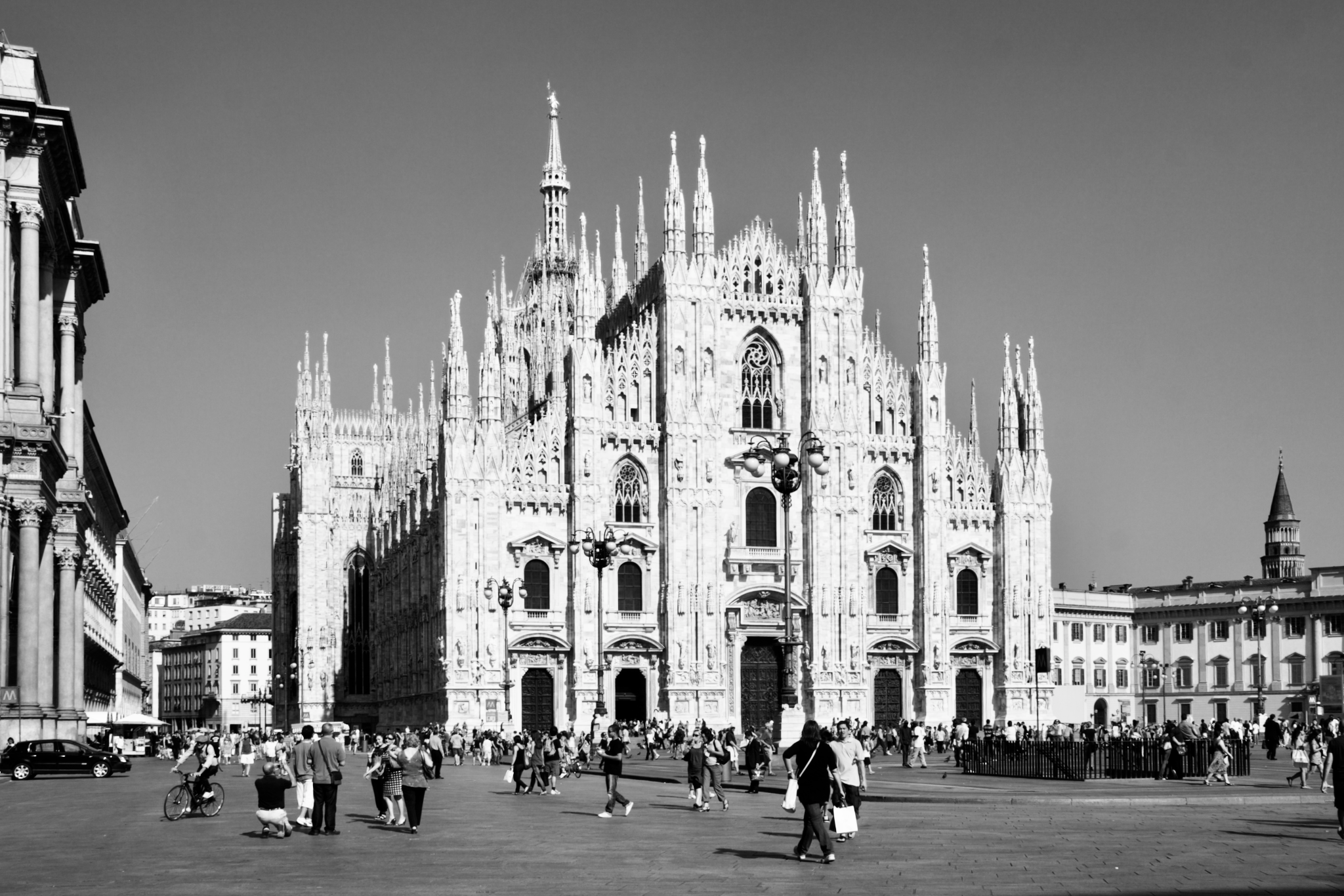
Milan
Estonia
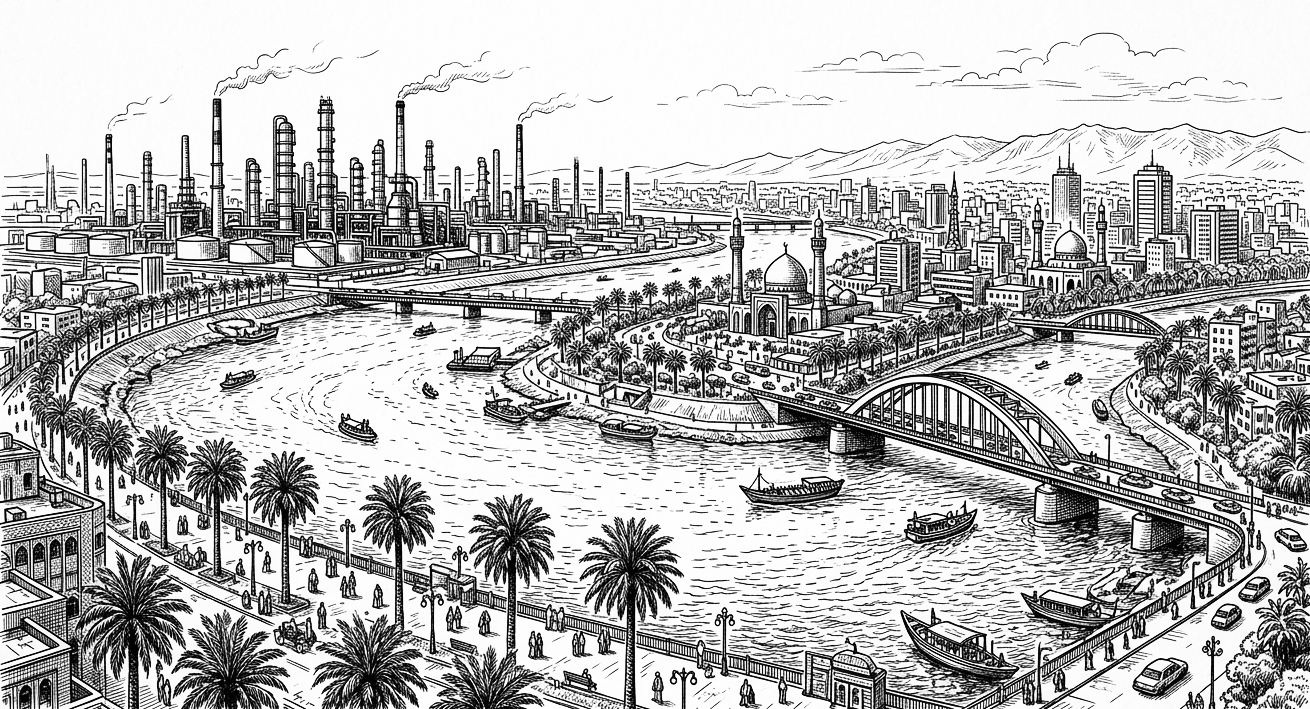
Ahvaz

Hong Kong Island
Timor-Leste
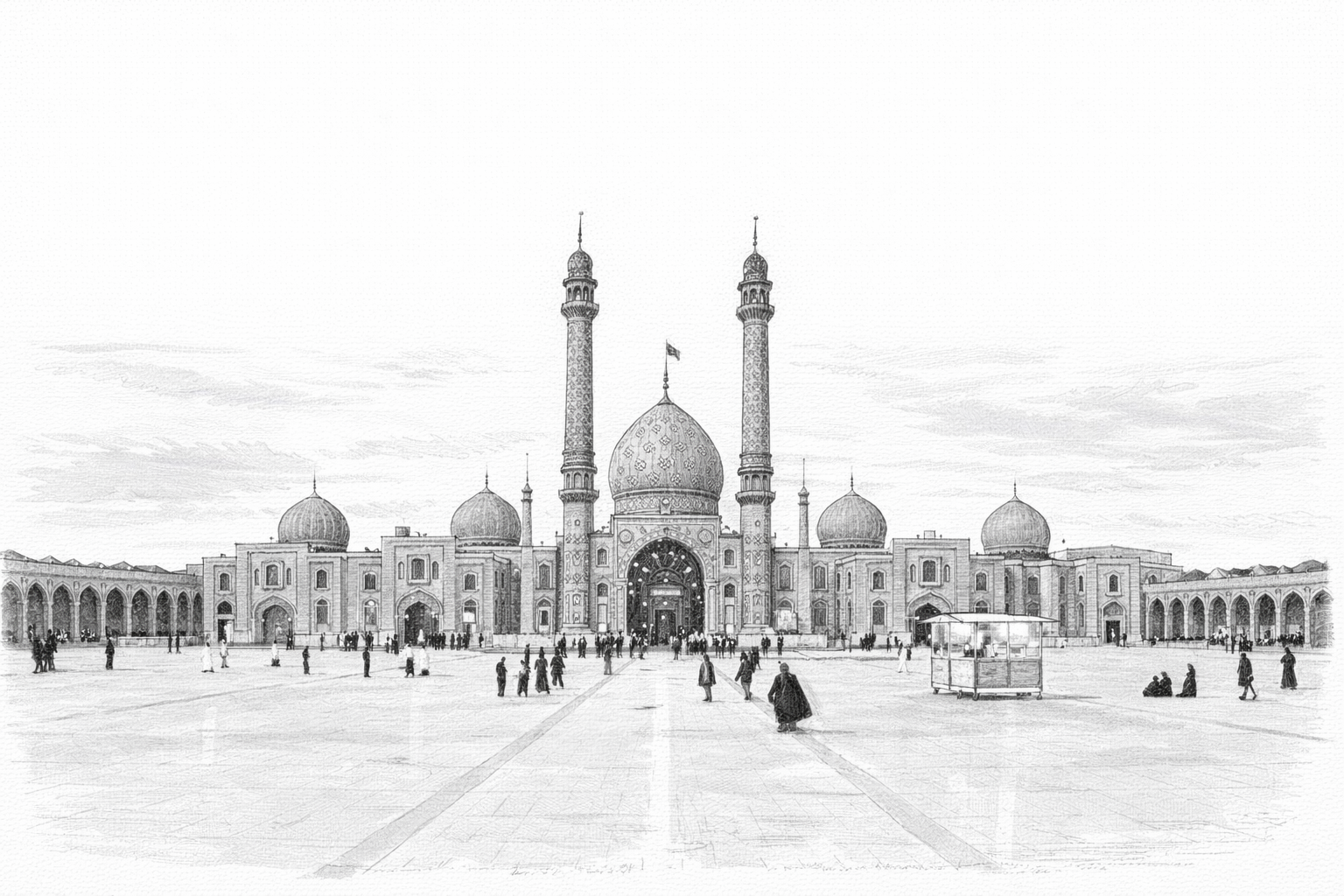
Qom
Saskatchewan
Edmonton
Points of Interest
No results found.
Articles

Imperialistische doctrines: Hoe Rusland grenzen, identiteit en vertraging gebruikt
Rusland hoeft een land niet te bezetten om het te controleren. Het hoeft alleen een oplossing te voorkomen. Van Transnistrië tot de Krim, van verhalende oorlogsvoering tot financiële systemen, Empire Logic laat zien hoe moderne macht in handen wordt gehouden – niet door verovering, maar door structurele ontkenning.

Terug naar Babel: taal, identiteit en erbij horen
In heel Europa zijn taalrechten bij wet gegarandeerd. Maar hoe zit het in het leven? Van onderwijs tot burgerschap kan de taal die je spreekt nog steeds bepalen of je erbij hoort. Dit artikel onderzoekt hoe pluralisme wordt beloofd – en hoe het stilletjes wordt gefilterd, gerangschikt of ontkend.


Hoe Donald Trump de Nobelprijs voor de Vrede Kan Krijgen
Donald Trump, de dealmaker, de verstoorder – kan hij nog steeds een man van vrede worden? Wat is daarvoor nodig? Nederigheid!


Controleren is goed, vertrouwen is beter!
Het is bijna 2025. Er is maatschappelijke onrust. Een migratiecrisis? Buitenlandse invloeden? Een terugtrekkende beweging naar het nationale vindt plaats. Grenscontroles worden weer ingezet. Men wil weer “in control” zijn. Gaat dit het vertrouwen terugbrengen?
Event Timeline

Polish-Lithuanian Rule over Ukraine
Before Moscow, there was Lublin. The Polish–Lithuanian Commonwealth laid the groundwork for Western Ukrainian identity — and for centuries of contested rule.


