
Damascus
Intro
Situated at the edge of the Syrian desert and sustained by the Barada oasis, Damascus functions as Syria’s political and administrative core. It hosts the presidency, security services, and the institutions through which the Assad regime exercises authority.
Background
Damascus’s strategic relevance lies in regime control rather than national integration. Since the outbreak of the Syrian civil war, the city has remained firmly under government control, serving as the command centre for military operations, internal security, and coordination with allied external actors.
History
One of the world’s oldest continuously inhabited cities, Damascus has served as an imperial and regional capital for successive empires. In the modern era, it became the capital of independent Syria in 1946. The Ba’athist takeover and later Assad dynasty embedded centralized, security-driven governance in the city. During the civil war, Damascus avoided full-scale collapse but became increasingly dependent on foreign military and political support.
Present Day
Damascus remains the seat of the Syrian state, though sovereignty is constrained by economic collapse, sanctions, and external influence. Governance is highly centralized, security-heavy, and focused on regime survival, while reconstruction and normalization efforts remain limited and uneven.
Future Outlook
Map
Articles

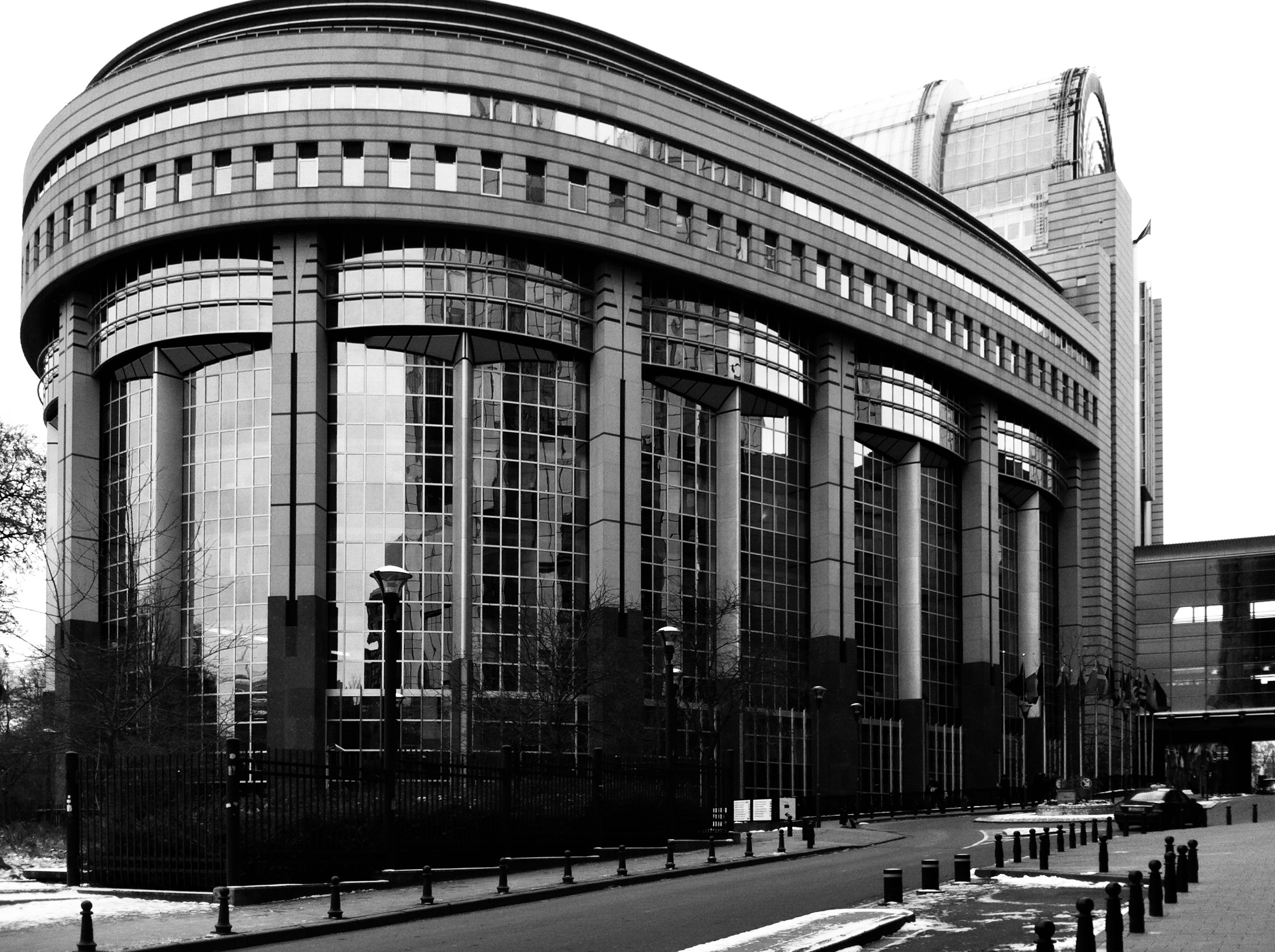
Waarom je deze week moet stemmen bij de verkiezingen voor het Europees Parlement
Europarlementariërs vertegenwoordigen inwoners van EU-lidstaten en adresseren belangrijke onderwerpen die te maken hebben met jouw dagelijks leven. Lees meer hoe en waarom.
Event Timeline

U.S. arrests Nicolás Maduro
U.S. forces arrest Nicolás Maduro in Caracas, removing him from power through external intervention.
British Occupation of Hong Kong Island
British forces landed on Hong Kong Island and claimed it in the name of the Crown following the First Opium War.

Treaty of Nanking Signed
The Treaty of Nanking ended the First Opium War and ceded Hong Kong Island to Britain, formalizing its colonial status.
Kowloon Peninsula Ceded to Britain
The Convention of Peking ceded the southern part of the Kowloon Peninsula to Britain, extending colonial Hong Kong beyond the island.
British Lease of New Territories
Britain signed a 99-year lease with the Qing Empire, adding the New Territories and islands to colonial Hong Kong.
Kowloon Walled City Preserved
Britain leases the New Territories for 99 years but allows China to retain nominal control of the Kowloon Walled City.
Japanese Invasion of Hong Kong
Japan invades British Hong Kong, launching a bloody battle and three years of occupation.
Return to British Control
British forces retook control of Hong Kong from Japan after Japan’s surrender in World War II.


