
Damascus
Intro
Situated at the edge of the Syrian desert and sustained by the Barada oasis, Damascus functions as Syria’s political and administrative core. It hosts the presidency, security services, and the institutions through which the Assad regime exercises authority.
Background
Damascus’s strategic relevance lies in regime control rather than national integration. Since the outbreak of the Syrian civil war, the city has remained firmly under government control, serving as the command centre for military operations, internal security, and coordination with allied external actors.
History
One of the world’s oldest continuously inhabited cities, Damascus has served as an imperial and regional capital for successive empires. In the modern era, it became the capital of independent Syria in 1946. The Ba’athist takeover and later Assad dynasty embedded centralized, security-driven governance in the city. During the civil war, Damascus avoided full-scale collapse but became increasingly dependent on foreign military and political support.
Present Day
Damascus remains the seat of the Syrian state, though sovereignty is constrained by economic collapse, sanctions, and external influence. Governance is highly centralized, security-heavy, and focused on regime survival, while reconstruction and normalization efforts remain limited and uneven.
Future Outlook
Map
Articles

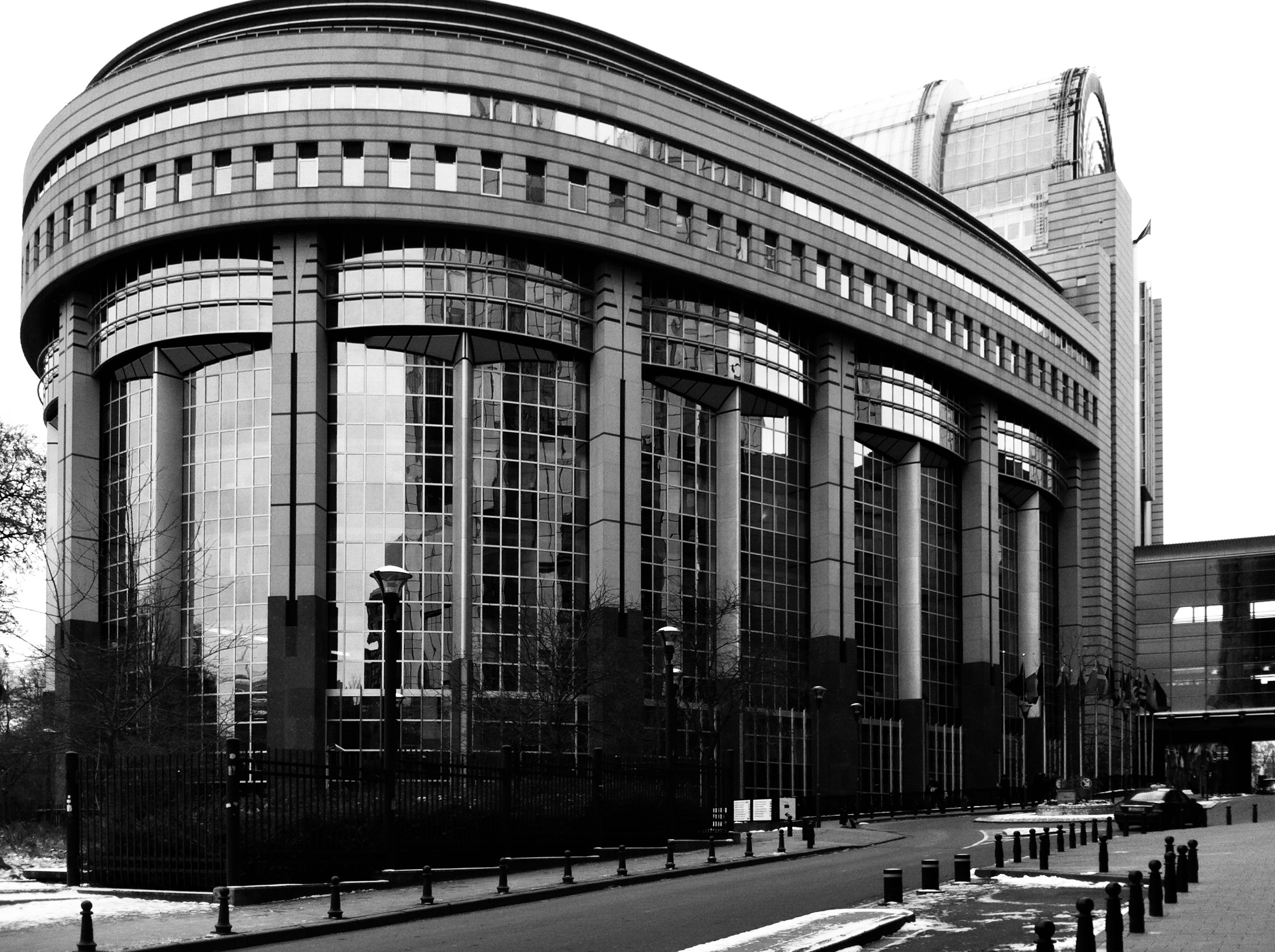
Waarom je deze week moet stemmen bij de verkiezingen voor het Europees Parlement
Europarlementariërs vertegenwoordigen inwoners van EU-lidstaten en adresseren belangrijke onderwerpen die te maken hebben met jouw dagelijks leven. Lees meer hoe en waarom.
Event Timeline
Israeli Strikes in Tehran Killing Larijani
On the night of 16-17 March 2026, Israeli airstrikes in the Tehran area killed Ali Larijani (Secretary of the Supreme National Security Council and de facto leader) and Gholamreza Soleimani (commander of Iran’s internal Basij militia).

Nationalisation of Iranian Oil and the Mossadegh Crisis
From 1951 to 1953, Iran nationalized its oil industry under Prime Minister Mossadegh, leading to an international crisis and the eventual 1953 coup.

Iran Hostage Crisis
In 1979, Iranian students seized the U.S. Embassy in Tehran, holding 52 Americans hostage for 444 days and transforming U.S.-Iran relations.


Taiping Heavenly Kingdom (Taiping Rebellion)
The Taiping Heavenly Kingdom was a large-scale civil war and rival state that challenged Qing rule, resulting in one of the deadliest conflicts in human history and severely weakening imperial authority.
Proclamation of the People’s Republic of China
On 1 October 1949, Mao Zedong proclaimed the People’s Republic of China in Beijing, marking the establishment of Communist rule on the mainland after civil war victory.
First Five-Year Plan and Socialist Transformation
Between 1953 and 1957, China implemented its First Five-Year Plan, restructuring land, industry, and finance along socialist lines and establishing centralized economic planning.
Great Leap Forward
The Great Leap Forward was a nationwide campaign aimed at rapidly industrializing China through mass mobilization and rural collectivization, resulting in severe economic disruption and widespread famine.
Xinhai Revolution
The Xinhai Revolution overthrew the Qing Dynasty and ended over two millennia of imperial rule, leading to the establishment of the Republic of China.


