
Bogotá
Intro
Located on the Sabana de Bogotá, the city concentrates national institutions and functions as Colombia’s primary interface with regional and global systems.
Background
Built on a pre-Columbian Muisca settlement, Bogotá became the Spanish colonial capital and later the seat of the Colombian republic. Centralization shaped its dominance over national political and economic life.
History
Muisca civilization
Spanish founding
Republican capital formation
Urban expansion amid internal conflict
Governance reform and metropolitan consolidation
Present Day
Bogotá hosts federal institutions, finance, and cultural industries. Urban governance focuses on mobility, security, inequality reduction, and air quality at megacity scale.
Future Outlook
Bogotá will remain Colombia’s central command node. Long-term resilience depends on transport integration, social inclusion, and managing rapid metropolitan growth.
Map
Articles

Imperialistische doctrines: Hoe Rusland grenzen, identiteit en vertraging gebruikt
Rusland hoeft een land niet te bezetten om het te controleren. Het hoeft alleen een oplossing te voorkomen. Van Transnistrië tot de Krim, van verhalende oorlogsvoering tot financiële systemen, Empire Logic laat zien hoe moderne macht in handen wordt gehouden – niet door verovering, maar door structurele ontkenning.

Terug naar Babel: taal, identiteit en erbij horen
In heel Europa zijn taalrechten bij wet gegarandeerd. Maar hoe zit het in het leven? Van onderwijs tot burgerschap kan de taal die je spreekt nog steeds bepalen of je erbij hoort. Dit artikel onderzoekt hoe pluralisme wordt beloofd – en hoe het stilletjes wordt gefilterd, gerangschikt of ontkend.


Hoe Donald Trump de Nobelprijs voor de Vrede Kan Krijgen
Donald Trump, de dealmaker, de verstoorder – kan hij nog steeds een man van vrede worden? Wat is daarvoor nodig? Nederigheid!

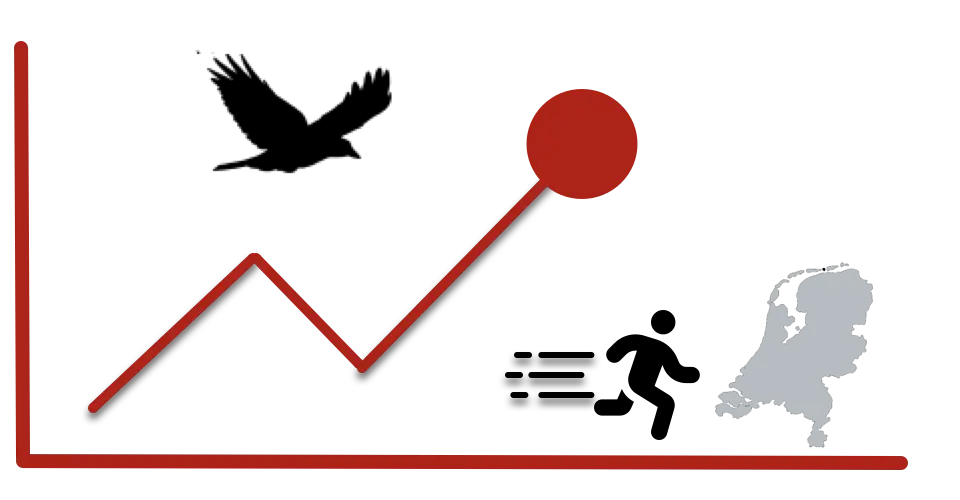
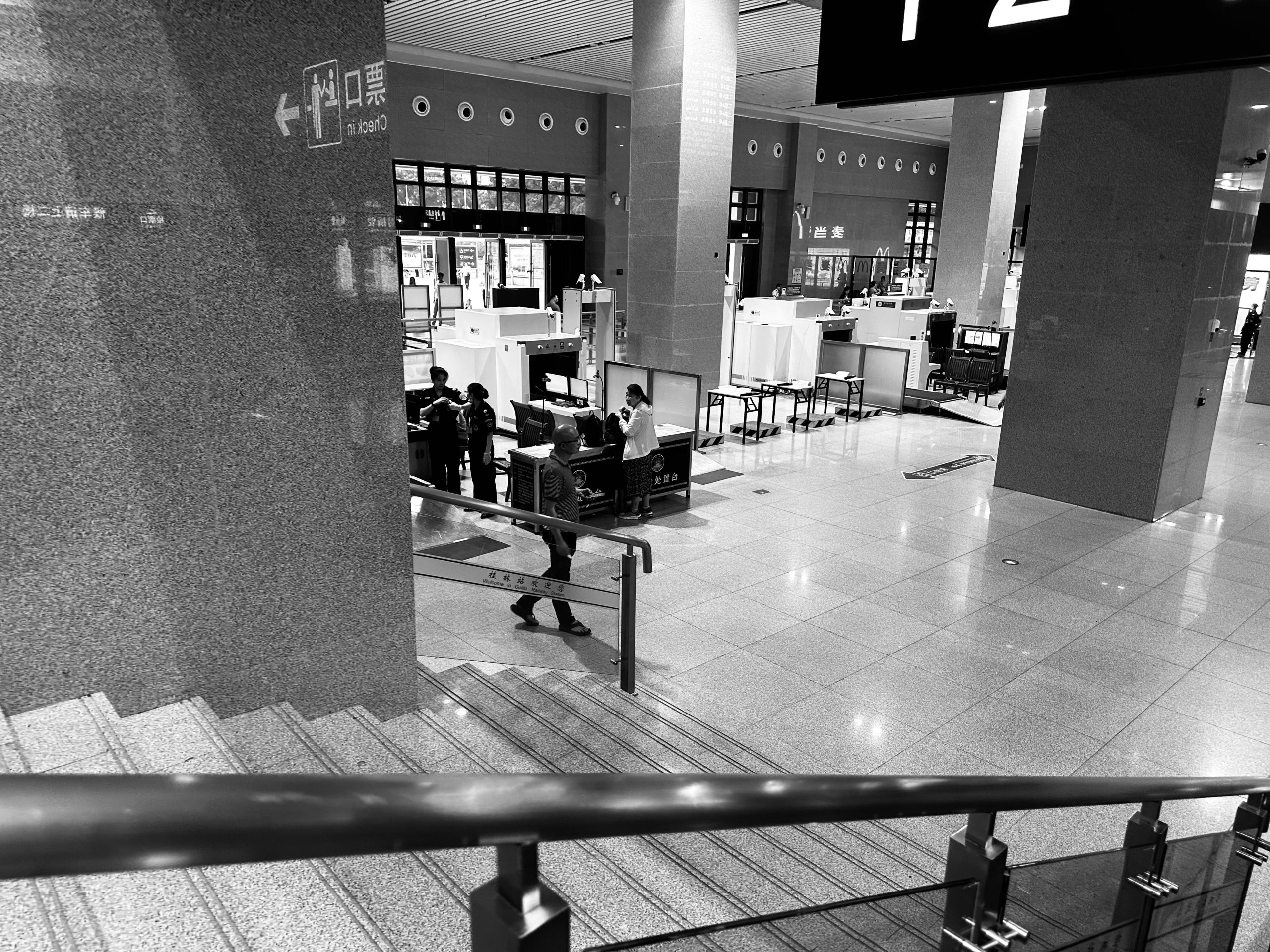
Controleren is goed, vertrouwen is beter!
Het is bijna 2025. Er is maatschappelijke onrust. Een migratiecrisis? Buitenlandse invloeden? Een terugtrekkende beweging naar het nationale vindt plaats. Grenscontroles worden weer ingezet. Men wil weer “in control” zijn. Gaat dit het vertrouwen terugbrengen?
Event Timeline

Polish-Lithuanian Rule over Ukraine
Before Moscow, there was Lublin. The Polish–Lithuanian Commonwealth laid the groundwork for Western Ukrainian identity — and for centuries of contested rule.


