
Black Sea
Intro
Ports from Constanța and Odessa to Samsun and Batumi connect to the Med via Bosporus/Dardanelles. Pipelines (e.g., TurkStream) and subsea cables add strategic value. Littoral economies depend on bulk, containers, shipbuilding, and tourism.
Background
NATO presence and Russian posture militarized parts of the basin. The war in Ukraine created mines, blockades, and temporary grain routes. Environmental stress requires joint mitigation under low trust.
History
- Antiquity: Greek colonies and trade – Modern: Montreux regime defines naval access – 2022-: Conflict impacts on shipping and grain exports
Present Day
Future Outlook
Baseline is persistent contestation with adaptive trade. Investments in resilient ports, traffic IT, and energy transit will shape the recovery curve.
Map
Articles

Imperialistische doctrines: Hoe Rusland grenzen, identiteit en vertraging gebruikt
Rusland hoeft een land niet te bezetten om het te controleren. Het hoeft alleen een oplossing te voorkomen. Van Transnistrië tot de Krim, van verhalende oorlogsvoering tot financiële systemen, Empire Logic laat zien hoe moderne macht in handen wordt gehouden – niet door verovering, maar door structurele ontkenning.

Terug naar Babel: taal, identiteit en erbij horen
In heel Europa zijn taalrechten bij wet gegarandeerd. Maar hoe zit het in het leven? Van onderwijs tot burgerschap kan de taal die je spreekt nog steeds bepalen of je erbij hoort. Dit artikel onderzoekt hoe pluralisme wordt beloofd – en hoe het stilletjes wordt gefilterd, gerangschikt of ontkend.


Hoe Donald Trump de Nobelprijs voor de Vrede Kan Krijgen
Donald Trump, de dealmaker, de verstoorder – kan hij nog steeds een man van vrede worden? Wat is daarvoor nodig? Nederigheid!

Controleren is goed, vertrouwen is beter!
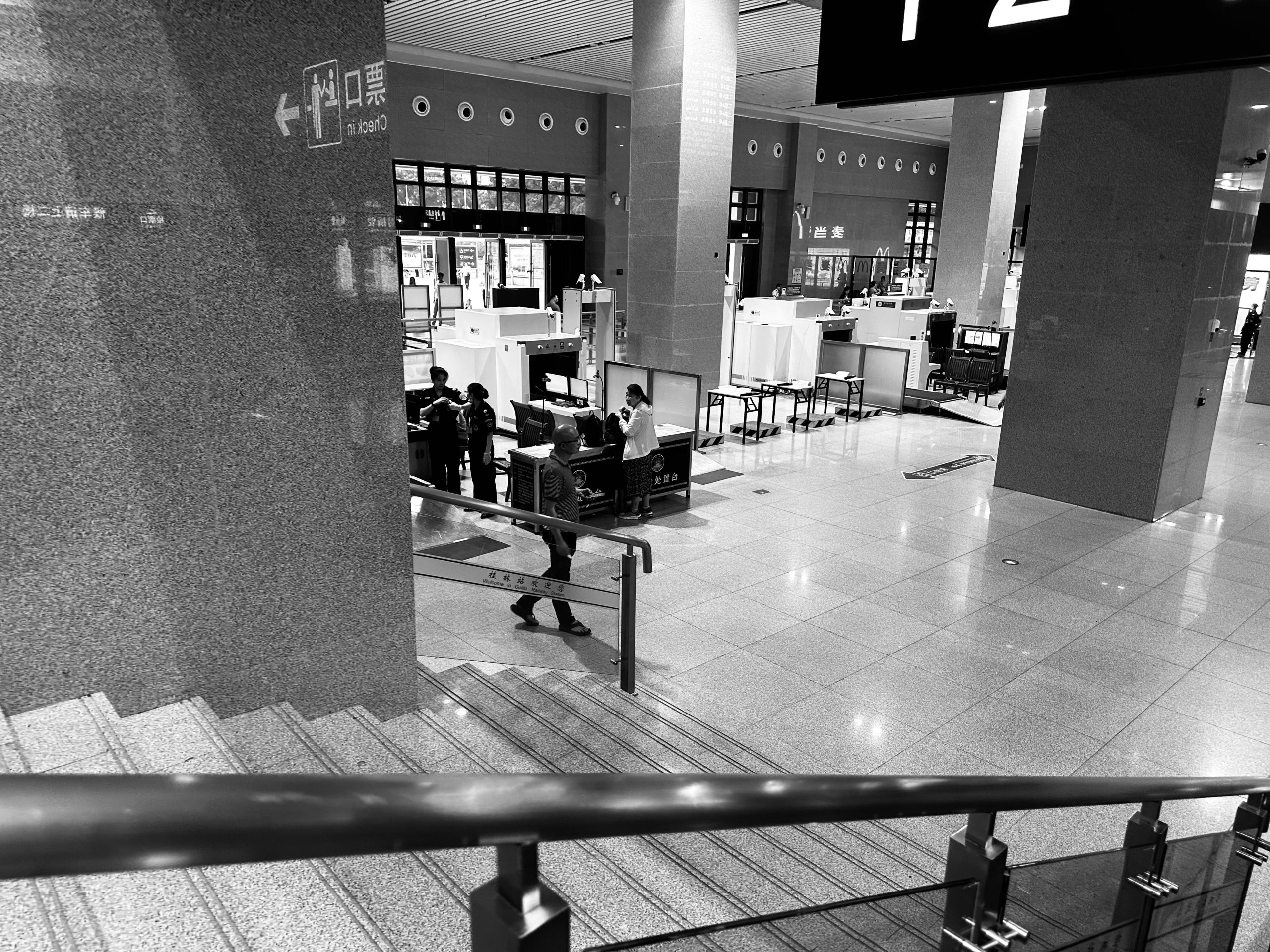
Het is bijna 2025. Er is maatschappelijke onrust. Een migratiecrisis? Buitenlandse invloeden? Een terugtrekkende beweging naar het nationale vindt plaats. Grenscontroles worden weer ingezet. Men wil weer “in control” zijn. Gaat dit het vertrouwen terugbrengen?
Event Timeline
Technocratic Governance and Managed Growth
Between 2002 and 2012, China was governed through a technocratic model emphasizing stability, managed economic growth, and incremental reform under collective leadership.
Convention of Peking
The Convention of Peking ended the Second Opium War and ceded the Kowloon Peninsula south of Boundary Street to Britain.

Second Opium War
The Second Opium War expanded Western military pressure on Qing China, resulting in deeper treaty concessions, legalized opium trade, and intensified foreign presence in imperial affairs.

First Opium War
In June 1839, Chinese official Lin Zexu ordered the destruction of British opium stockpiles in Canton, sparking the First Opium War.
The Long March
The Long March was a strategic retreat by Chinese Communist forces that ensured the survival of the CCP and elevated Mao Zedong as its dominant leader.
Comintern Influence on the Chinese Communist Party
From its founding until the mid-1930s, the Chinese Communist Party (CCP) operated under strong ideological, organizational, and operational influence from the Soviet-led Comintern, shaping leadership struggles and strategy choices until a gradual break during the Long March era.

First Sino-Japanese War
The First Sino-Japanese War exposed the failure of Qing modernization and marked the transfer of regional leadership in East Asia from China to Japan.

Iranian Revolution
In 1979, a mass movement removed the Pahlavi monarchy and established the Islamic Republic, redefining Iran’s political and ideological system.

Reform Movement and the Khatami Presidency
From 1997 to 2005, Iran experienced a reform era focused on civic openness, political participation, and institutional debate.

The Green Movement
In 2009, large-scale protests challenged the presidential election outcome, marking one of the most significant political mobilizations since 1979.


