
Miami
Intro
Located on the southeastern coast of Florida, Miami functions as a bridge between North America, the Caribbean, and Latin America. Its economy and identity are deeply shaped by transnational flows.
Background
Developed in the late 19th and early 20th centuries, Miami expanded through tourism, real estate, and trade. Cold War migration waves and regional finance transformed it into a hemispheric hub.
History
Founding and railroad expansion
Tourism and real-estate growth
Latin American migration and exile communities
Financial, logistics, and cultural globalization
Present Day
Miami hosts international banks, ports, and air hubs serving Latin America. Urban governance prioritizes resilience, real estate management, and positioning as a financial and cultural gateway.
Future Outlook
Miami will remain a key hemispheric connector. Long-term viability depends on climate adaptation, infrastructure investment, and managing speculative urban growth.
Map
Articles

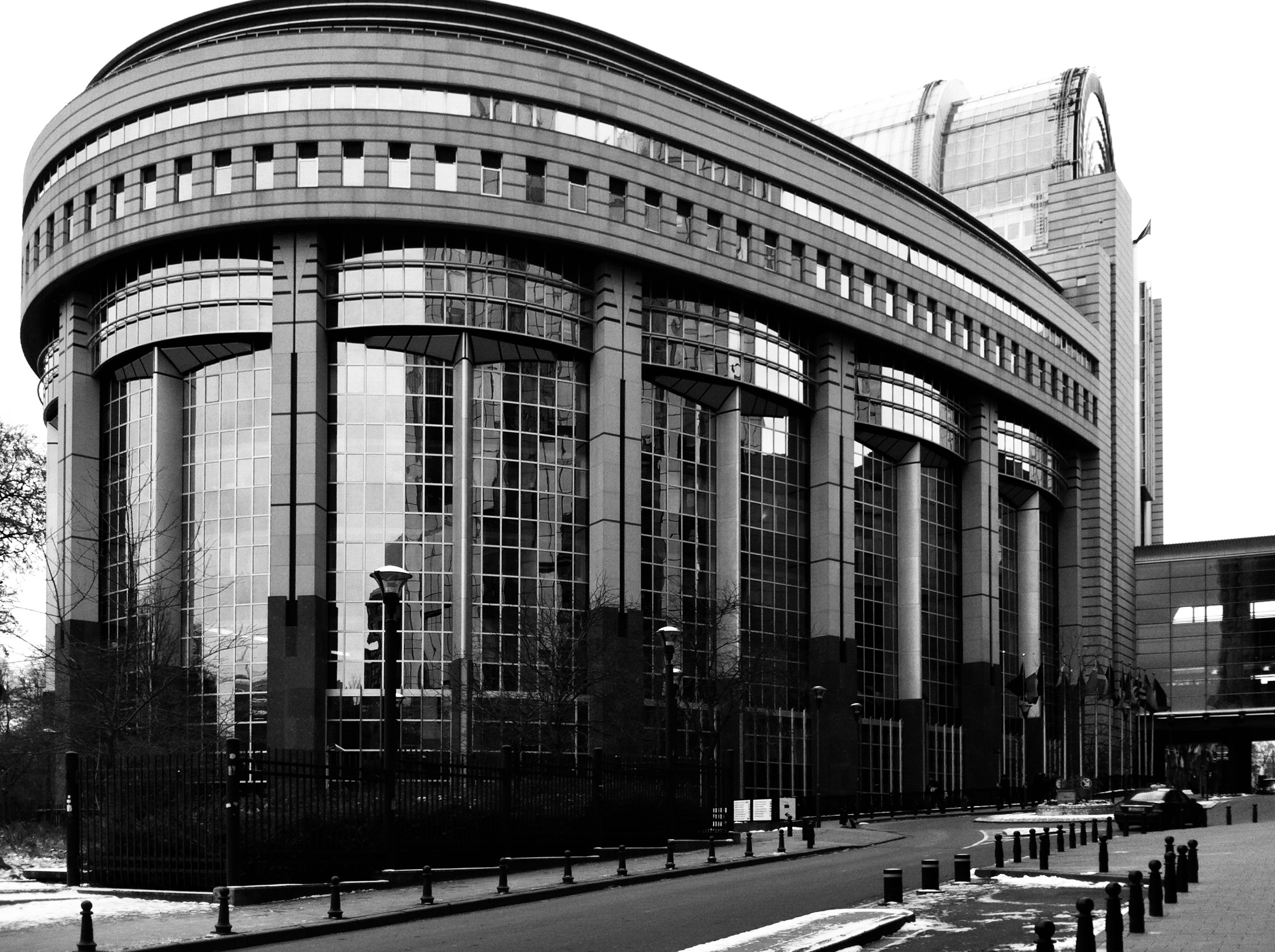
Waarom je deze week moet stemmen bij de verkiezingen voor het Europees Parlement
Europarlementariërs vertegenwoordigen inwoners van EU-lidstaten en adresseren belangrijke onderwerpen die te maken hebben met jouw dagelijks leven. Lees meer hoe en waarom.
Event Timeline
Technocratic Governance and Managed Growth
Between 2002 and 2012, China was governed through a technocratic model emphasizing stability, managed economic growth, and incremental reform under collective leadership.
Convention of Peking
The Convention of Peking ended the Second Opium War and ceded the Kowloon Peninsula south of Boundary Street to Britain.

Second Opium War
The Second Opium War expanded Western military pressure on Qing China, resulting in deeper treaty concessions, legalized opium trade, and intensified foreign presence in imperial affairs.

First Opium War
In June 1839, Chinese official Lin Zexu ordered the destruction of British opium stockpiles in Canton, sparking the First Opium War.
The Long March
The Long March was a strategic retreat by Chinese Communist forces that ensured the survival of the CCP and elevated Mao Zedong as its dominant leader.
Comintern Influence on the Chinese Communist Party
From its founding until the mid-1930s, the Chinese Communist Party (CCP) operated under strong ideological, organizational, and operational influence from the Soviet-led Comintern, shaping leadership struggles and strategy choices until a gradual break during the Long March era.

First Sino-Japanese War
The First Sino-Japanese War exposed the failure of Qing modernization and marked the transfer of regional leadership in East Asia from China to Japan.

Iranian Revolution
In 1979, a mass movement removed the Pahlavi monarchy and established the Islamic Republic, redefining Iran’s political and ideological system.

Reform Movement and the Khatami Presidency
From 1997 to 2005, Iran experienced a reform era focused on civic openness, political participation, and institutional debate.

The Green Movement
In 2009, large-scale protests challenged the presidential election outcome, marking one of the most significant political mobilizations since 1979.


