
Havana
Intro
Situated on the northwestern coast of Cuba, Havana anchors national governance and maritime access. The city functions as Cuba’s principal interface with the Caribbean and the wider Atlantic world.
Background
Founded in the early 16th century, Havana became a key Spanish imperial port. After the 1959 revolution, it evolved into the administrative and ideological center of the Cuban state, shaped by decades of embargo and centralized rule.
History
Spanish colonial founding and fortification
Imperial port and Caribbean hub
Cuban Revolution and socialist consolidation
Strategic alignment with the Soviet bloc
Economic contraction and limited reform
Managed continuity under structural constraints
Present Day
Havana hosts the national government, cultural institutions, and tourism infrastructure. Urban governance manages decay, rationing, and controlled openings amid fiscal scarcity and demographic pressure.
Future Outlook
Havana’s trajectory depends on economic reform, external relations, and generational transition. Urban renewal potential exists but is constrained by capital shortages and political continuity.
Map
Articles

Imperialistische doctrines: Hoe Rusland grenzen, identiteit en vertraging gebruikt
Rusland hoeft een land niet te bezetten om het te controleren. Het hoeft alleen een oplossing te voorkomen. Van Transnistrië tot de Krim, van verhalende oorlogsvoering tot financiële systemen, Empire Logic laat zien hoe moderne macht in handen wordt gehouden – niet door verovering, maar door structurele ontkenning.

Terug naar Babel: taal, identiteit en erbij horen
In heel Europa zijn taalrechten bij wet gegarandeerd. Maar hoe zit het in het leven? Van onderwijs tot burgerschap kan de taal die je spreekt nog steeds bepalen of je erbij hoort. Dit artikel onderzoekt hoe pluralisme wordt beloofd – en hoe het stilletjes wordt gefilterd, gerangschikt of ontkend.


Hoe Donald Trump de Nobelprijs voor de Vrede Kan Krijgen
Donald Trump, de dealmaker, de verstoorder – kan hij nog steeds een man van vrede worden? Wat is daarvoor nodig? Nederigheid!

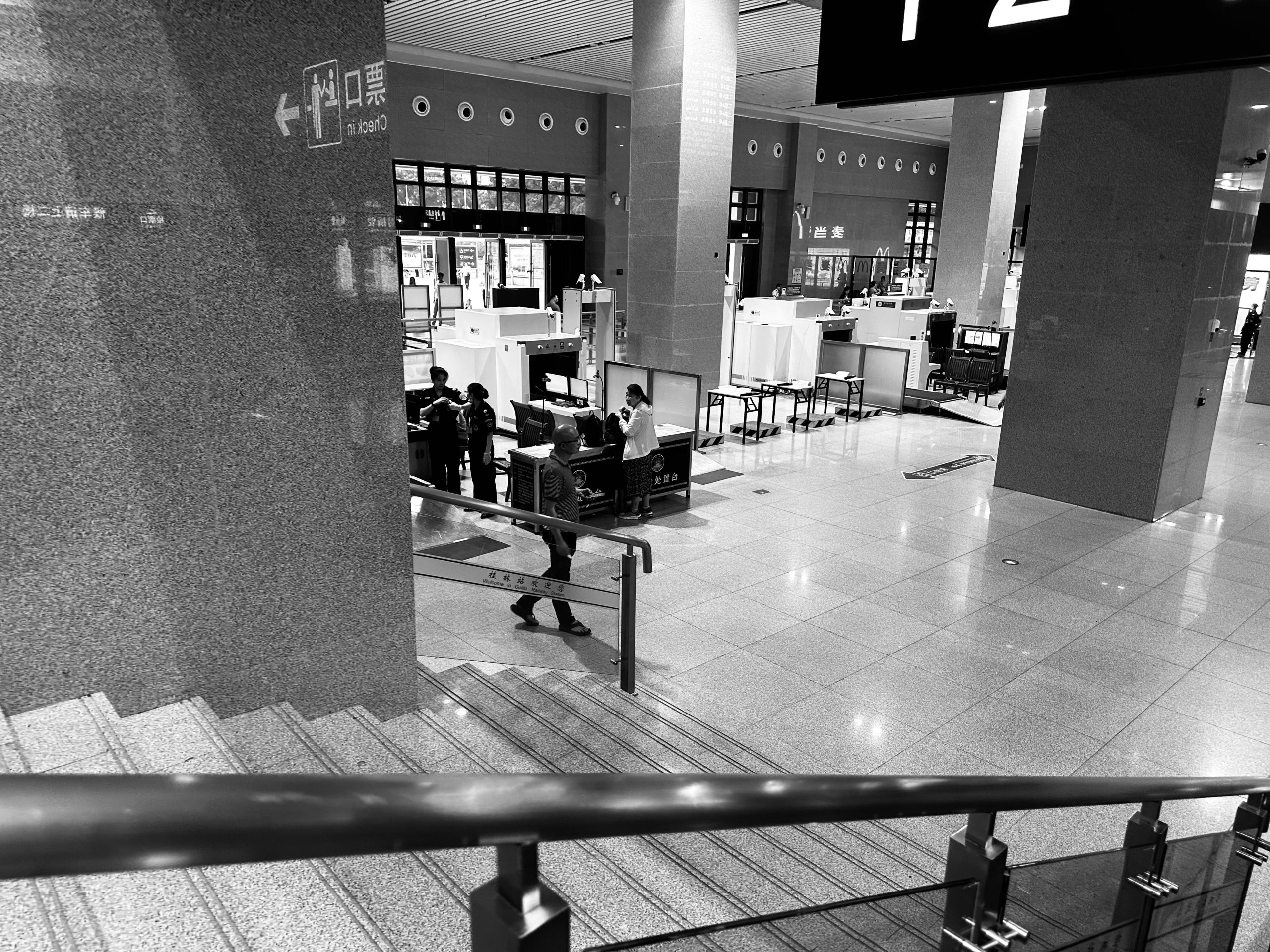
Controleren is goed, vertrouwen is beter!
Het is bijna 2025. Er is maatschappelijke onrust. Een migratiecrisis? Buitenlandse invloeden? Een terugtrekkende beweging naar het nationale vindt plaats. Grenscontroles worden weer ingezet. Men wil weer “in control” zijn. Gaat dit het vertrouwen terugbrengen?
Event Timeline

Polish-Lithuanian Rule over Ukraine
Before Moscow, there was Lublin. The Polish–Lithuanian Commonwealth laid the groundwork for Western Ukrainian identity — and for centuries of contested rule.


