
1860-10-24
The Convention of Peking ceded the southern part of the Kowloon Peninsula to Britain, extending colonial Hong Kong beyond the island.
Background
Following the Second Opium War, Britain imposed a new treaty on the Qing dynasty, extracting further concessions. The Convention of Peking added Kowloon (south of Boundary Street) to the British Crown Colony. This expansion followed rising demand for land and security near Victoria Harbour. The treaty was signed under military pressure after Anglo-French forces occupied Beijing.
Legacy
– Formal expansion of colonial Hong Kong onto mainland China – Foundation for the later development of Tsim Sha Tsui and Kowloon Bay – Intensified Chinese resentment and the legacy of forced concessions
Key Moment
Perspective & Relations
Narratives
| 1860-10-24 – China cedes Kowloon south of Boundary Street to Britain via the Convention of Peking. | ||
| – Formal expansion of colonial Hong Kong onto mainland China – Foundation for the later development of Tsim Sha Tsui and Kowloon Bay – Intensified Chinese resentment and the legacy of forced concessions | ||
| The Convention of Peking ceded the southern part of the Kowloon Peninsula to Britain, extending colonial Hong Kong beyond the island. | ||
| Following the Second Opium War, Britain imposed a new treaty on the Qing dynasty, extracting further concessions. The Convention of Peking added Kowloon (south of Boundary Street) to the British Crown Colony. This expansion followed rising demand for land and security near Victoria Harbour. The treaty was signed under military pressure after Anglo-French forces occupied Beijing. | ||
| The Convention of Peking ceded the southern part of the Kowloon Peninsula to Britain, extending colonial Hong Kong beyond the island. | ||
| Following the Second Opium War, Britain imposed a new treaty on the Qing dynasty, extracting further concessions. The Convention of Peking added Kowloon (south of Boundary Street) to the British Crown Colony. This expansion followed rising demand for land and security near Victoria Harbour. The treaty was signed under military pressure after Anglo-French forces occupied Beijing. | ||
| 1860-10-24 – China cedes Kowloon south of Boundary Street to Britain via the Convention of Peking. | ||
| – Formal expansion of colonial Hong Kong onto mainland China – Foundation for the later development of Tsim Sha Tsui and Kowloon Bay – Intensified Chinese resentment and the legacy of forced concessions | ||
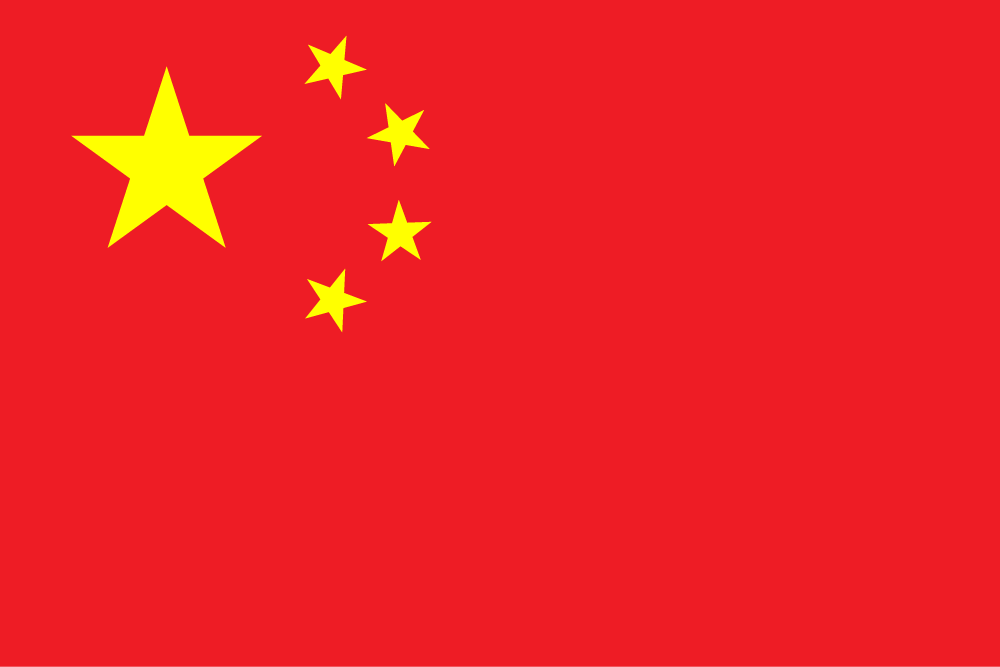 | China | The Qing Empire, humiliated by repeated defeats, ceded further territory, weakening its control over southern China and accelerating internal unrest. |
| The Convention of Peking ceded the southern part of the Kowloon Peninsula to Britain, extending colonial Hong Kong beyond the island. |