
Hamadan
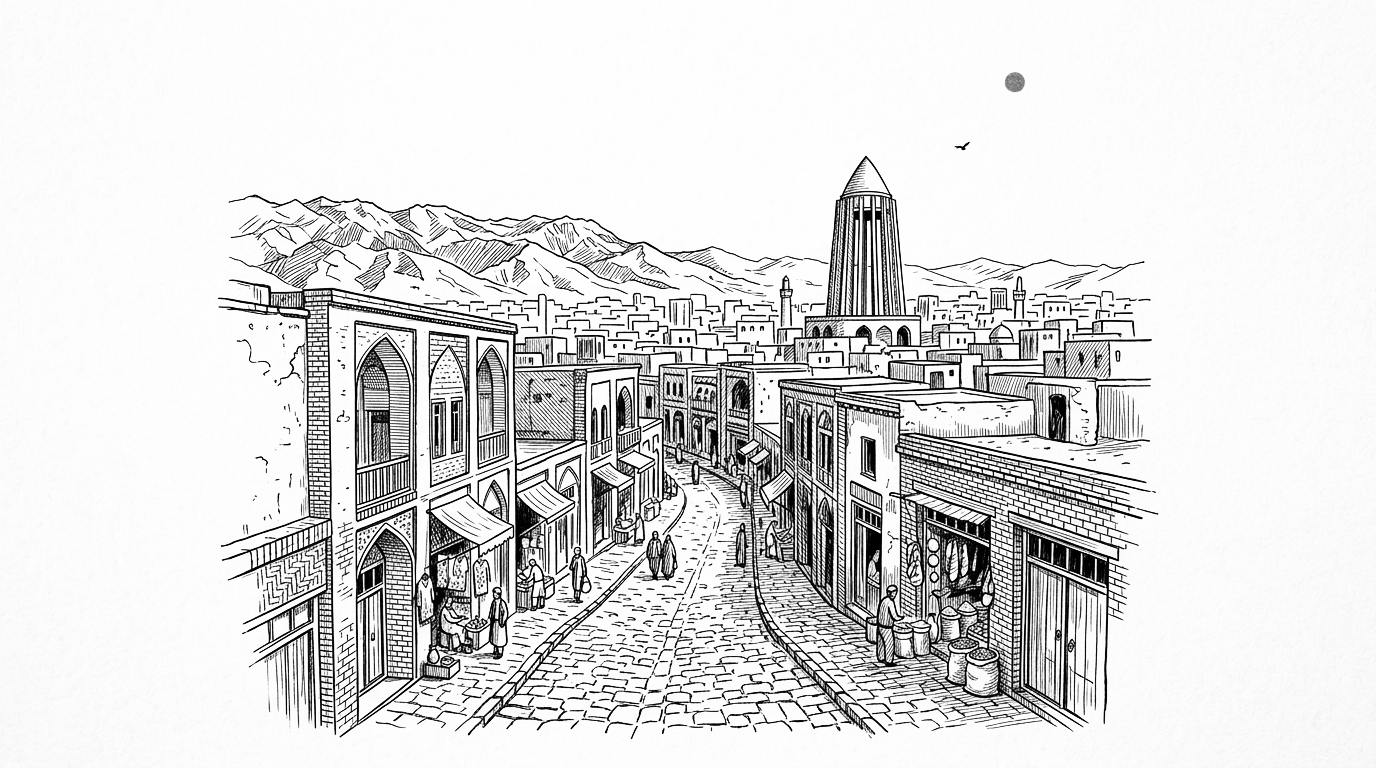
Intro
Situated in the western Iranian highlands, Hamadan occupies a defensible basin near key Zagros corridors. Its elevation and inland position historically provided strategic depth against western incursions.
Background
Known in antiquity as Ecbatana, Hamadan served as a Median and later Achaemenid capital. In the modern state, its relevance shifted toward regional governance, military support, and inland logistics rather than national power projection.
History
Hamadan’s history begins with the Median Empire, when the city, then known as Ecbatana, served as the imperial capital and one of the great cities of the ancient world. Cyrus the Great incorporated it into the Achaemenid Empire after 550 BC, and it retained its role as a royal residence and administrative centre under successive Achaemenid kings. Under the Parthians and Sassanids it remained a significant western city and a key node on trade routes connecting Mesopotamia to the Iranian plateau.
Through the Islamic period Hamadan passed between Buyid, Seljuk, and Mongol control, sustaining damage but persisting as a regional centre. The Qajar and Pahlavi periods brought administrative consolidation as the city became the capital of a formalised province. During the Iran-Iraq War Hamadan served as a rear-area logistics and support hub, with the Shahid Nojeh air base playing an active role in the western air campaign.
Present Day
Today Hamadan functions as a stable provincial capital with education, health, and public-sector employment. Its proximity to western borders and military installations gives it quiet strategic relevance without frontier exposure.
Future Outlook
Map
Articles
No results found.
Event Timeline
No results found.


