
Qom
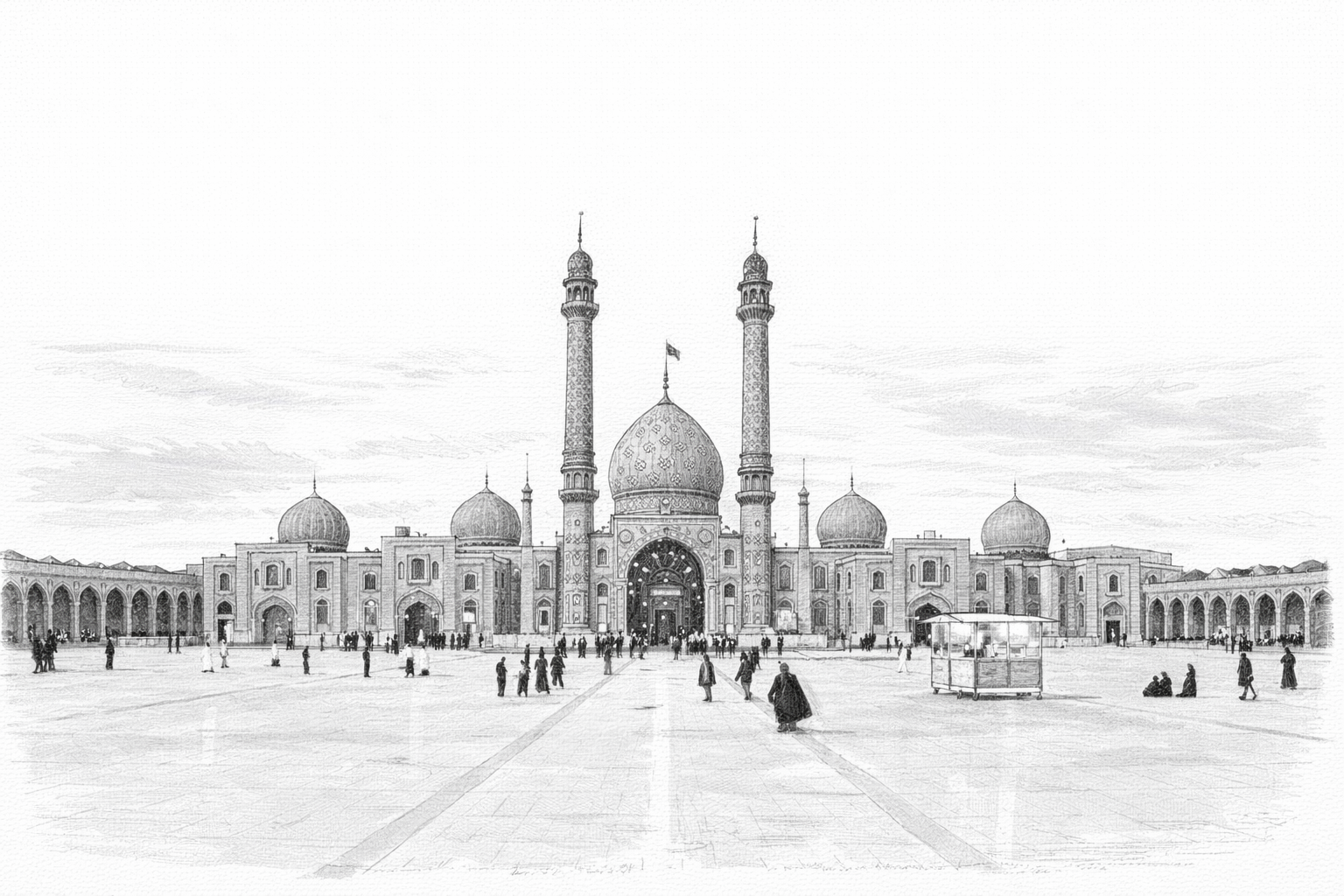
Intro
Situated on the central plateau south of Tehran, Qom has grown into one of the most important cities for Shia religious scholarship. Its seminaries attract students from Iran and abroad, forming networks that contribute to shaping religious discourse and political thought.
Background
Qom’s strategic significance increased during the 20th century, particularly with the rise of clerical activism leading up to the 1979 Revolution. Its proximity to Tehran enhances its political influence, linking clerical networks to national decision-making processes.
History
Historically a regional pilgrimage site, Qom expanded in prominence during the Safavid era. In the modern period, it became the intellectual centre of the clerical establishment. Several major figures of the 1979 Revolution have deep associations with Qom, and its institutions continue to influence Iran’s sociopolitical landscape.
Present Day
Qom remains a focal point for religious education and policymaking. Its demographic growth, expanding seminaries, and institutional networks sustain its role as a key axis of influence within the Islamic Republic.
Future Outlook
Map
Articles
No results found.
Event Timeline
No results found.


