
São Paulo
Intro
Located on Brazil’s southeastern plateau, São Paulo anchors national industry, finance, and services. The city functions as Brazil’s primary interface with global capital and regional supply chains.
Background
Founded as a Jesuit mission, São Paulo expanded rapidly through coffee wealth, industrialization, and mass migration. It emerged in the 20th century as the dominant economic center of Brazil.
History
Jesuit founding
Coffee economy and rail expansion
Industrialization and migration
Financial consolidation
Globalized services and megacity governance
Present Day
São Paulo hosts Brazil’s main financial markets, corporate headquarters, and industrial clusters. Urban governance addresses inequality, mobility, and infrastructure strain at megacity scale.
Future Outlook
São Paulo will remain Brazil’s central economic engine. Long-term resilience depends on transport integration, social inclusion, and environmental management.
Map
Articles



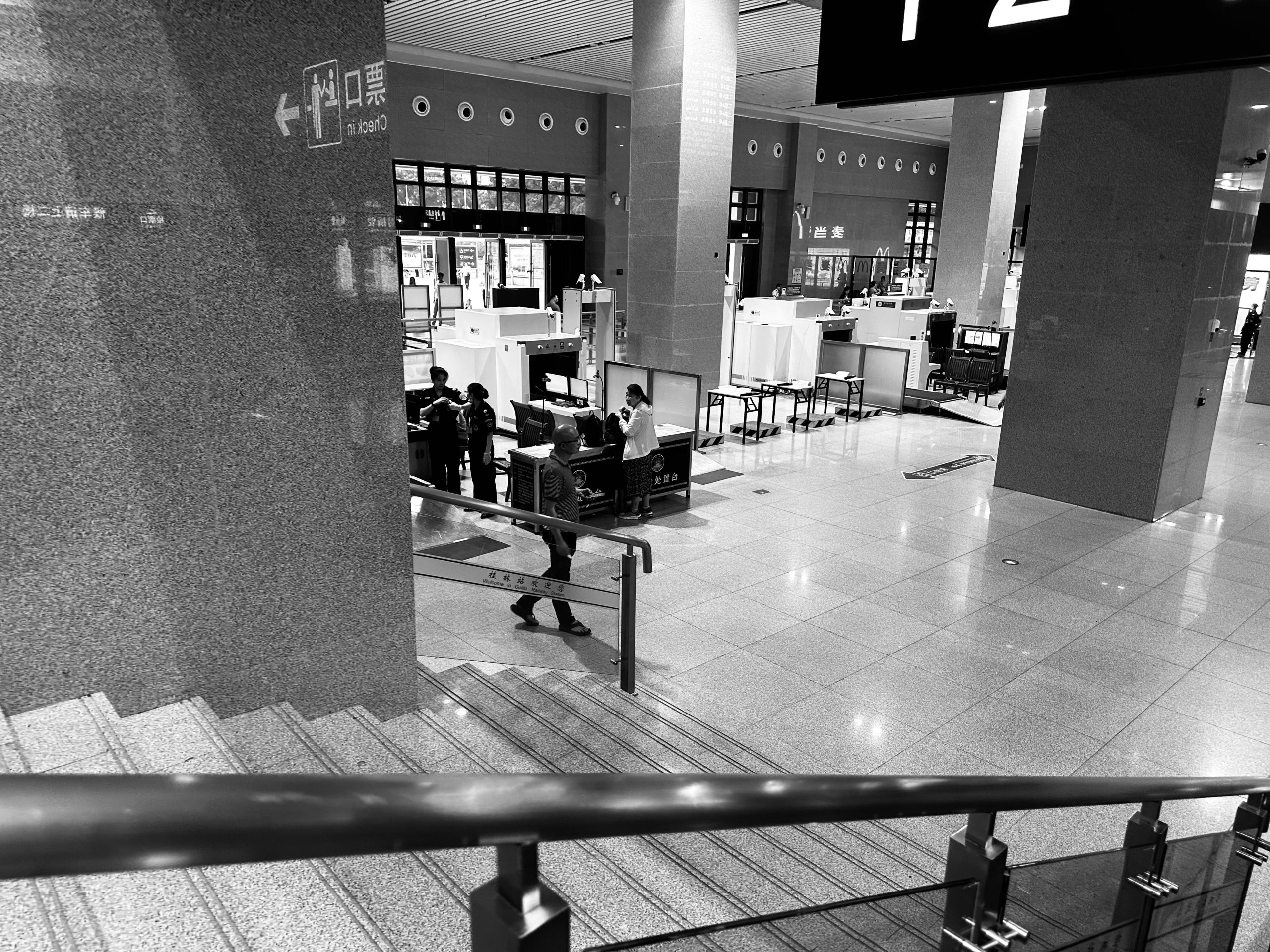
Control is good, trust is better!
It is almost 2025. There is social unrest. A migration crisis? Foreign influences? A retreat to the national is taking . Border controls are being deployed again. People want to be “in control” again. Will this bring back confidence?
Event Timeline

U.S. arrests Nicolás Maduro
U.S. forces arrest Nicolás Maduro in Caracas, removing him from power through external intervention.
British Occupation of Hong Kong Island
British forces landed on Hong Kong Island and claimed it in the name of the Crown following the First Opium War.

Treaty of Nanking Signed
The Treaty of Nanking ended the First Opium War and ceded Hong Kong Island to Britain, formalizing its colonial status.
Kowloon Peninsula Ceded to Britain
The Convention of Peking ceded the southern part of the Kowloon Peninsula to Britain, extending colonial Hong Kong beyond the island.
British Lease of New Territories
Britain signed a 99-year lease with the Qing Empire, adding the New Territories and islands to colonial Hong Kong.
Kowloon Walled City Preserved
Britain leases the New Territories for 99 years but allows China to retain nominal control of the Kowloon Walled City.
Japanese Invasion of Hong Kong
Japan invades British Hong Kong, launching a bloody battle and three years of occupation.
Return to British Control
British forces retook control of Hong Kong from Japan after Japan’s surrender in World War II.


