
Sistan Basin
Intro
The Sistan Basin is a closed endorheic depression shared between southeastern Iran and southwestern Afghanistan. It is one of the most wind-exposed and water-stressed regions in the world, with the Hamun lakes at its centre and the 120-day wind a defining ecological force.
Background
History
The Sistan Basin in southeastern Iran and southwestern Afghanistan was one of the cradles of Bronze Age civilisation. Shahr-e Sukhteh, a city of up to 25,000 people active from 3200 to 1800 BC on the western shore of the Hamun lakes, was a centre of craft production, long-distance trade, and artistic innovation. The basin’s productivity depended entirely on the Helmand River’s annual floods and the storage capacity of the shallow Hamun lakes. Medieval Arab geographers described Sistan as a prosperous and densely settled region. Repeated invasions, including the devastating Mongol campaigns of the 13th century, disrupted its agricultural systems and reduced its population.
Present Day
The Sistan Basin is one of Iran’s most economically marginalised and environmentally stressed regions. The drying of the Hamun lakes has destroyed the fishing and pastoral economy that sustained rural communities for millennia. Seasonal dust storms driven by the Wind of 120 Days have made agriculture nearly impossible in the immediate basin. The city of Zabol is frequently cited as one of the most polluted cities in Iran by particulate matter. The combination of environmental collapse, ethnic marginalisation of the Baluch population, and proximity to Afghanistan’s instability makes the basin a persistent security and humanitarian concern.
Future Outlook
Map
Articles

EU launches Call for EU business to invest in Ukraine’s recovery and reconstruction
The EU launched a Call for Expression of Interest to mobilize private EU investment in critical areas to support Ukraine’s rebuilding efforts. This includes up to €50 billion in grants and loans for the period 2024-2027. Find out how to apply.
Monthly Report on influx of Asylum Seekers in Germany – September 2024
The global trend is slightly downwards this year and in comparison to last year (2023)
Monthly Report on influx of Asylum Seekers in The Netherlands – September 2024
Higher influx than last month. The global trend is slightly downwards this year and in comparison to last year (2023)
Monthly Report on influx of Asylum Seekers in The Netherlands – August 2024
The global trend is slightly downwards this year and in comparison to last year (2023)
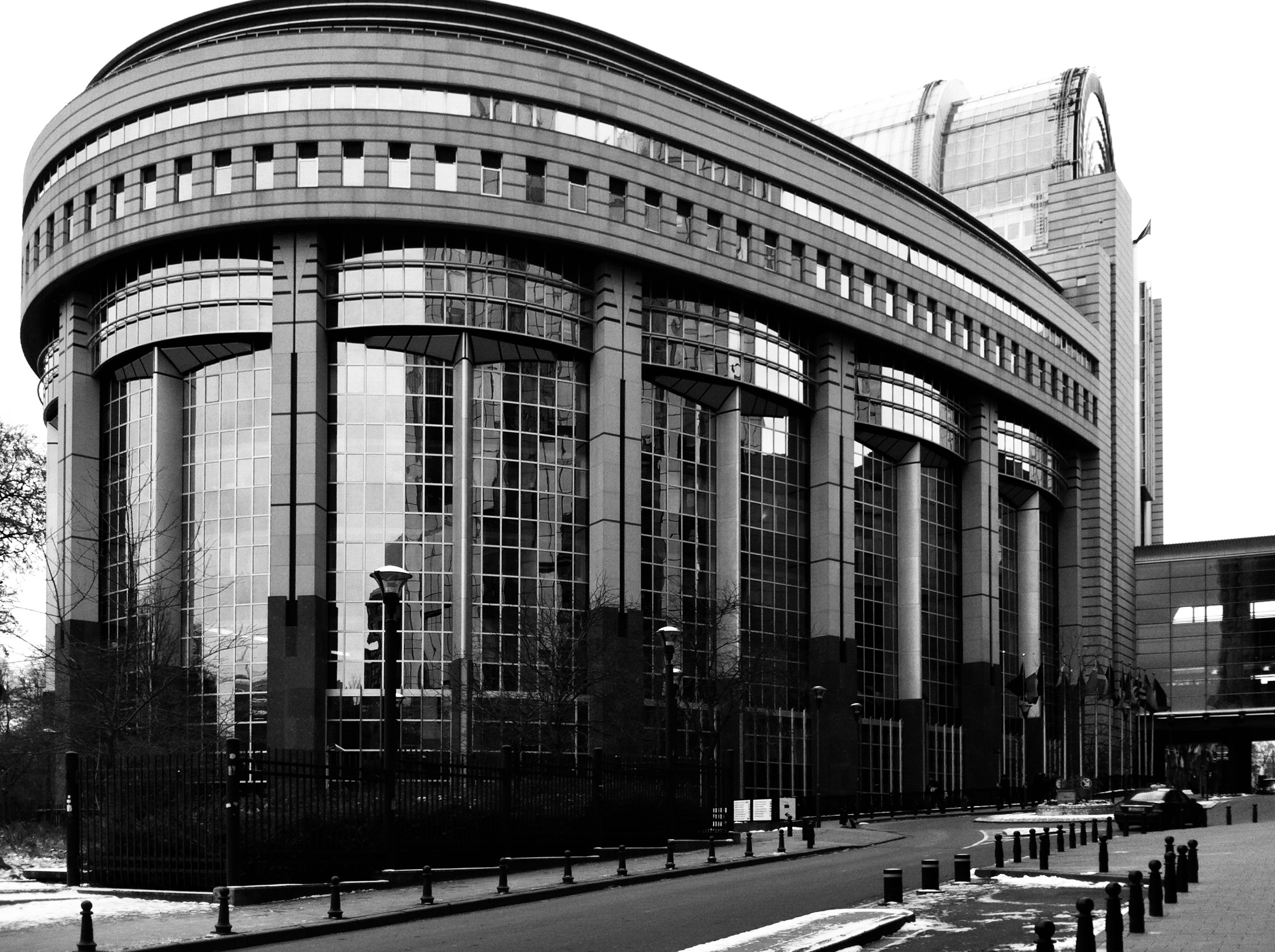
Why You should vote on the european Parliament elections this week
Members of the European Parliament represent citizens of EU countries to address important topics in your daily life. Read more to find out how.
Monthly Report on influx of Asylum Seekers in The Netherlands – April 2024
The Global Trend is currently stable with 2.690 new applications. A higher amount from Unknown Origin (130.

Monthly Report on influx of Asylum Seekers in The Netherlands – March 2024
A minor upward Trend while the majority still originates from Middle East Countries.
Event Timeline
Technocratic Governance and Managed Growth
Between 2002 and 2012, China was governed through a technocratic model emphasizing stability, managed economic growth, and incremental reform under collective leadership.
Convention of Peking
The Convention of Peking ended the Second Opium War and ceded the Kowloon Peninsula south of Boundary Street to Britain.

Second Opium War
The Second Opium War expanded Western military pressure on Qing China, resulting in deeper treaty concessions, legalized opium trade, and intensified foreign presence in imperial affairs.

First Opium War
In June 1839, Chinese official Lin Zexu ordered the destruction of British opium stockpiles in Canton, sparking the First Opium War.
The Long March
The Long March was a strategic retreat by Chinese Communist forces that ensured the survival of the CCP and elevated Mao Zedong as its dominant leader.
Comintern Influence on the Chinese Communist Party
From its founding until the mid-1930s, the Chinese Communist Party (CCP) operated under strong ideological, organizational, and operational influence from the Soviet-led Comintern, shaping leadership struggles and strategy choices until a gradual break during the Long March era.

First Sino-Japanese War
The First Sino-Japanese War exposed the failure of Qing modernization and marked the transfer of regional leadership in East Asia from China to Japan.

Iranian Revolution
In 1979, a mass movement removed the Pahlavi monarchy and established the Islamic Republic, redefining Iran’s political and ideological system.

Reform Movement and the Khatami Presidency
From 1997 to 2005, Iran experienced a reform era focused on civic openness, political participation, and institutional debate.

The Green Movement
In 2009, large-scale protests challenged the presidential election outcome, marking one of the most significant political mobilizations since 1979.


The EU Need To Step Up As Geopolitical Power
1,000 sad days of war in Ukraine. China influence is moving forward. The US turns inward. Time to take action in Europe.