
Sistan Basin
Intro
The Sistan Basin is a closed endorheic depression shared between southeastern Iran and southwestern Afghanistan. It is one of the most wind-exposed and water-stressed regions in the world, with the Hamun lakes at its centre and the 120-day wind a defining ecological force.
Background
History
The Sistan Basin in southeastern Iran and southwestern Afghanistan was one of the cradles of Bronze Age civilisation. Shahr-e Sukhteh, a city of up to 25,000 people active from 3200 to 1800 BC on the western shore of the Hamun lakes, was a centre of craft production, long-distance trade, and artistic innovation. The basin’s productivity depended entirely on the Helmand River’s annual floods and the storage capacity of the shallow Hamun lakes. Medieval Arab geographers described Sistan as a prosperous and densely settled region. Repeated invasions, including the devastating Mongol campaigns of the 13th century, disrupted its agricultural systems and reduced its population.
Present Day
The Sistan Basin is one of Iran’s most economically marginalised and environmentally stressed regions. The drying of the Hamun lakes has destroyed the fishing and pastoral economy that sustained rural communities for millennia. Seasonal dust storms driven by the Wind of 120 Days have made agriculture nearly impossible in the immediate basin. The city of Zabol is frequently cited as one of the most polluted cities in Iran by particulate matter. The combination of environmental collapse, ethnic marginalisation of the Baluch population, and proximity to Afghanistan’s instability makes the basin a persistent security and humanitarian concern.
Future Outlook
Map
Articles



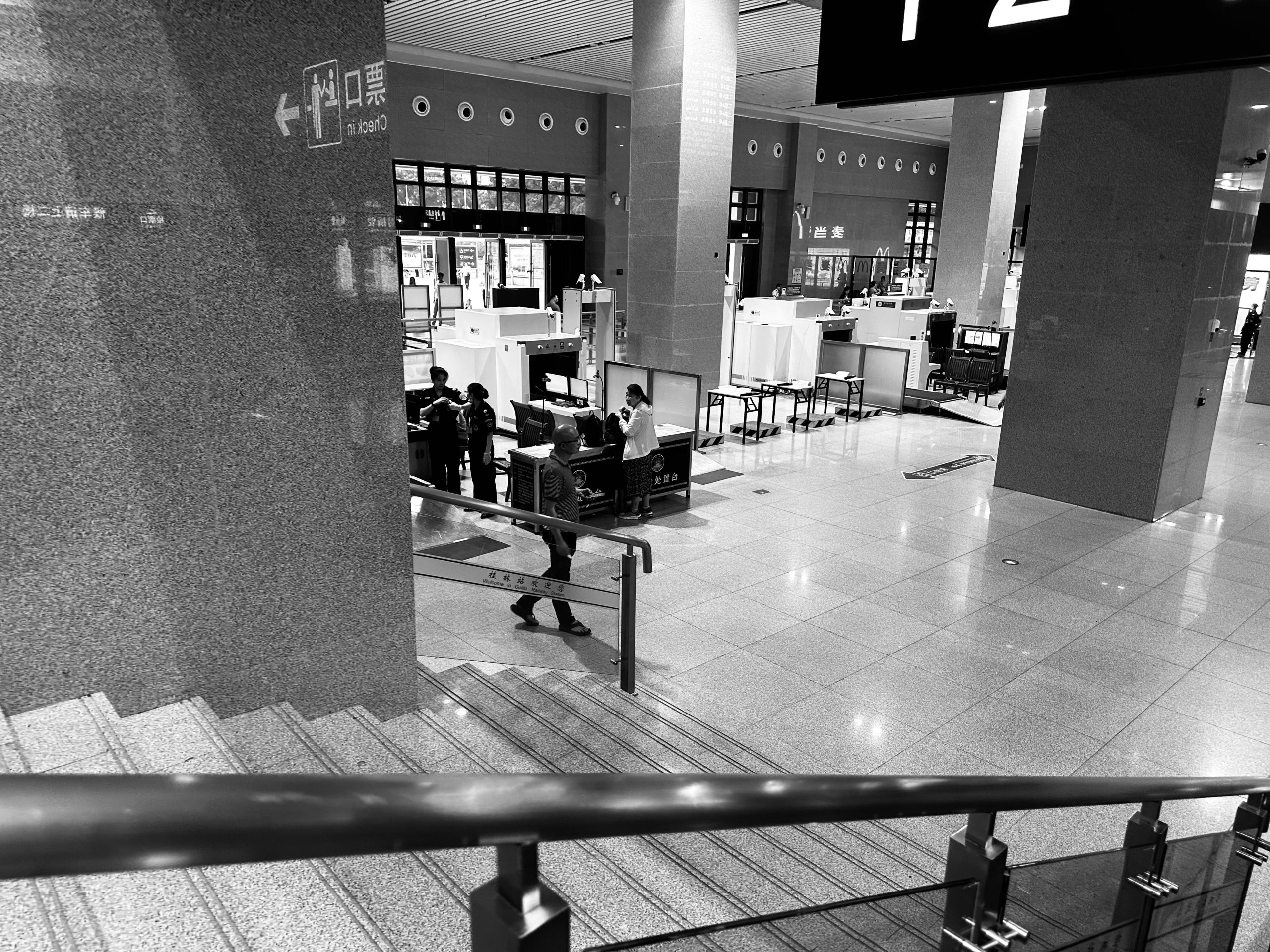
Control is good, trust is better!
It is almost 2025. There is social unrest. A migration crisis? Foreign influences? A retreat to the national is taking . Border controls are being deployed again. People want to be “in control” again. Will this bring back confidence?
Event Timeline

U.S. arrests Nicolás Maduro
U.S. forces arrest Nicolás Maduro in Caracas, removing him from power through external intervention.
British Occupation of Hong Kong Island
British forces landed on Hong Kong Island and claimed it in the name of the Crown following the First Opium War.

Treaty of Nanking Signed
The Treaty of Nanking ended the First Opium War and ceded Hong Kong Island to Britain, formalizing its colonial status.
Kowloon Peninsula Ceded to Britain
The Convention of Peking ceded the southern part of the Kowloon Peninsula to Britain, extending colonial Hong Kong beyond the island.
British Lease of New Territories
Britain signed a 99-year lease with the Qing Empire, adding the New Territories and islands to colonial Hong Kong.
Kowloon Walled City Preserved
Britain leases the New Territories for 99 years but allows China to retain nominal control of the Kowloon Walled City.
Japanese Invasion of Hong Kong
Japan invades British Hong Kong, launching a bloody battle and three years of occupation.
Return to British Control
British forces retook control of Hong Kong from Japan after Japan’s surrender in World War II.


