
Hamun Wetlands
Intro
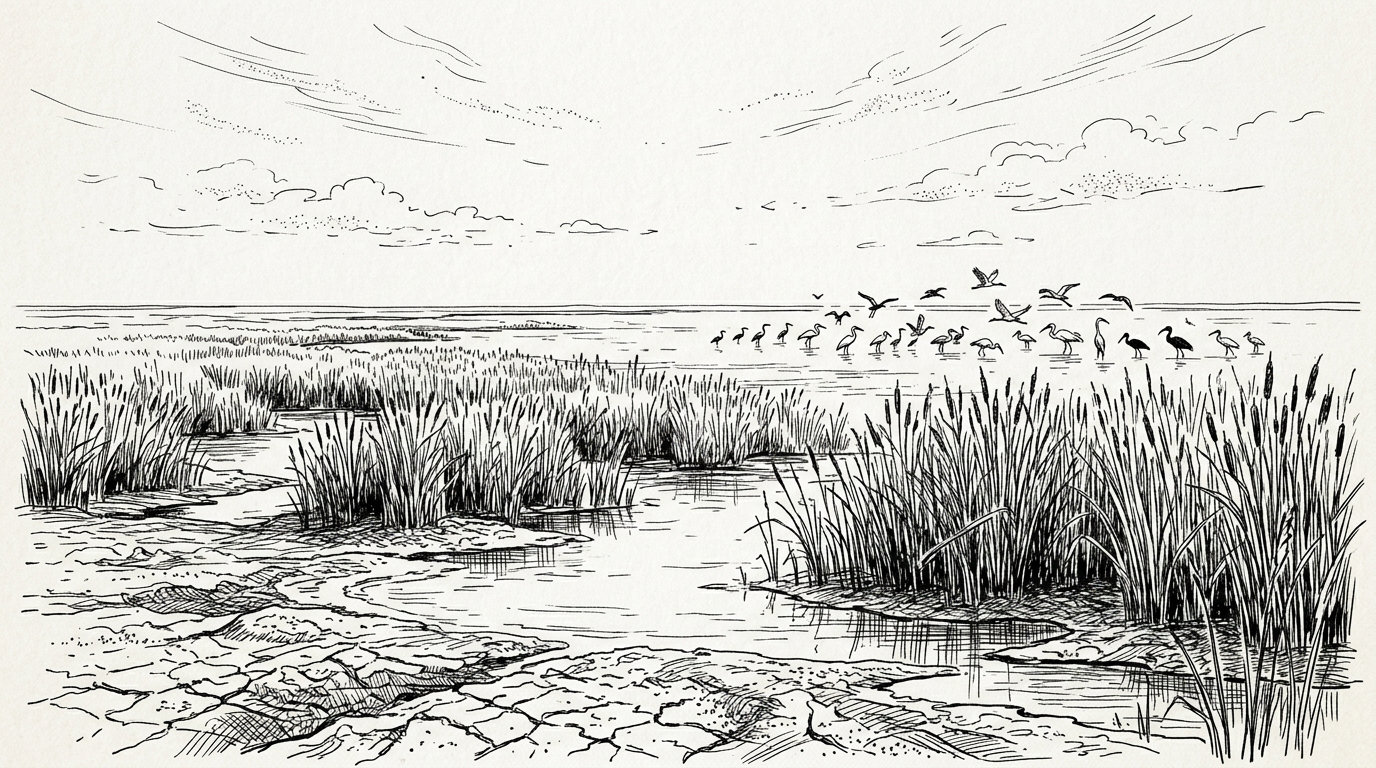
The Hamun wetlands are a system of shallow lakes in the Sistan Basin on the Iran-Afghanistan border. Historically one of the largest wetland complexes in Asia, they depend on the Helmand River flowing from Afghanistan. Prolonged drought and upstream water management have caused near-total collapse of the wetland ecosystem.
Background
History
The Hamun wetlands were among the most productive ecosystems in eastern Iran for thousands of years, supporting fishing, hunting, pastoralism, and agriculture along the shores of the shallow lakes. Ancient Sistan was one of the most densely settled regions of the Iranian world, and the Bronze Age city of Shahr-e Sukhteh on the Hamun’s western edge was one of the largest urban centres of its time. Persian, Arab, and later Mongol and Safavid rulers all recognised Sistan as a valuable agricultural and strategic region. The lakes fluctuated dramatically with the Helmand River’s seasonal flows, and periods of drought or upstream diversion caused periodic collapses of the regional economy.
Present Day
The Hamun wetlands are in a state of near-total ecological collapse. The combination of upstream dam construction in Afghanistan – particularly the Kajaki Dam and numerous smaller structures – and severe multi-year drought has reduced water flows in the Helmand to a fraction of historical levels. The lakes dried almost completely in the early 2000s and have only partially recovered in wet years. The Wind of 120 Days, a strong seasonal wind from Central Asia, drives dust storms across the dried lake beds throughout the summer, making the area around Zabol one of Iran’s most environmentally stressed regions. Rural depopulation has been extensive.
Future Outlook
Map
Articles

EU launches Call for EU business to invest in Ukraine’s recovery and reconstruction
The EU launched a Call for Expression of Interest to mobilize private EU investment in critical areas to support Ukraine’s rebuilding efforts. This includes up to €50 billion in grants and loans for the period 2024-2027. Find out how to apply.
Monthly Report on influx of Asylum Seekers in Germany – September 2024
The global trend is slightly downwards this year and in comparison to last year (2023)
Monthly Report on influx of Asylum Seekers in The Netherlands – September 2024
Higher influx than last month. The global trend is slightly downwards this year and in comparison to last year (2023)
Monthly Report on influx of Asylum Seekers in The Netherlands – August 2024
The global trend is slightly downwards this year and in comparison to last year (2023)
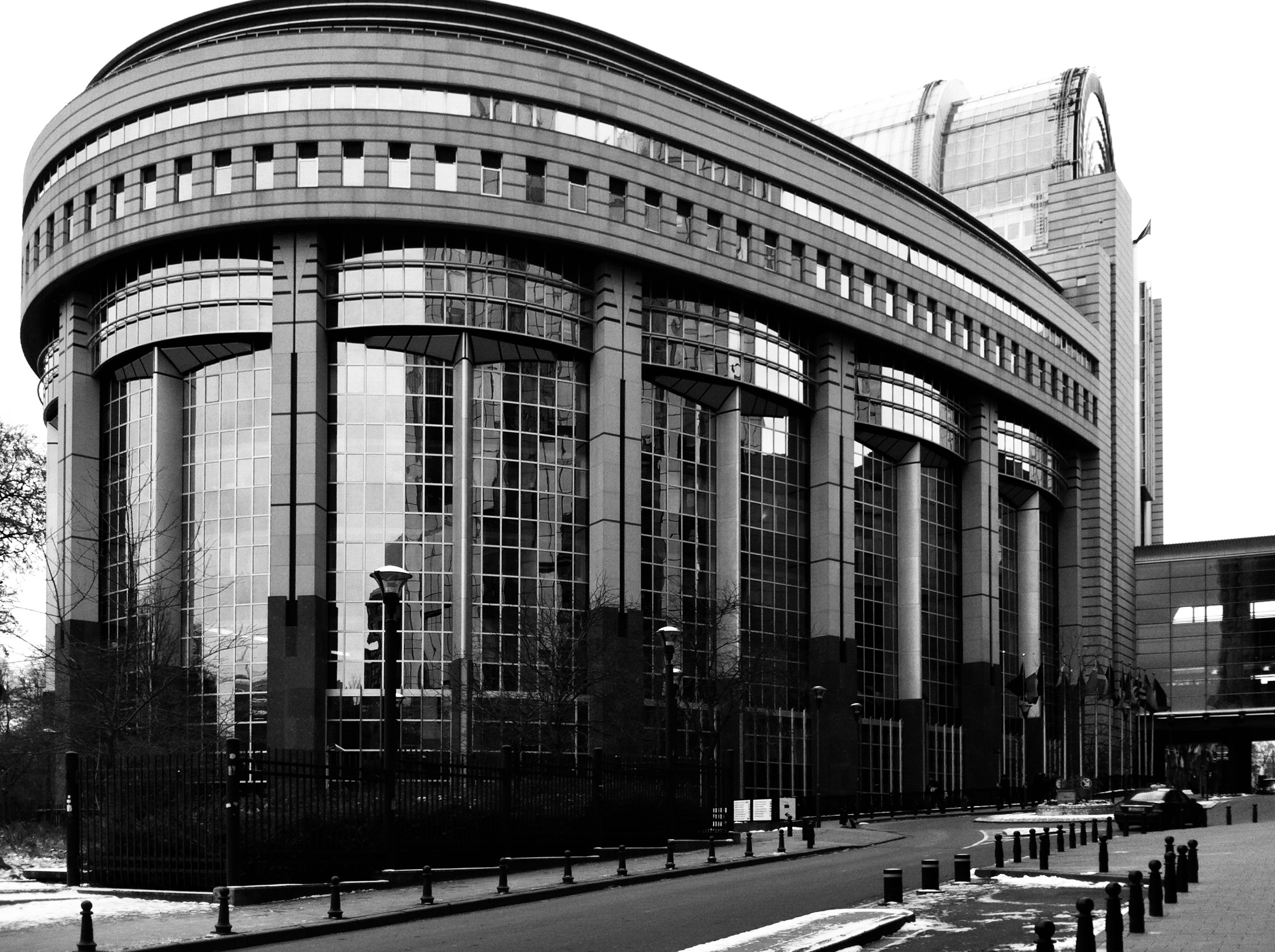
Why You should vote on the european Parliament elections this week
Members of the European Parliament represent citizens of EU countries to address important topics in your daily life. Read more to find out how.
Monthly Report on influx of Asylum Seekers in The Netherlands – April 2024
The Global Trend is currently stable with 2.690 new applications. A higher amount from Unknown Origin (130.
Monthly Report on influx of Asylum Seekers in The Netherlands – March 2024
A minor upward Trend while the majority still originates from Middle East Countries.
Event Timeline

Polish-Lithuanian Rule over Ukraine
Before Moscow, there was Lublin. The Polish–Lithuanian Commonwealth laid the groundwork for Western Ukrainian identity — and for centuries of contested rule.


The EU Need To Step Up As Geopolitical Power
1,000 sad days of war in Ukraine. China influence is moving forward. The US turns inward. Time to take action in Europe.