
Dasht-e Kavir
Intro
Dasht-e Kavir, also known as the Great Salt Desert, is one of the two major deserts of Iran. It covers approximately 77,000 square kilometres in north-central Iran. The terrain consists of salt marshes, mudflats, and sand dunes and is largely impassable.
Background
History
The Dasht-e Kavir has been a barrier and a mystery throughout Iranian history. Its salt crusts, treacherous mud beneath the surface, and extreme temperatures made crossing almost impossible without local knowledge. Caravans avoided the interior and traced routes around the edges, connecting Tehran, Isfahan, and Khorasan through the oasis towns of Qom, Kashan, and Semnan on the northern and western margins. The desert’s isolation made it a natural boundary between the settled plateau cities and the nomadic and semi-nomadic populations of the east. No major empire made systematic use of the interior; it was simply avoided.
Present Day
The Dasht-e Kavir today is sparsely inhabited. Its eastern and southern margins contain small oasis settlements sustained by qanats. The desert is used for military testing and has strategic significance as a vast unpopulated buffer zone. Climate change is expanding the desert’s effective boundary as aquifer depletion reduces the extent of irrigated agriculture on its margins. Salt dust storms from the dried surfaces of seasonal lakes within the desert are an increasing environmental problem for surrounding provinces.
Future Outlook
Map
Articles



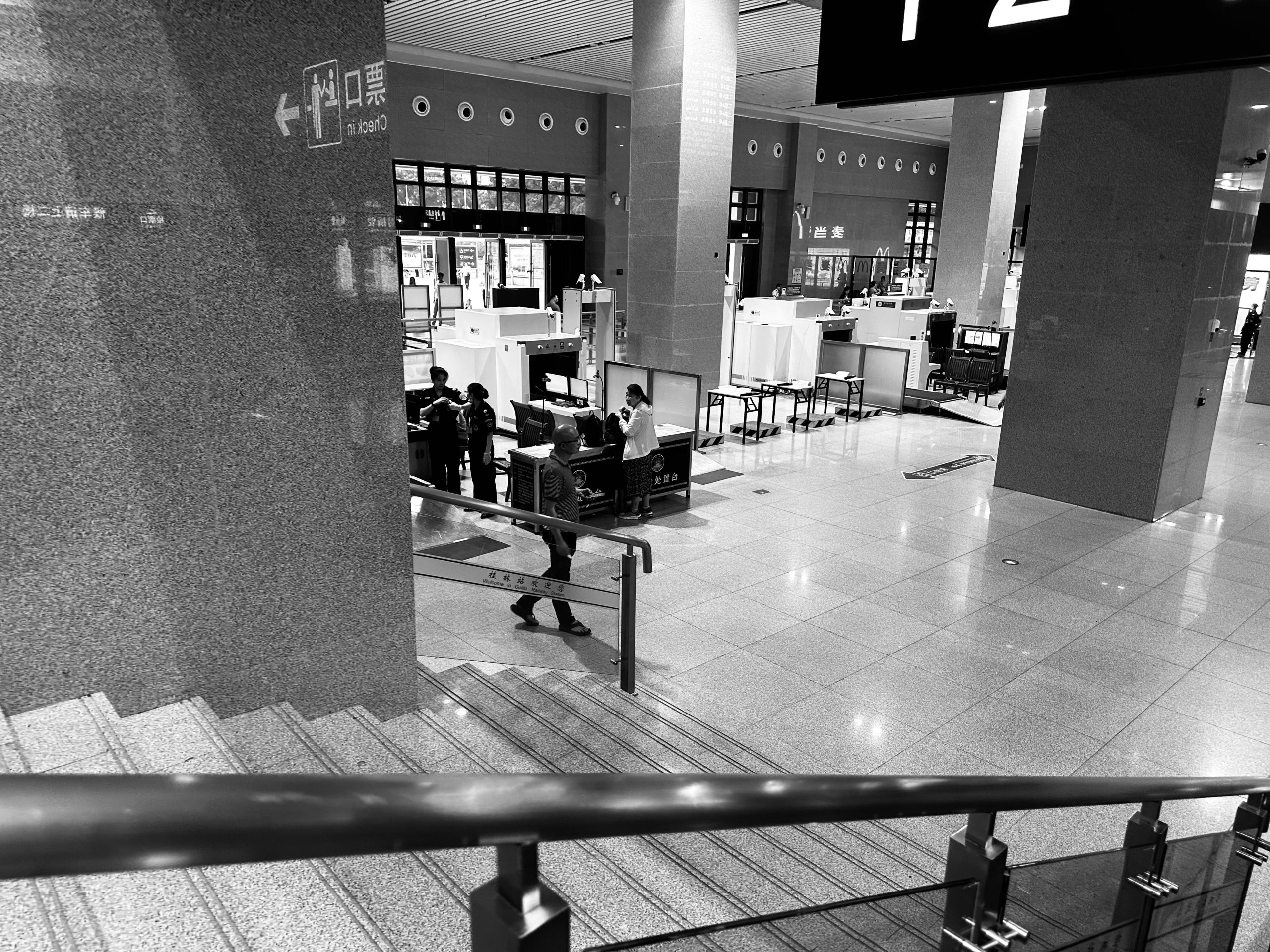
Control is good, trust is better!
It is almost 2025. There is social unrest. A migration crisis? Foreign influences? A retreat to the national is taking . Border controls are being deployed again. People want to be “in control” again. Will this bring back confidence?
Event Timeline

U.S. arrests Nicolás Maduro
U.S. forces arrest Nicolás Maduro in Caracas, removing him from power through external intervention.
British Occupation of Hong Kong Island
British forces landed on Hong Kong Island and claimed it in the name of the Crown following the First Opium War.

Treaty of Nanking Signed
The Treaty of Nanking ended the First Opium War and ceded Hong Kong Island to Britain, formalizing its colonial status.
Kowloon Peninsula Ceded to Britain
The Convention of Peking ceded the southern part of the Kowloon Peninsula to Britain, extending colonial Hong Kong beyond the island.
British Lease of New Territories
Britain signed a 99-year lease with the Qing Empire, adding the New Territories and islands to colonial Hong Kong.
Kowloon Walled City Preserved
Britain leases the New Territories for 99 years but allows China to retain nominal control of the Kowloon Walled City.
Japanese Invasion of Hong Kong
Japan invades British Hong Kong, launching a bloody battle and three years of occupation.
Return to British Control
British forces retook control of Hong Kong from Japan after Japan’s surrender in World War II.


