
Iranian Central Plateau
Intro
The Iranian Central Plateau is a vast elevated arid zone covering much of central Iran, including the Dasht-e Kavir and Dasht-e Lut deserts. Provinces including Yazd, Kerman, Isfahan, and Semnan sit on this plateau. The region faces critical groundwater depletion as surface water is scarce and agricultural and urban demand has exceeded recharge rates.
Background
History
The Iranian Central Plateau is one of the oldest continuously settled landscapes in the world. Prehistoric sites including Sialk near Kashan demonstrate urban organisation dating to the sixth millennium BC. Through the Bronze Age and Iron Age successive cultures exploited the plateau’s aquifer systems and developed the qanat underground canal technology that made large-scale settlement possible in the arid interior. The Median, Achaemenid, Parthian, and Sassanid empires all drew on the plateau’s human and agricultural resources. The Islamic conquest of the seventh century brought new administrative structures but did not fundamentally alter the plateau’s settlement geography, which remained organised around water access through qanats and seasonal rivers.
Present Day
The Central Plateau today is Iran’s most water-stressed region. Aquifer depletion is occurring at rates of one to three metres per year across most of the plateau’s major basins. Land subsidence caused by groundwater extraction has been measured at 25 to 35 centimetres per year in parts of the Isfahan and Tehran plains. Cities including Isfahan, Yazd, Kerman, and Kashan face structural threats to their long-term water security. The plateau’s agricultural economy, which depends almost entirely on groundwater, is contracting in areas where wells have run dry.
Future Outlook
Map
Articles

Control is good, trust is better!
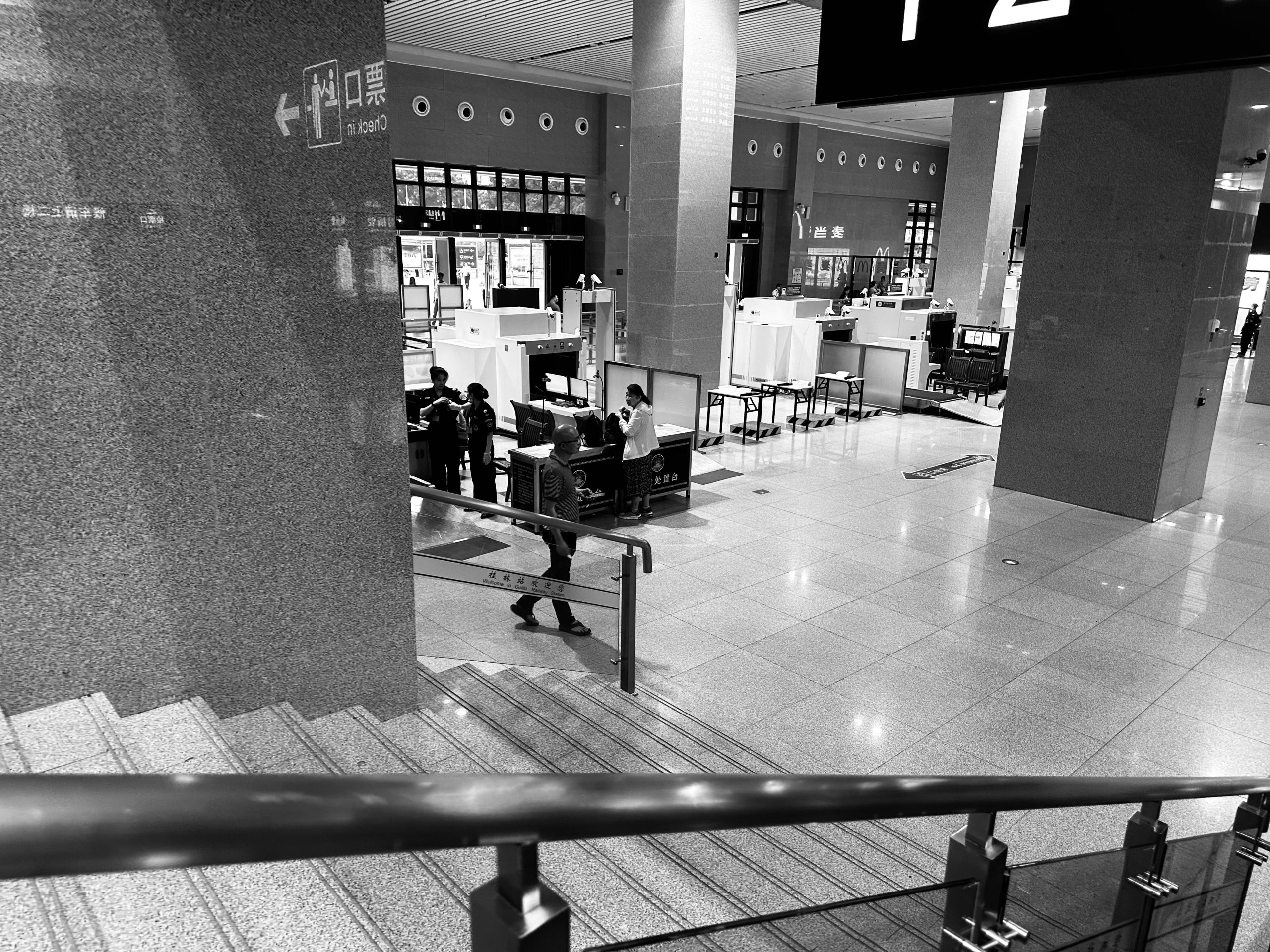
It is almost 2025. There is social unrest. A migration crisis? Foreign influences? A retreat to the national is taking . Border controls are being deployed again. People want to be “in control” again. Will this bring back confidence?
Event Timeline
Technocratic Governance and Managed Growth
Between 2002 and 2012, China was governed through a technocratic model emphasizing stability, managed economic growth, and incremental reform under collective leadership.
Convention of Peking
The Convention of Peking ended the Second Opium War and ceded the Kowloon Peninsula south of Boundary Street to Britain.

Second Opium War
The Second Opium War expanded Western military pressure on Qing China, resulting in deeper treaty concessions, legalized opium trade, and intensified foreign presence in imperial affairs.

First Opium War
In June 1839, Chinese official Lin Zexu ordered the destruction of British opium stockpiles in Canton, sparking the First Opium War.
The Long March
The Long March was a strategic retreat by Chinese Communist forces that ensured the survival of the CCP and elevated Mao Zedong as its dominant leader.
Comintern Influence on the Chinese Communist Party
From its founding until the mid-1930s, the Chinese Communist Party (CCP) operated under strong ideological, organizational, and operational influence from the Soviet-led Comintern, shaping leadership struggles and strategy choices until a gradual break during the Long March era.

First Sino-Japanese War
The First Sino-Japanese War exposed the failure of Qing modernization and marked the transfer of regional leadership in East Asia from China to Japan.

Iranian Revolution
In 1979, a mass movement removed the Pahlavi monarchy and established the Islamic Republic, redefining Iran’s political and ideological system.

Reform Movement and the Khatami Presidency
From 1997 to 2005, Iran experienced a reform era focused on civic openness, political participation, and institutional debate.

The Green Movement
In 2009, large-scale protests challenged the presidential election outcome, marking one of the most significant political mobilizations since 1979.


