
Damascus
Intro
Situated at the edge of the Syrian desert and sustained by the Barada oasis, Damascus functions as Syria’s political and administrative core. It hosts the presidency, security services, and the institutions through which the Assad regime exercises authority.
Background
Damascus’s strategic relevance lies in regime control rather than national integration. Since the outbreak of the Syrian civil war, the city has remained firmly under government control, serving as the command centre for military operations, internal security, and coordination with allied external actors.
History
One of the world’s oldest continuously inhabited cities, Damascus has served as an imperial and regional capital for successive empires. In the modern era, it became the capital of independent Syria in 1946. The Ba’athist takeover and later Assad dynasty embedded centralized, security-driven governance in the city. During the civil war, Damascus avoided full-scale collapse but became increasingly dependent on foreign military and political support.
Present Day
Damascus remains the seat of the Syrian state, though sovereignty is constrained by economic collapse, sanctions, and external influence. Governance is highly centralized, security-heavy, and focused on regime survival, while reconstruction and normalization efforts remain limited and uneven.
Future Outlook
Map
Articles



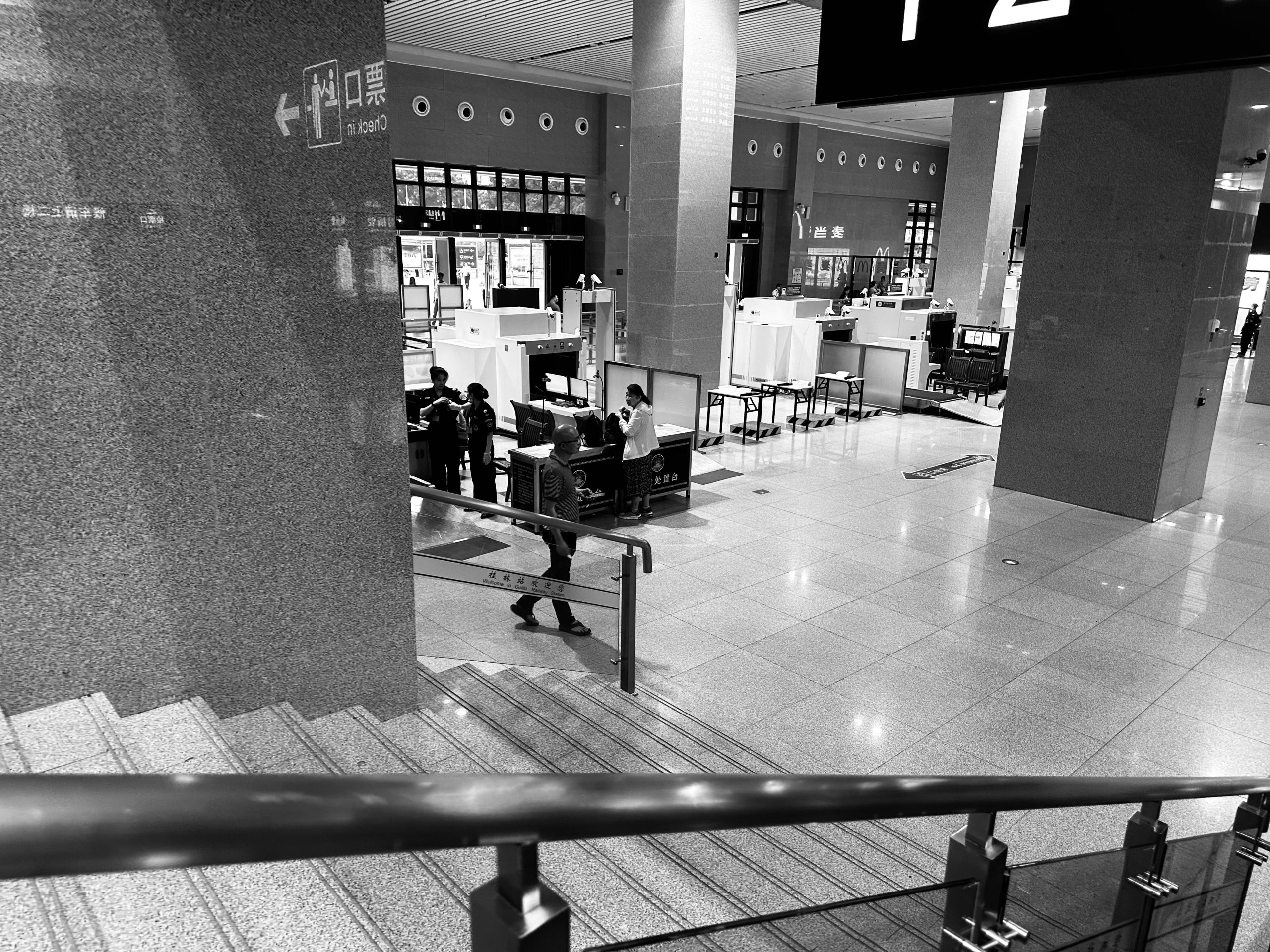
Control is good, trust is better!
It is almost 2025. There is social unrest. A migration crisis? Foreign influences? A retreat to the national is taking . Border controls are being deployed again. People want to be “in control” again. Will this bring back confidence?
Event Timeline

Polish-Lithuanian Rule over Ukraine
Before Moscow, there was Lublin. The Polish–Lithuanian Commonwealth laid the groundwork for Western Ukrainian identity — and for centuries of contested rule.


