
South Korea
Intro
Seoul’s foreign policy merges economic diplomacy, alliance management, and deterrence posture. The country is an innovation hub across semiconductors, shipbuilding, batteries, and media.
Background
From authoritarian growth to democratic consolidation, Korea’s trajectory mirrors modernization’s dualities: global competitiveness and domestic social strain. Rising costs and inequality challenge long-term cohesion, while military readiness defines national psyche.
History
- 1953: Korean War Armistice – 1987: Democratic transition – 2000s: Technological globalization – 2020s: Strategic balancing amid U.S.-China rivalry
Present Day
Seoul diversifies trade partners, enhances missile defense, and invests in global media and innovation as a projection of influence beyond East Asia.
Future Outlook
South Korea aims to sustain tech and soft-power advantage while managing demographic decline. Defense reform and regional diplomacy seek to avoid escalation yet maintain deterrence credibility.
Map
Topics
Persons
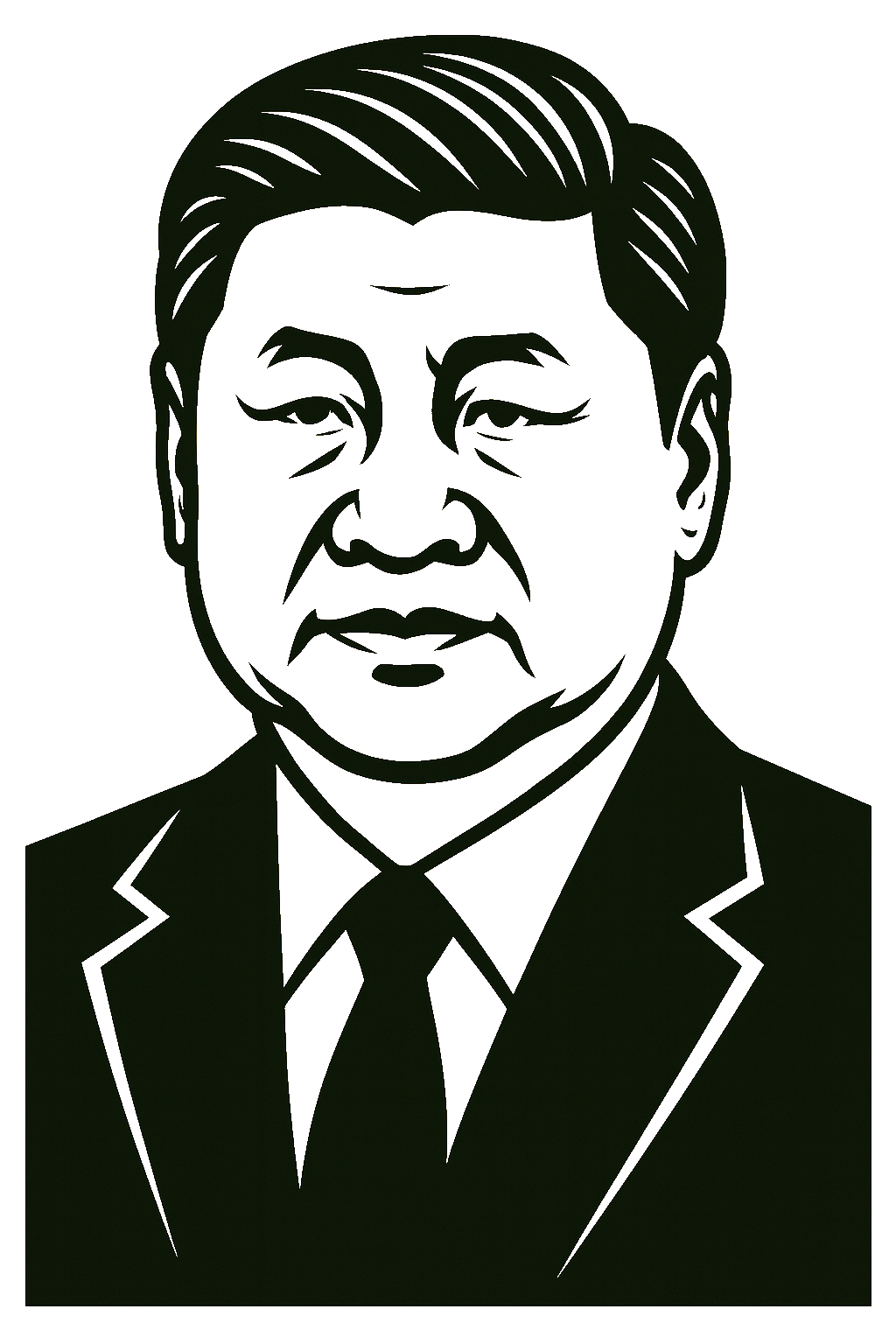
Xi Jinping
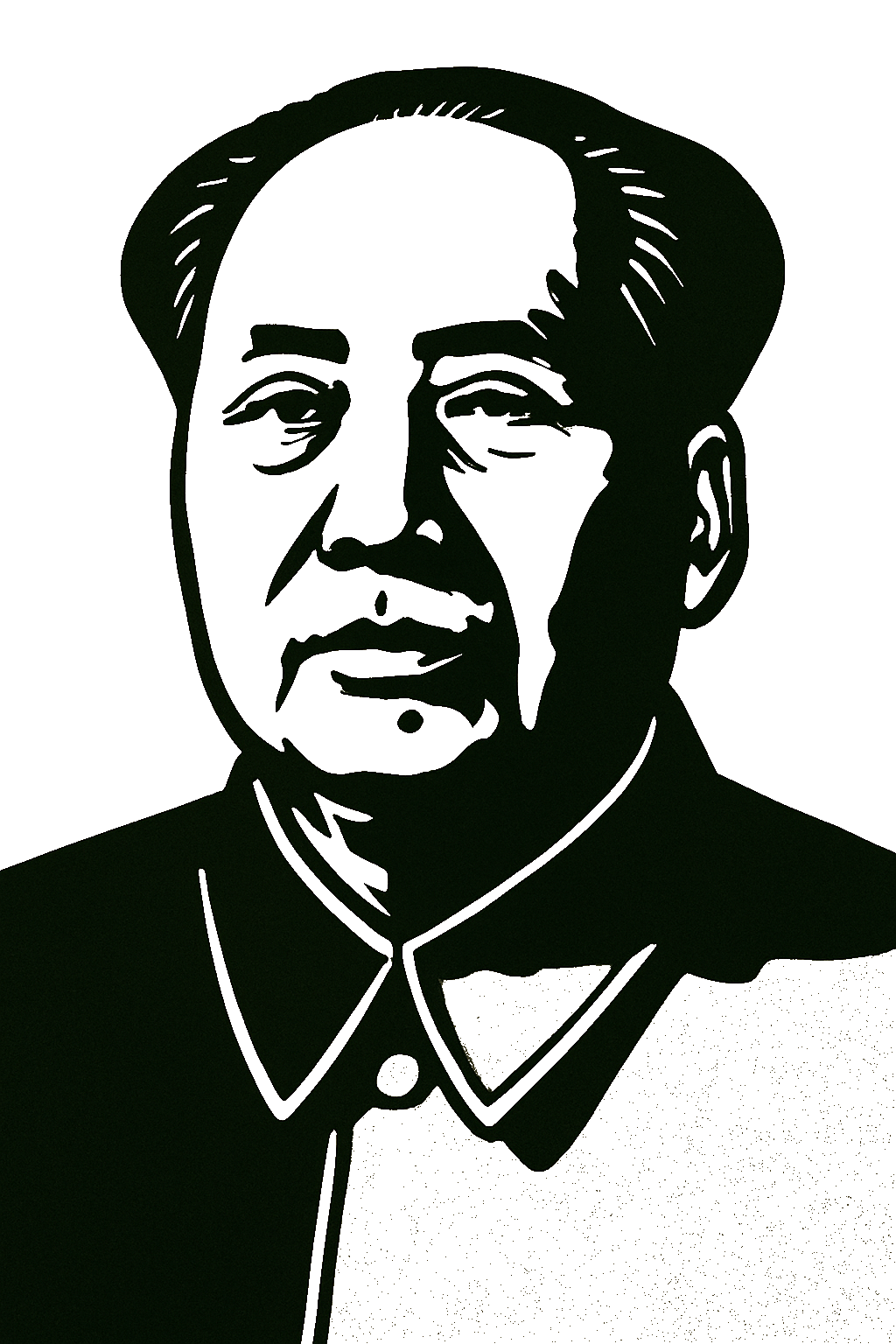
Mao Zedong
Locations

Hong Kong Island
Aberdeen


Articles

The Hong Kong fire will change China’s Real Estate sector
China’s real estate sector is shaped by deeper pressures than market cycles alone.
Demographics, oversight consistency, due-diligence gaps and investment confidence now intersect in ways that define the sector’s next phase.

China’s Fourth Plenum — Xi Tightens Control as Party Sets Course for the Next Five Years
Planning the future – the news between the lines.
Event Timeline

British Occupation of Hong Kong Island
British forces landed on Hong Kong Island and claimed it in the name of the Crown following the First Opium War.


