
Date: 18 March 2014
From the ashes of empire, Ukraine emerged — not as a province, but as a people with a voice. 24 August 1991 marked the rebirth of a sovereign nation.
Background
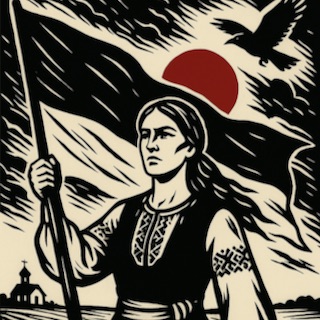
On 24 August 1991, amid the collapsing Soviet order, Ukraine’s parliament declared independence. The move came just days after the failed coup attempt by hardliners in Moscow — a final blow to Gorbachev’s already teetering authority.
The declaration was followed by a nationwide referendum on 1 December 1991. Over 90% of voters — with overwhelming support in every region — backed full independence. Ukraine’s Soviet-era leader, Leonid Kravchuk, was elected the country’s first president.
Ukraine’s secession struck a fatal blow to the USSR. When Ukraine walked out, the Soviet Union could not stand. The Belavezha Accords, signed days later with Russia and Belarus, dissolved the USSR entirely. Ukraine was now sovereign — with inherited nuclear weapons, fragile institutions, and unresolved borders.
Key Moment
The signing of the Declaration of Independence on 24 August 1991 in the Verkhovna Rada (parliament) chamber in Kyiv.
Legacy
- Dissolution of the Soviet Union
- Creation of an independent Ukrainian state
- Long-term questions over identity, language, and foreign alignment
Narratives
🇪🇺 Europe
An opportunity — and a challenge. The West cheered the fall of the USSR, but underestimated the fragility of the new states, especially Ukraine.
🇷🇺 Russia
A rupture in the family. Many viewed Ukraine’s departure as a loss of heritage, power, and shared history. Some never accepted it.
🇺🇦 Ukraine
A long-awaited homecoming. Ukraine’s freedom was not gifted — it was reclaimed. But independence was only the beginning of a difficult journey.
References & Quotes
- Plokhy, Serhii. The Gates of Europe.
- Wilson, Andrew. The Ukrainians: Unexpected Nation.
- Ukrainian Parliament Archives, Referendum Commission Reports.
Related
Key Figures
- Kravchuk, Gorbachev, Yeltsin
Related Locations
- Russia, Ukraine, USSR