
Bosnia and Herzegovina
Intro
The country’s tripartite power-sharing model reflects the legacy of the 1992-1995 war. Bosnia is supervised by an international High Representative and aspires to EU and NATO membership. Economic growth is modest and heavily dependent on remittances.
Background
The Dayton Peace Agreement (1995) ended one of Europe’s bloodiest post-Cold War conflicts. Ethnic division persists through parallel institutions in the Federation and Republika Srpska. EU integration is gradual, constrained by governance reform and external influence from Serbia and Russia.
History
- 1992: Independence and start of Bosnian War – 1995: Dayton Peace Agreement establishes federal structure – 2004: NATO-led stabilization mission replaced by EUFOR – 2022: EU candidate status granted – 2020s: Ongoing reform and national unity efforts
Present Day
In 2025, Bosnia navigates between stagnation and gradual EU reform under renewed regional mediation. Security remains stable but fragile under external pressure from Russia and local nationalist movements.
Future Outlook
Progress toward EU integration depends on constitutional reform and centralized governance. Sustained international oversight remains necessary for stability.
Map
Topics
Persons
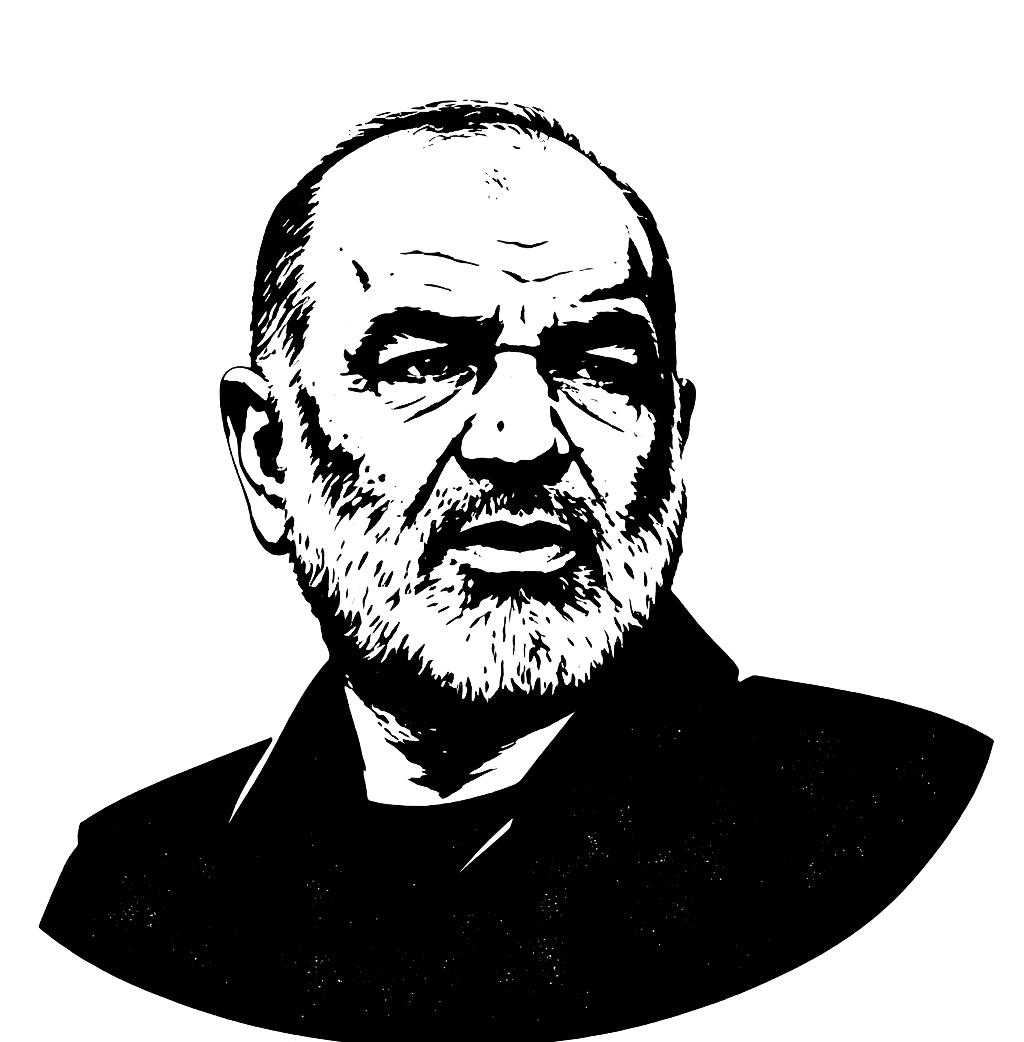
Hossein Salami
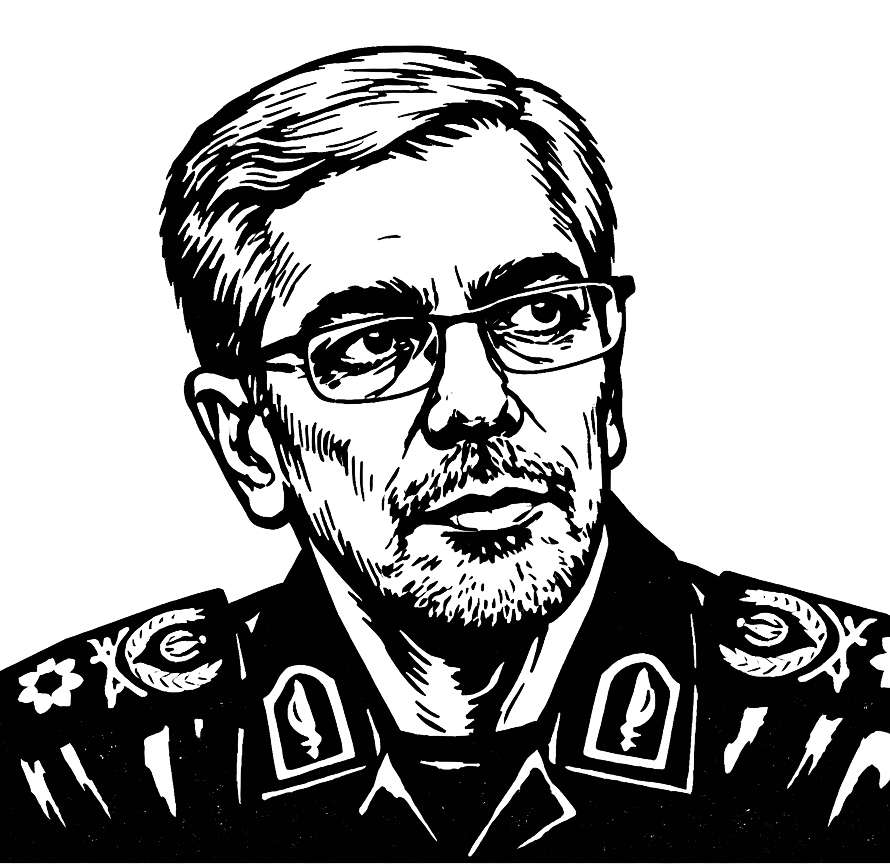
Mohammad Bagheri
Benny Gantz
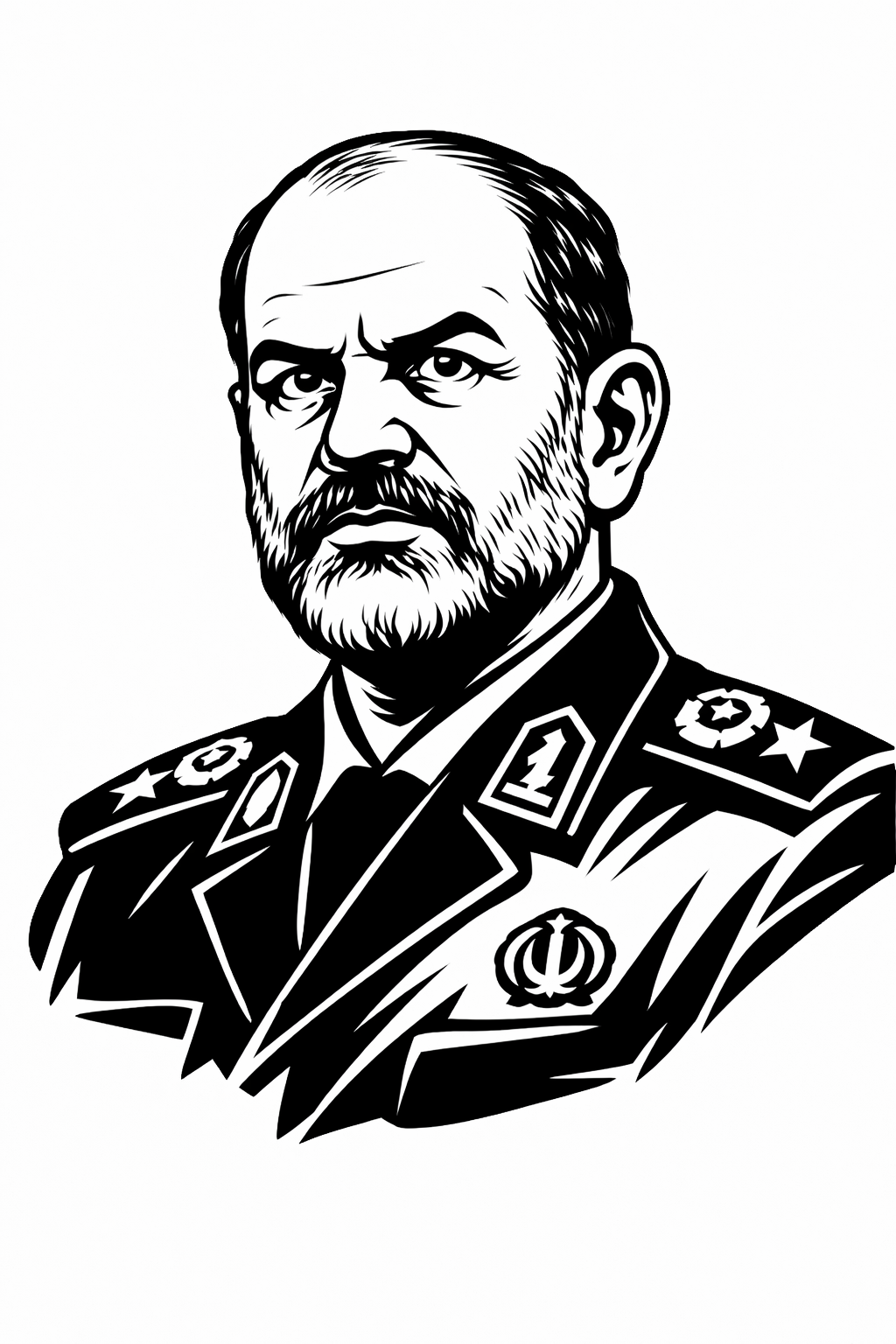
Ahmad Vahidi
Qasem Soleimani
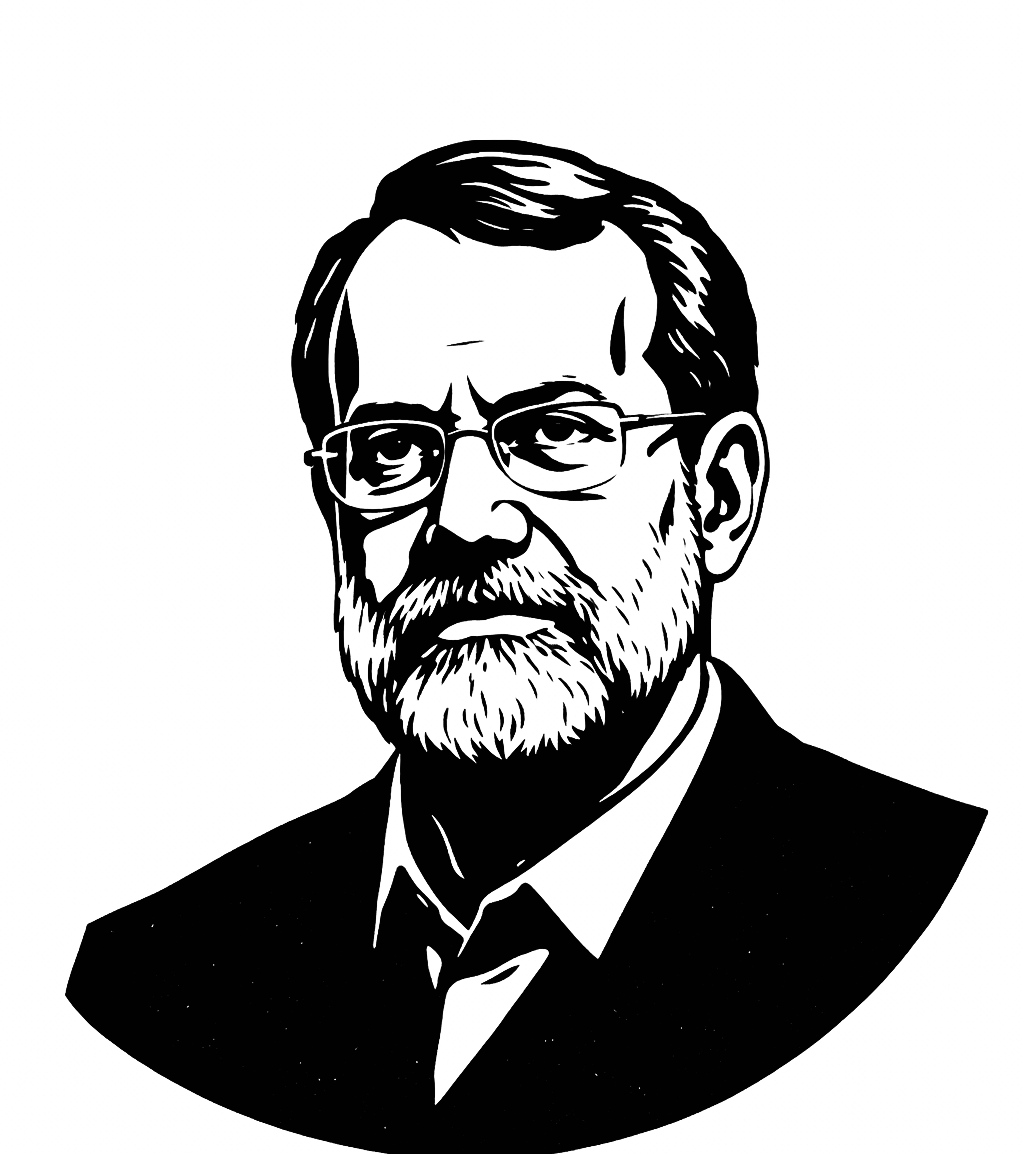
Ali Larijani
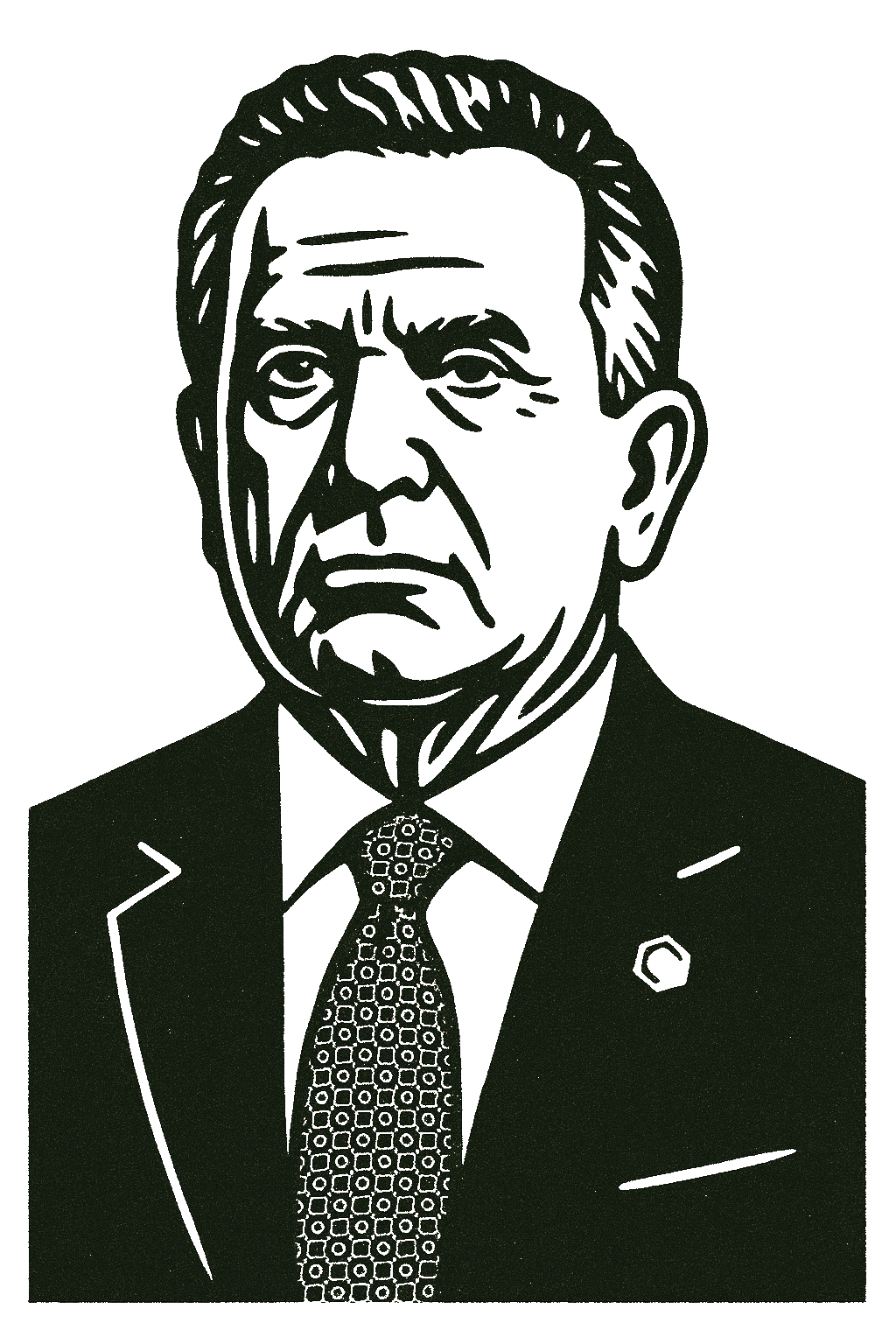
Steve Witkoff
Ismail Qaani
Israel Katz
Locations
Italy
Central America
Myanmar
South Korea
Guangxi Zhuang Autonomous Region
Colombia
Spain
Donetsk Oblast
Iraq
Sudan
Points of Interest
No results found.
Articles


Event Timeline

Pereyaslav Agreement with Tsarist Russia
The Pereyaslav Agreement between the Cossack Hetmanate and Tsarist Russia marked the beginning of Ukraine’s alignment with Russia, which would evolve into centuries of political, military, and cultural influence.

Union of Lublin – Polish Lithuanian Commonwealth
Before Moscow, there was Lublin. The Polish–Lithuanian Commonwealth laid the groundwork for Western Ukrainian identity — and for centuries of contested rule.

Eurasian Peace Talks
A Summer-offensive is at hand – though strategic talks are still possible.

Crimea Annexation by Russia
In the shadow of Ukraine’s Maidan uprising, Russian forces seized control of Crimea. What followed was a swift, illegal annexation — a violation of international norms that shattered post–Cold War assumptions and launched a new era of geopolitical confrontation.

The Hanseatic League
Beginning in the 14th century, a group of northern European cities formed a commercial and legal alliance that would dominate Baltic trade for centuries. Known as the Hanseatic League, this urban confederation connected ports from Flanders to Novgorod, enabling secure trade, mutual defense, and legal cooperation without central rule.

Holodomor Famine
The Holodomor Famine was a man-made catastrophe under Stalin’s regime that devastated Ukraine, killing millions of Ukrainians and leaving a permanent scar on the national consciousness.

Ukraine’s Declaration of Independence
After decades as a Soviet republic, Ukraine asserted its sovereignty on 24 August 1991. This act of independence emerged from the ashes of empire — a democratic rebirth with fragile roots and far-reaching consequences.

Attack on Sumy, at Palm Sunday, 2025
On Palm Sunday, April 13th, 2025, Russian forces struck the Ukrainian city of Sumy, killing civilians and sending a symbolic message of hatred. The attack violated not just laws of war, but shared cultural and spiritual bonds. It stands as one of the most morally grotesque moments of the ongoing invasion.

Kievan Rus
The Founding of Kievan Rus marks the establishment of the first East Slavic state centered around Kyiv, which laid the foundations for modern Ukraine, Belarus, and Russia.


Die EU muss als geopolitische Macht aufsteigen
1.000 traurige Tage des Krieges in der Ukraine. Chinas Einfluss rückt immer weiter vor. Die USA wenden sich nach innen. Es ist Zeit, in Europa zu handeln.