
Bosnia and Herzegovina
Intro
The country’s tripartite power-sharing model reflects the legacy of the 1992-1995 war. Bosnia is supervised by an international High Representative and aspires to EU and NATO membership. Economic growth is modest and heavily dependent on remittances.
Background
The Dayton Peace Agreement (1995) ended one of Europe’s bloodiest post-Cold War conflicts. Ethnic division persists through parallel institutions in the Federation and Republika Srpska. EU integration is gradual, constrained by governance reform and external influence from Serbia and Russia.
History
- 1992: Independence and start of Bosnian War – 1995: Dayton Peace Agreement establishes federal structure – 2004: NATO-led stabilization mission replaced by EUFOR – 2022: EU candidate status granted – 2020s: Ongoing reform and national unity efforts
Present Day
In 2025, Bosnia navigates between stagnation and gradual EU reform under renewed regional mediation. Security remains stable but fragile under external pressure from Russia and local nationalist movements.
Future Outlook
Progress toward EU integration depends on constitutional reform and centralized governance. Sustained international oversight remains necessary for stability.
Map
Topics
Persons
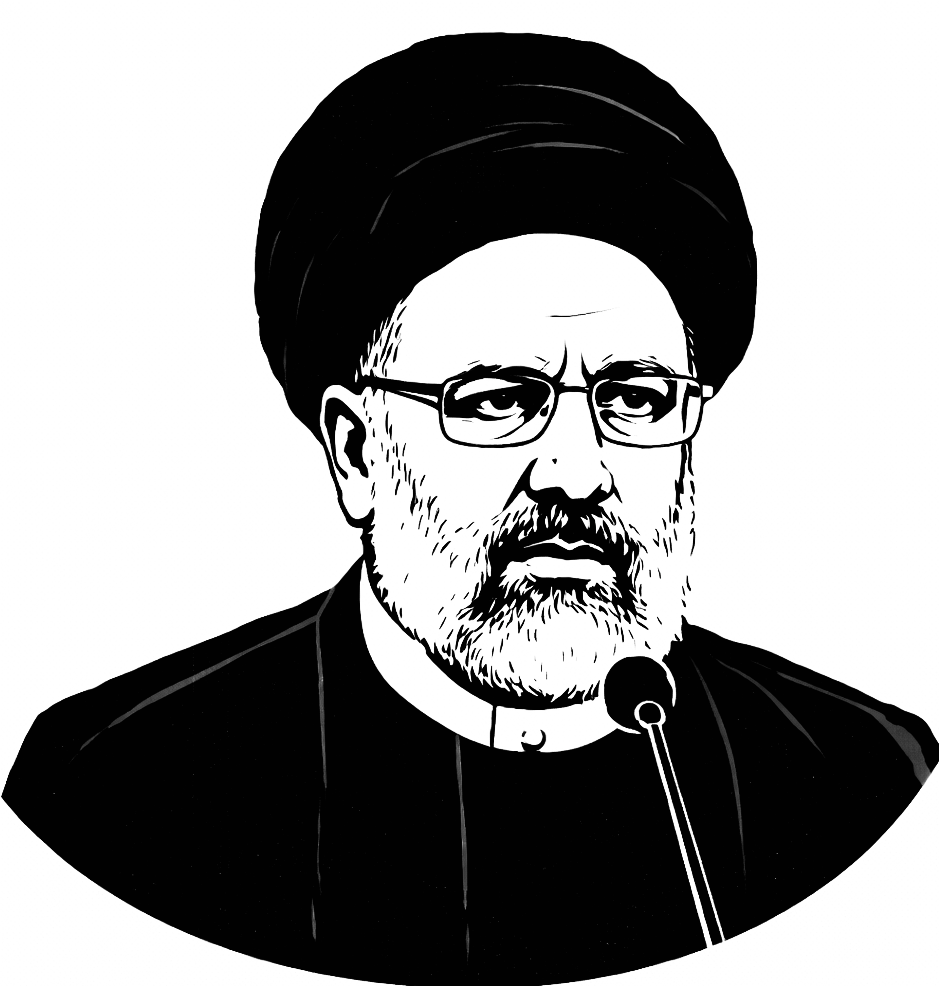
Ebrahim Raisi
Gadi Eisenkot
Benny Gantz
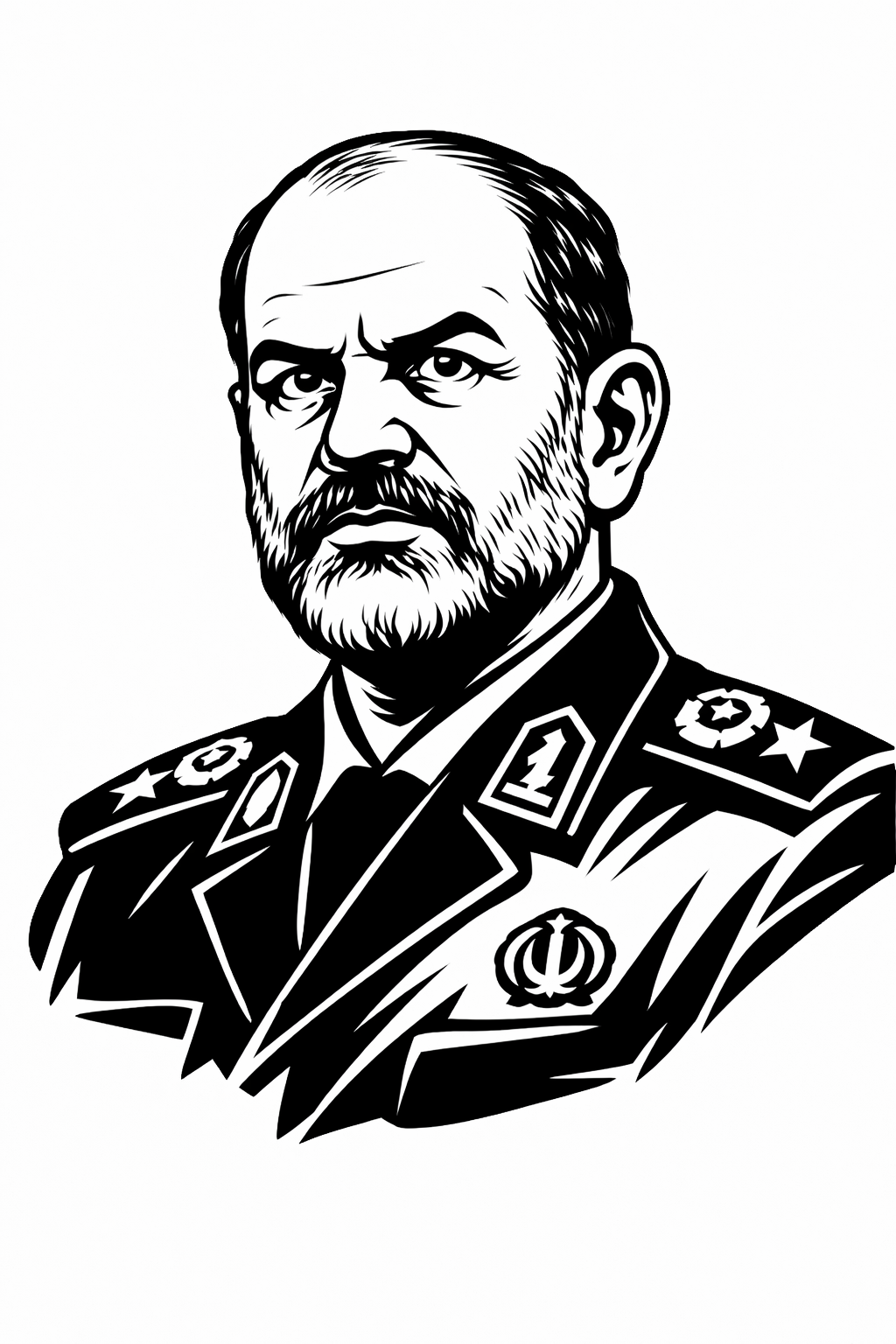
Ahmad Vahidi
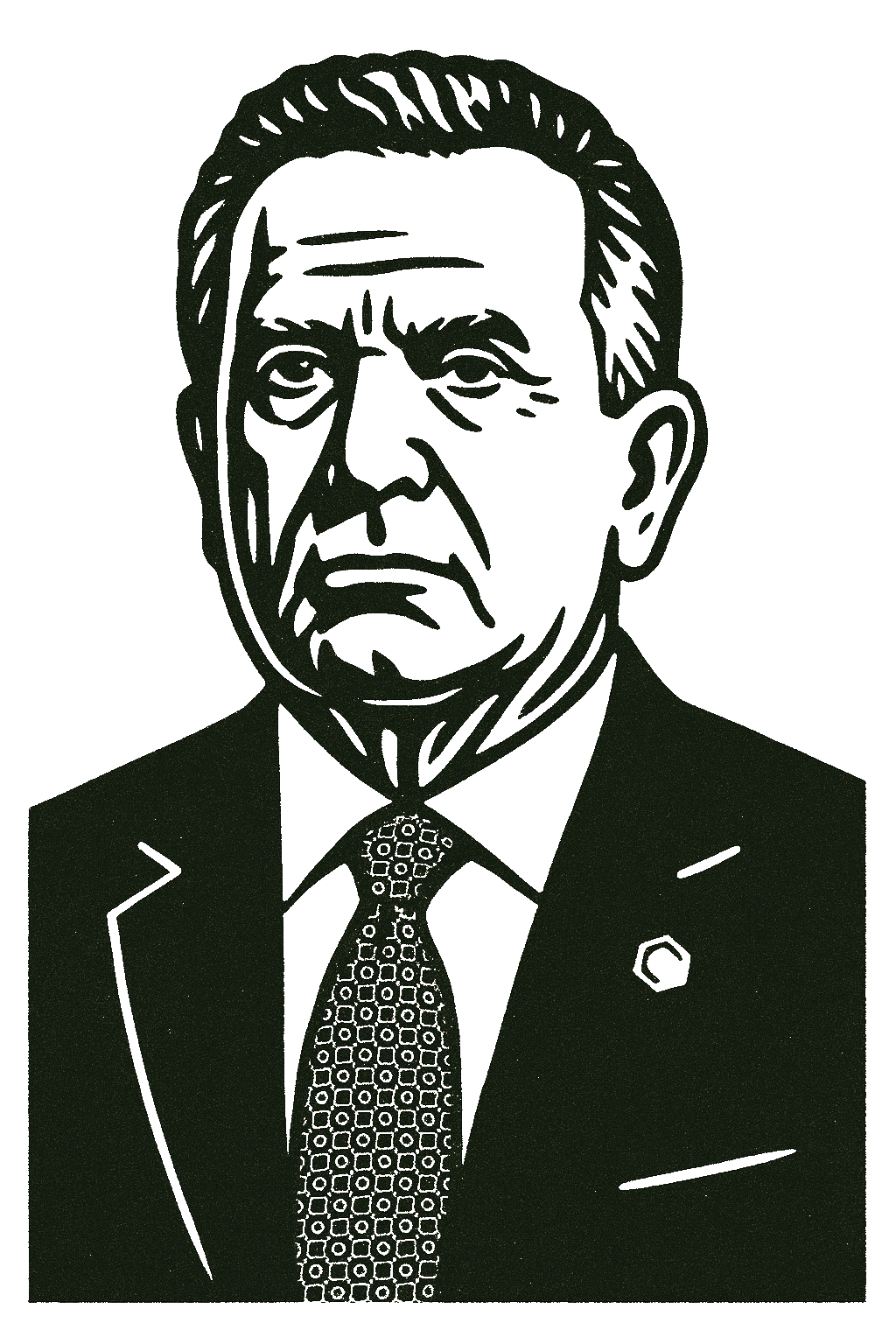
Steve Witkoff
Ismail Qaani
Qasem Soleimani
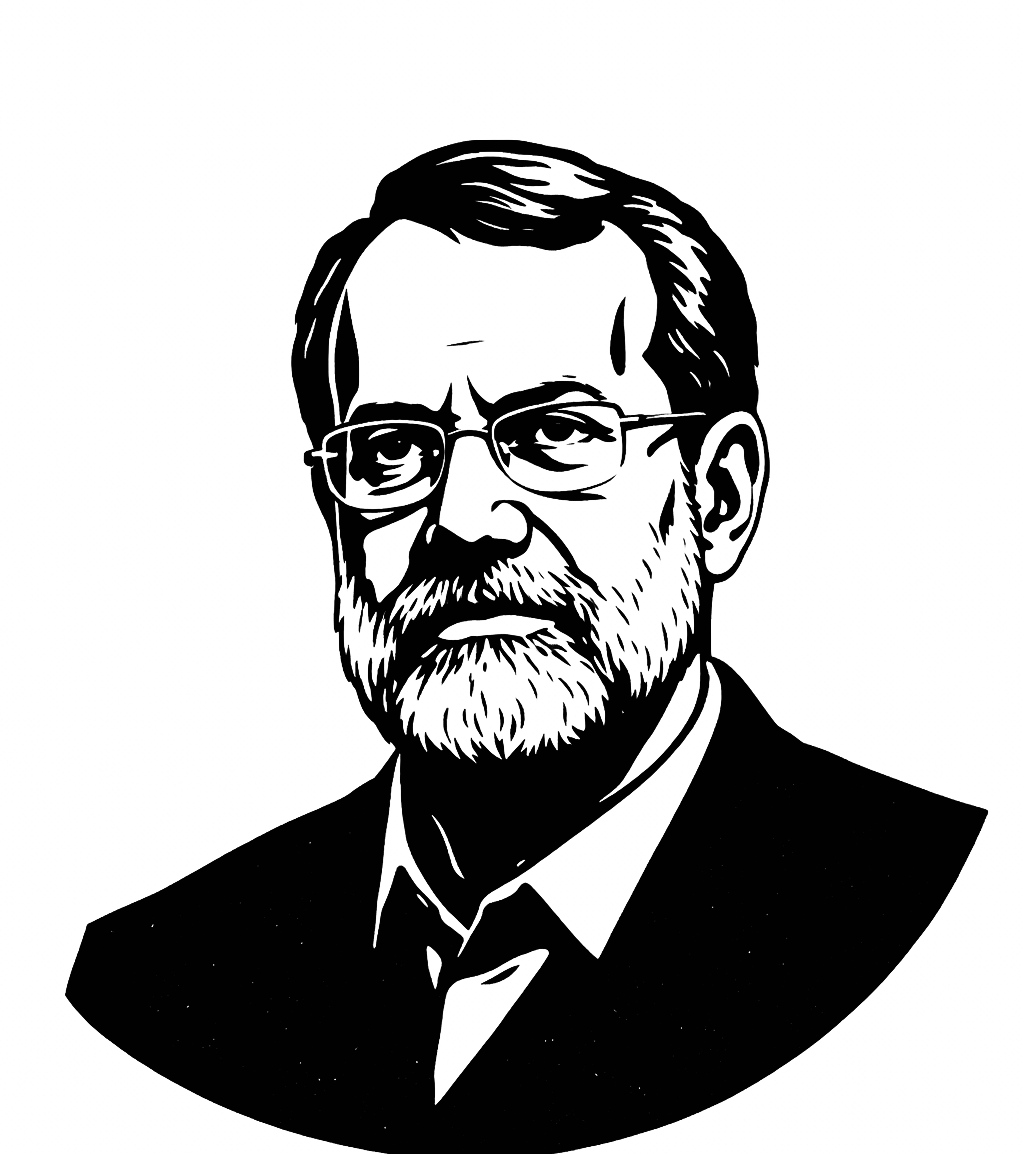
Ali Larijani
Israel Katz
Locations
Medina
Bahrain
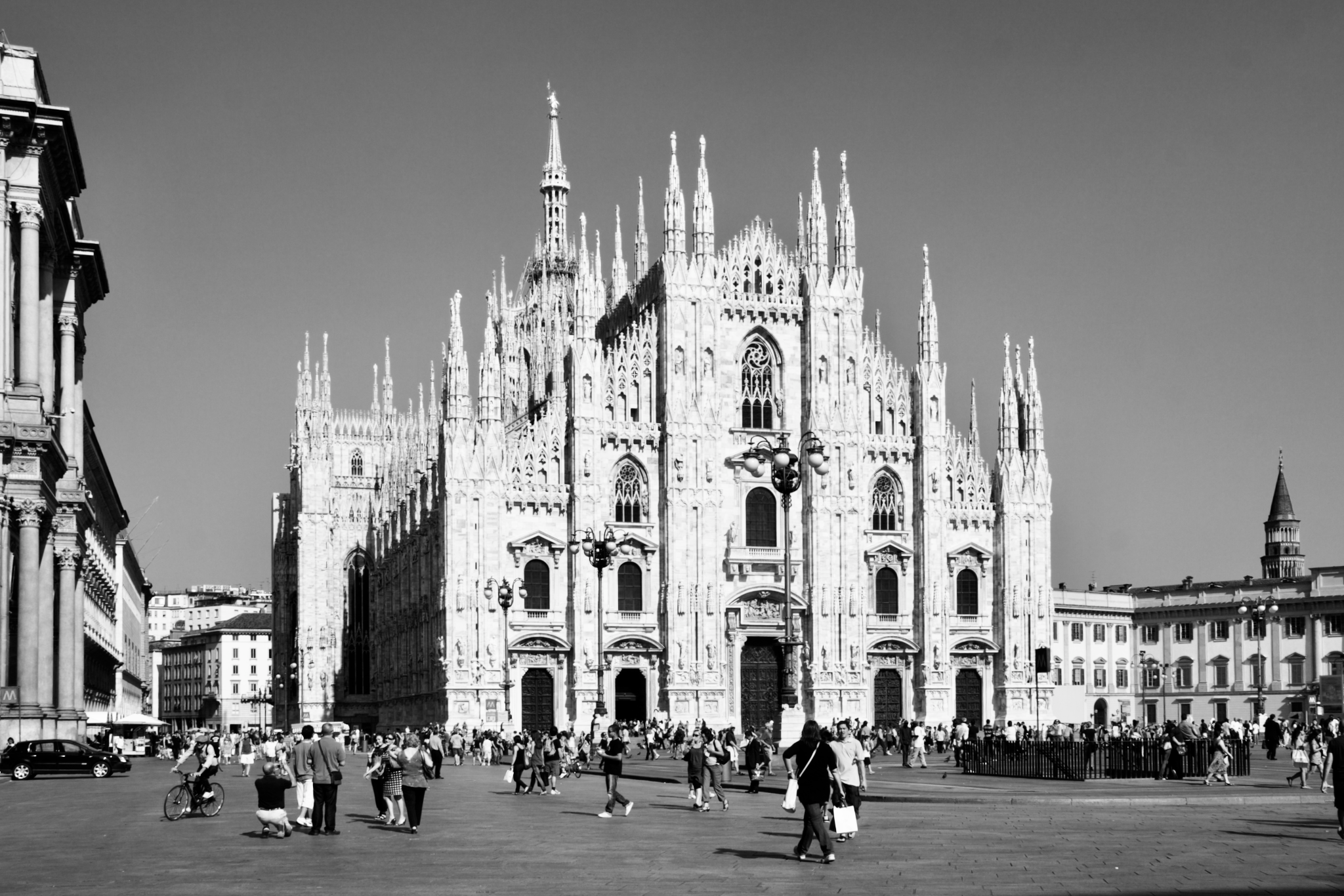
Milan
Estonia

Ahvaz

Hong Kong Island
Timor-Leste
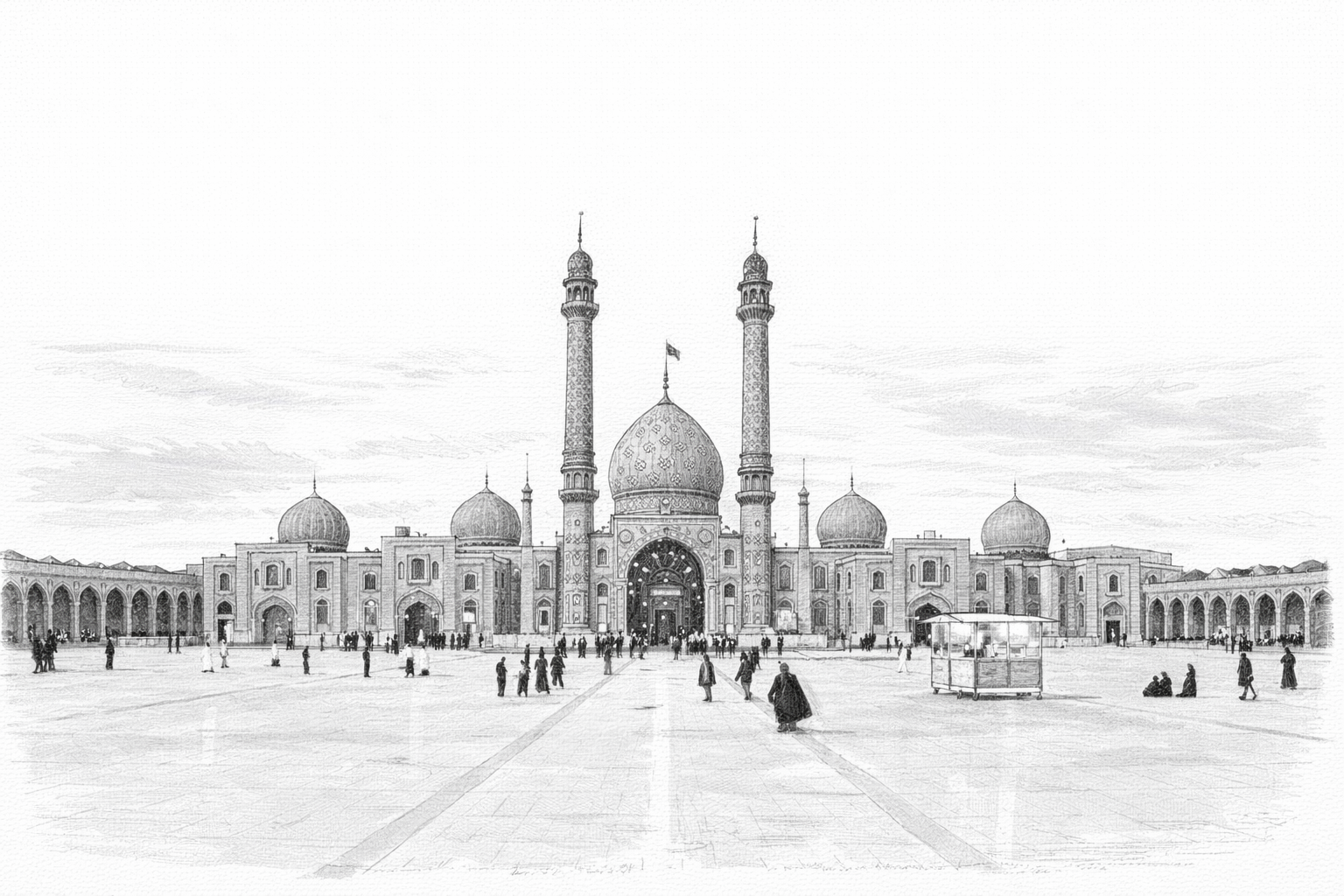
Qom
Saskatchewan
Edmonton
Points of Interest
No results found.
Articles


Event Timeline

Polish-Lithuanian Rule over Ukraine
Before Moscow, there was Lublin. The Polish–Lithuanian Commonwealth laid the groundwork for Western Ukrainian identity — and for centuries of contested rule.


Die EU muss als geopolitische Macht aufsteigen
1.000 traurige Tage des Krieges in der Ukraine. Chinas Einfluss rückt immer weiter vor. Die USA wenden sich nach innen. Es ist Zeit, in Europa zu handeln.