
Albania
Intro
Emerging from decades of isolation, Albania reoriented toward Western alliances in the early 2000s. It now serves as a stable partner for NATO operations and a participant in the Trans-Adriatic energy corridor.
Background
Post-communist transition was marked by economic hardship and mass migration. Political reform and infrastructure modernization improved stability. EU accession remains conditional on judicial independence and corruption control.
History
- 1991: Fall of communist regime and transition to democracy – 2009: Joins NATO – 2014: Granted EU candidate status – 2022: Begins EU accession talks – 2020s: Expands tourism, energy, and infrastructure partnerships
Present Day
In 2025, Albania maintains steady growth and political stability under pro-European leadership. It anchors NATO operations in the Adriatic and pursues energy and tourism modernization.
Future Outlook
Albania’s maritime and energy role will expand through regional integration and foreign investment. EU progress depends on institutional transparency and judicial reform.
Map
Topics
Persons

Reza Pahlavi

Hossein Salami
Benny Gantz
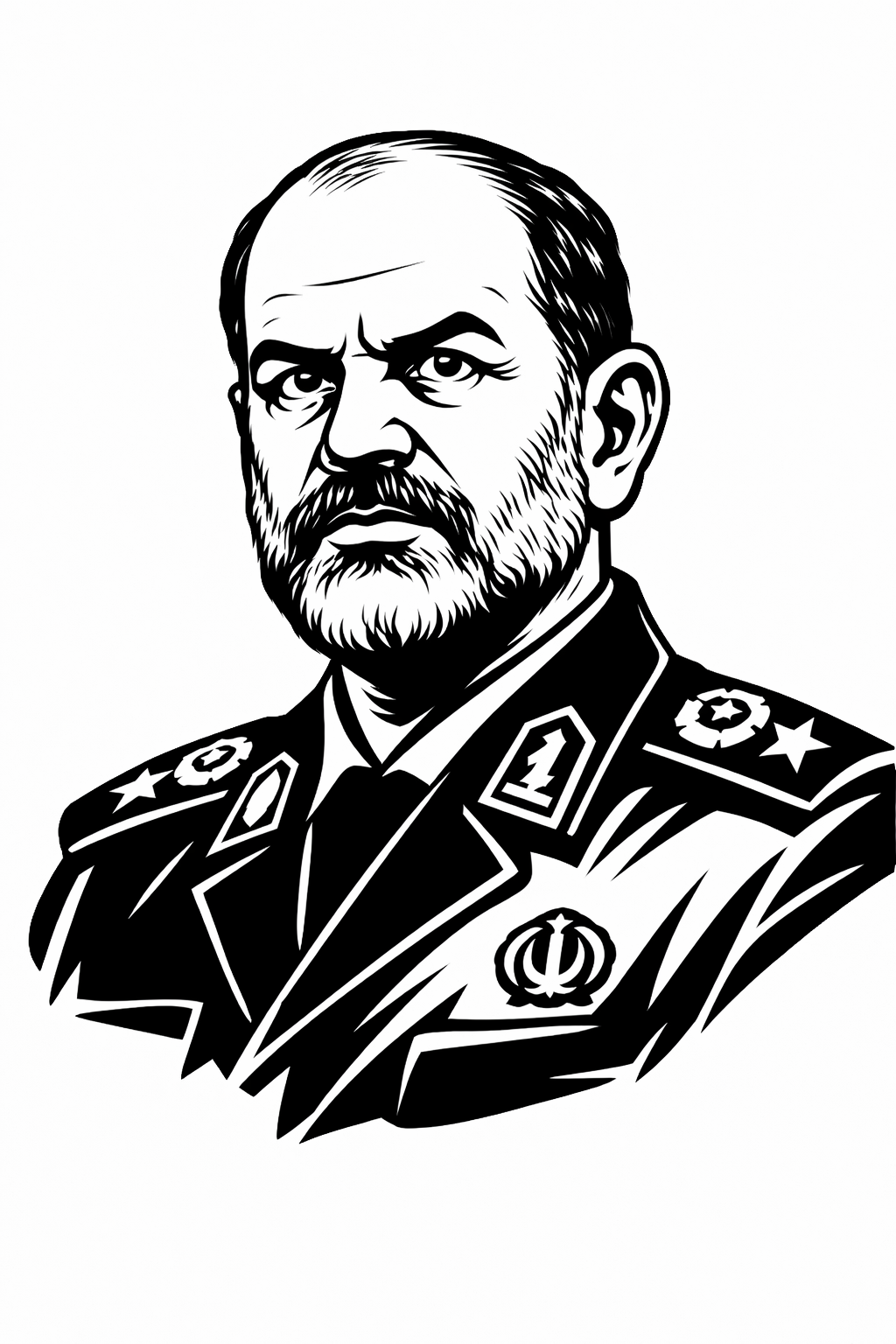
Ahmad Vahidi
Qasem Soleimani

Ali Larijani

Steve Witkoff
Ismail Qaani
Israel Katz
Locations
russian-isles
Saint Petersburg
San Marino
Šar Mountains
Sari
Selidove
Sevastopol
Sistan Basin
South America
Southeast Asia
Points of Interest
No results found.
Articles



Event Timeline

Polish-Lithuanian Rule over Ukraine
Before Moscow, there was Lublin. The Polish–Lithuanian Commonwealth laid the groundwork for Western Ukrainian identity — and for centuries of contested rule.


Die EU muss als geopolitische Macht aufsteigen
1.000 traurige Tage des Krieges in der Ukraine. Chinas Einfluss rückt immer weiter vor. Die USA wenden sich nach innen. Es ist Zeit, in Europa zu handeln.