
Zahedan
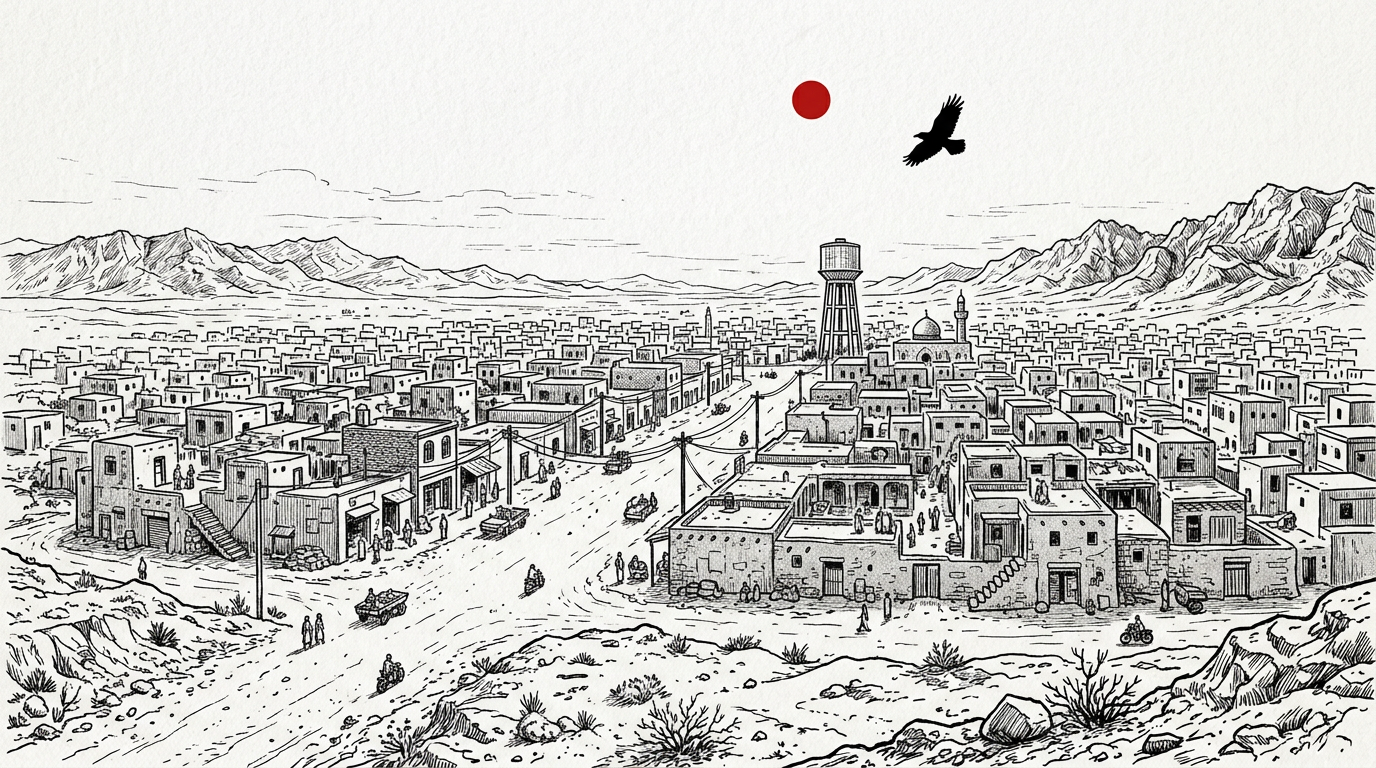
Intro
Located near the borders with Pakistan and Afghanistan, Zahedan anchors Iran’s most sensitive eastern region. Its position places it on key smuggling, migration, and insurgency corridors connecting South Asia to the Iranian plateau.
Background
Historically marginal within Iran’s core political geography, Zahedan gained strategic importance with the consolidation of modern borders in the 20th century. The region’s Baluch population, cross-border kinship ties, and chronic poverty have made it a focal point of state security policy.
History
Zahedan is a relatively young city by Iranian standards, growing substantially only during the late Qajar and early Pahlavi periods as the centralised Iranian state extended administrative control over remote Sistan-Baluchestan. Its location near the borders of Afghanistan and Pakistan made it a centre of frontier governance and internal security, and the IRGC developed a substantial presence to manage smuggling networks and cross-border insurgent activity.
After 1979 the security apparatus was reinforced. The city’s Sunni Baluch population has remained at the margins of a predominantly Shia state, producing periodic unrest. In 2022 protests following the death of Mahsa Amini took on a particularly acute character in Zahedan, where security forces fired on worshippers leaving Friday prayers in what became known as Bloody Friday.
Present Day
Today Zahedan is heavily securitized, hosting military, border guard, and IRGC infrastructure. Economic development lags behind national averages, while drug trafficking routes, fuel smuggling, and militant spillover from Pakistan and Afghanistan shape Tehran’s strategic calculus.
Future Outlook
Map
Articles
No results found.
Event Timeline
No results found.


