

Tomorrow, from June 6 to 9, there will be another election. For the European Parliament. But what do we actually vote for and why is it important? In this article I will address this from a Dutch perspective which is – apart for the amount of Dutch representative seats relevant for all European citizens with the right to vote.
The European Parliament is the representation of the people of the European Union. With 705 Members of Parliament in total, of which 31 are from the Netherlands. You can compare the European Parliament to a House of Representatives.
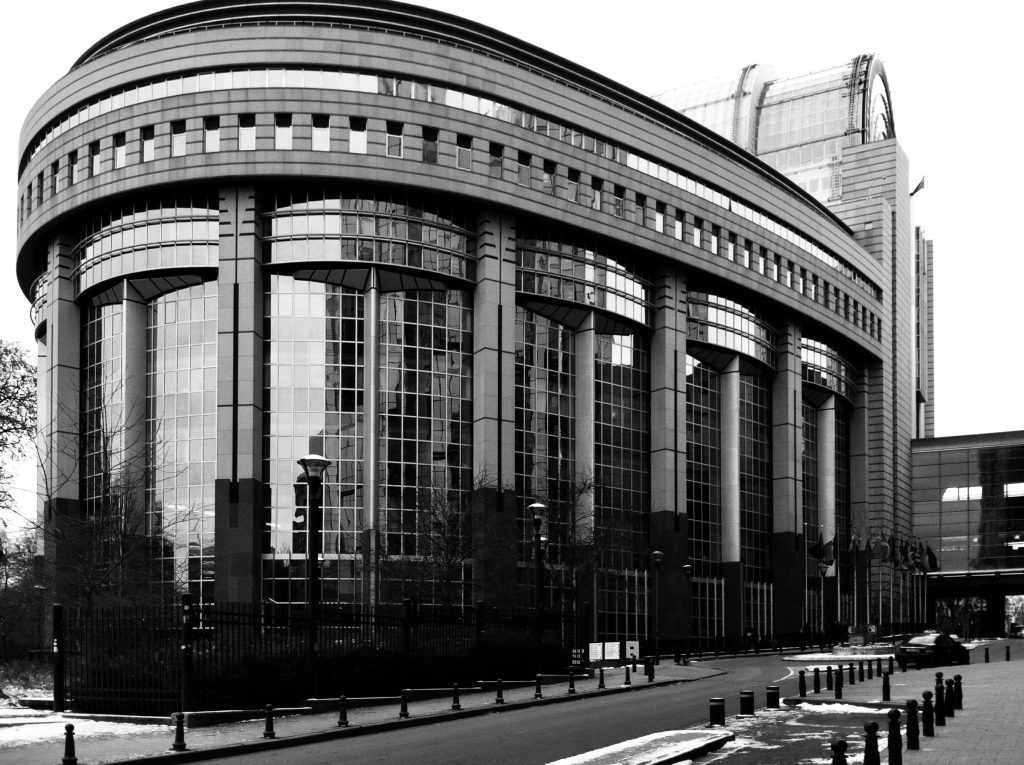
The European Union is a treaty union, meaning a group of countries that have made agreements on cooperation. After World War II, a number of (Christian) thinkers (Schuman, Monnet, de Gaspari and Adenauer) reflected on how we can live together and cooperate with each other (where possible) with the goal of peace and prosperity.
Schuman is particularly interesting in this regard, because he saw working on European cooperation as a kind of vocation to obtain lasting reconciliation in Europe between old rivals in order to avoid bloodshed in wars in the future.
A well-known treaty is the Schengen Agreement. In it it is agreed that there is free movement of people and goods throughout the European Union. This is very important for seasonal workers (in arable farming and fruit growing), transportation and tourism, for example. As a result, you no longer spend hours in traffic jams at the border when an international cargo is driving or you are going on vacation. Free movement of goods is important in trade and logistics. Think of exporting dairy products, flowers or orchids, for example. Since the Brexit, people in England know again what is like when seasonal workers cannot help with the fruit harvest. And companies from the Netherlands, who need (machine) parts from England, have to deal with long and uncertain delivery times. This makes parts more expensive and the ultimate customer – you and me – pay more for our products.
Because the European Union is a group of 27 countries in Europe, when it comes to major issues or problems, we can collectively carry weight. That applies to agreements on trade (with the United States, for example), but also on issues such as Christian persecution, peace in Israel. It makes quite a difference whether you speak in Iran, China or the U.S. on behalf of the Netherlands or on behalf of the European Union.
There are also issues that we would rather have less to do with. “European meddling,” for example, is quite often cited for the amount of regulations that come at us from Brussels. There we can and should remain especially critical. But that also applies in our own country. Rules and agreements regarding nitrogen emissions, water quality and the like are intended to have the same rules everywhere and to prevent one country doing its utmost and another making a mess of things. The Netherlands tends to make the rules more onerous than they need to be.
This makes the European Union very close for many people after all. Think of examples around you: where does your car come from? The company you work for, buys in or sells to foreign companies? Can all be in euros while tax (VAT) is also regulated.
Cooperation between countries in the European Union is important. It does not guarantee peace and security, but almost 80 years of freedom is a great thing. It also does not guarantee wealth and prosperity and comparing it to how it used to be is quite difficult, but try it. A 40-hour work week, a house, cars, bikes, children have toys, is there free time or vacations? …
The European Union cannot be taken for granted. Cooperation requires constant attention to improvement and vigilance and warning where things are not going well. And that is what the Members of the European Parliament in Brussels and in Strasbourg do for you.

