Tabriz
Intro
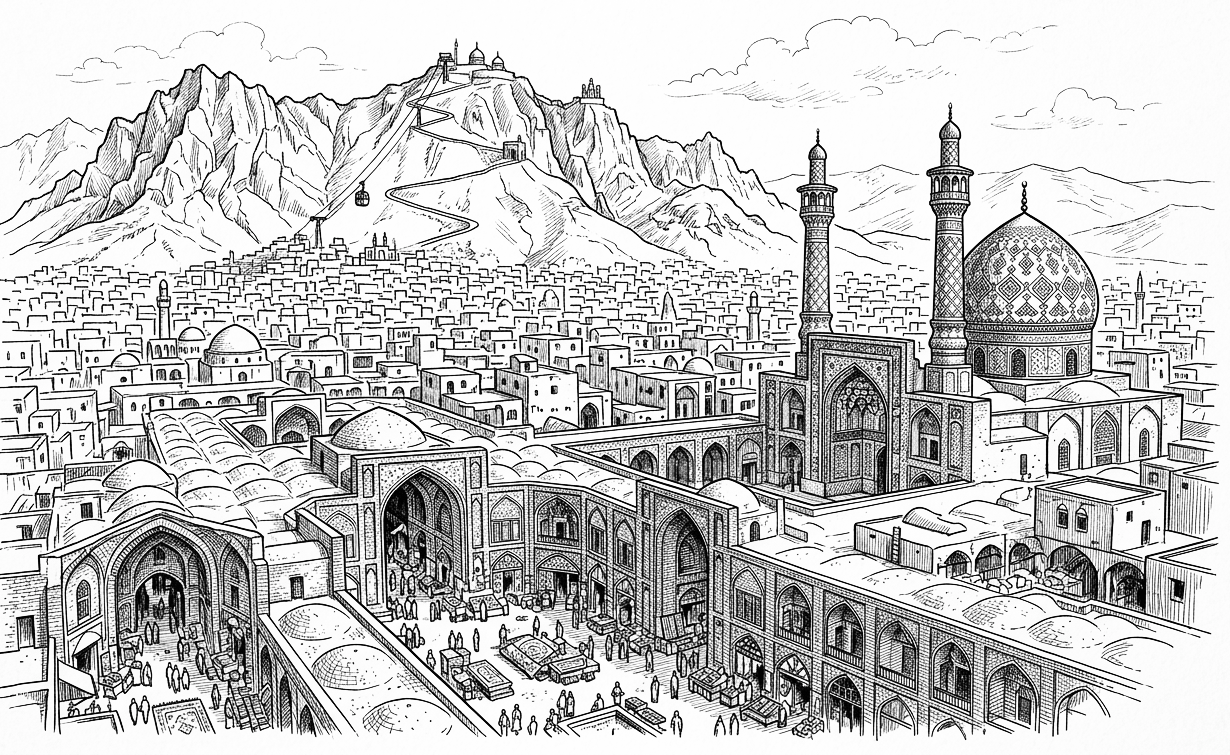
Positioned near Iran’s northwestern frontier, Tabriz has long functioned as a strategic urban node linking Iran to Anatolia, the Caucasus, and Central Asia. Geography made it a key control point for trade, diplomacy, and military campaigns, especially during the Safavid, Ottoman, and Qajar periods.
Background
Tabriz’s strategic weight derives from its location along trans-regional trade routes and its proximity to multiple rival empires. It often served as the seat of governance for crown princes during Qajar rule, reinforcing its political importance. Earthquakes periodically damaged the city, but it consistently retained its regional primacy.
History
The city played vital roles in the Constitutional Revolution, acting as one of the main centres of early reformist mobilisation. Its economic networks and intellectual circles contributed significantly to Iran’s political transformation in the early 20th century.
Present Day
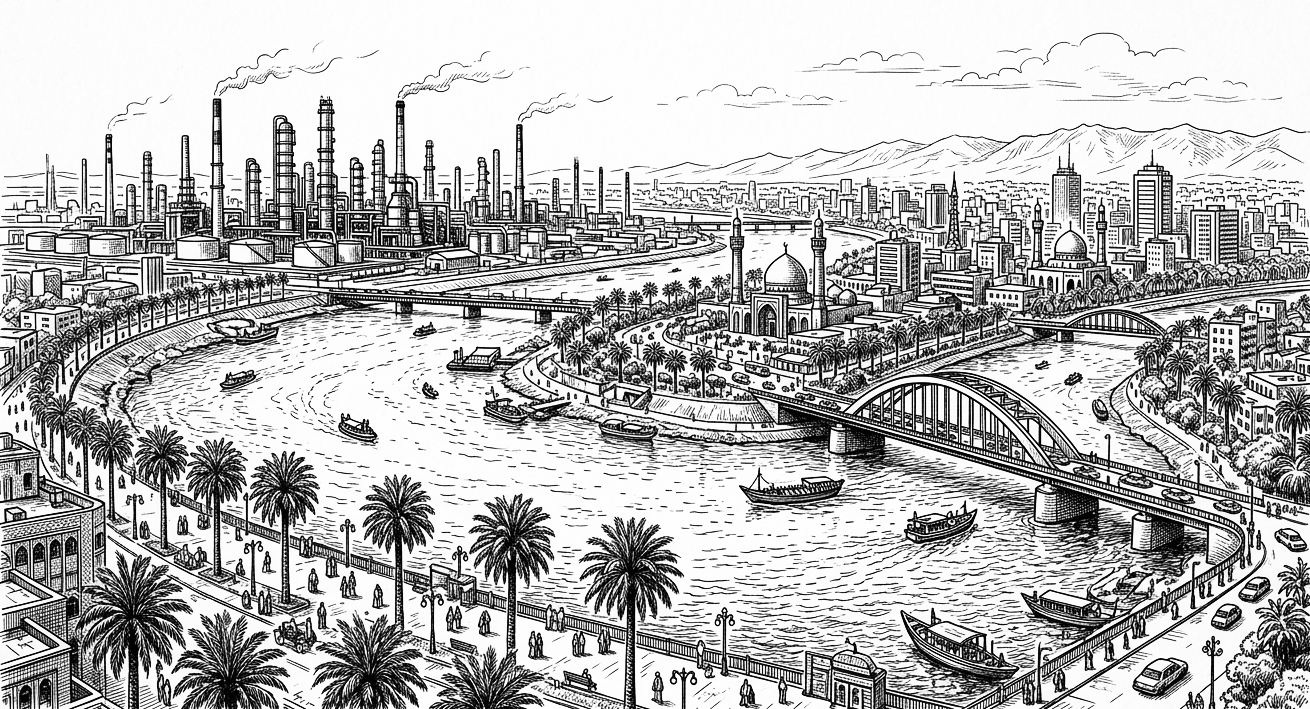
Today, Tabriz is a major industrial and commercial centre with ties to Turkey and Azerbaijan. It continues to serve as a logistical hub in Iran’s northwestern corridor.
Future Outlook