
Mashhad
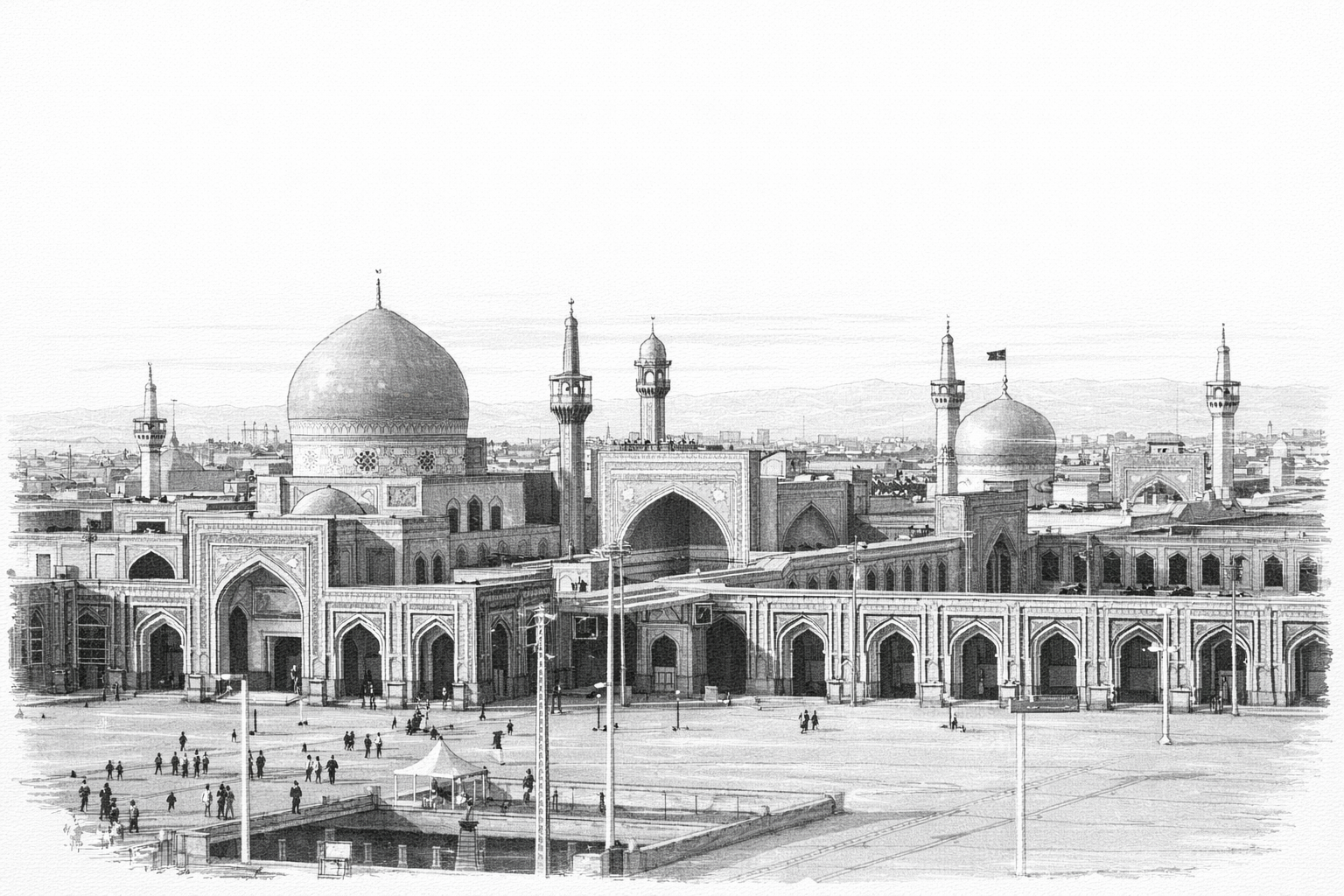
Intro
Positioned in northeastern Iran, Mashhad developed into a major religious and commercial centre due to its location along historical trade routes and proximity to Central Asian frontiers. The city’s significance increased substantially with the establishment of the Imam Reza shrine as a principal pilgrimage site.
Background
Mashhad’s geographic role places it close to Afghanistan and Turkmenistan, making it a crossroads for trade, migration, and security concerns. Its religious institutions have shaped local governance, cultural identity, and economic activity, creating a distinct urban profile within Iran’s internal system.
History
The city gained prominence during the Safavid period, when Shia state identity consolidated and pilgrimage infrastructure expanded. Under Qajar and Pahlavi rule, Mashhad served as a regional administrative centre. It has been involved in several social and religious movements, reflecting the local influence of clerical networks.
Present Day
Mashhad remains one of Iran’s most influential cities. Pilgrimage drives a major part of its economy, and the city hosts universities, manufacturing industries, and cross-border trade corridors. It is also a focal point for policy discussions concerning regional security and economic integration.
Future Outlook
Map
Articles

Why Iran Is Running Out of Water
Iran’s water crisis is driven by groundwater depletion, inefficient agriculture, and climate stress.
Event Timeline
No results found.


