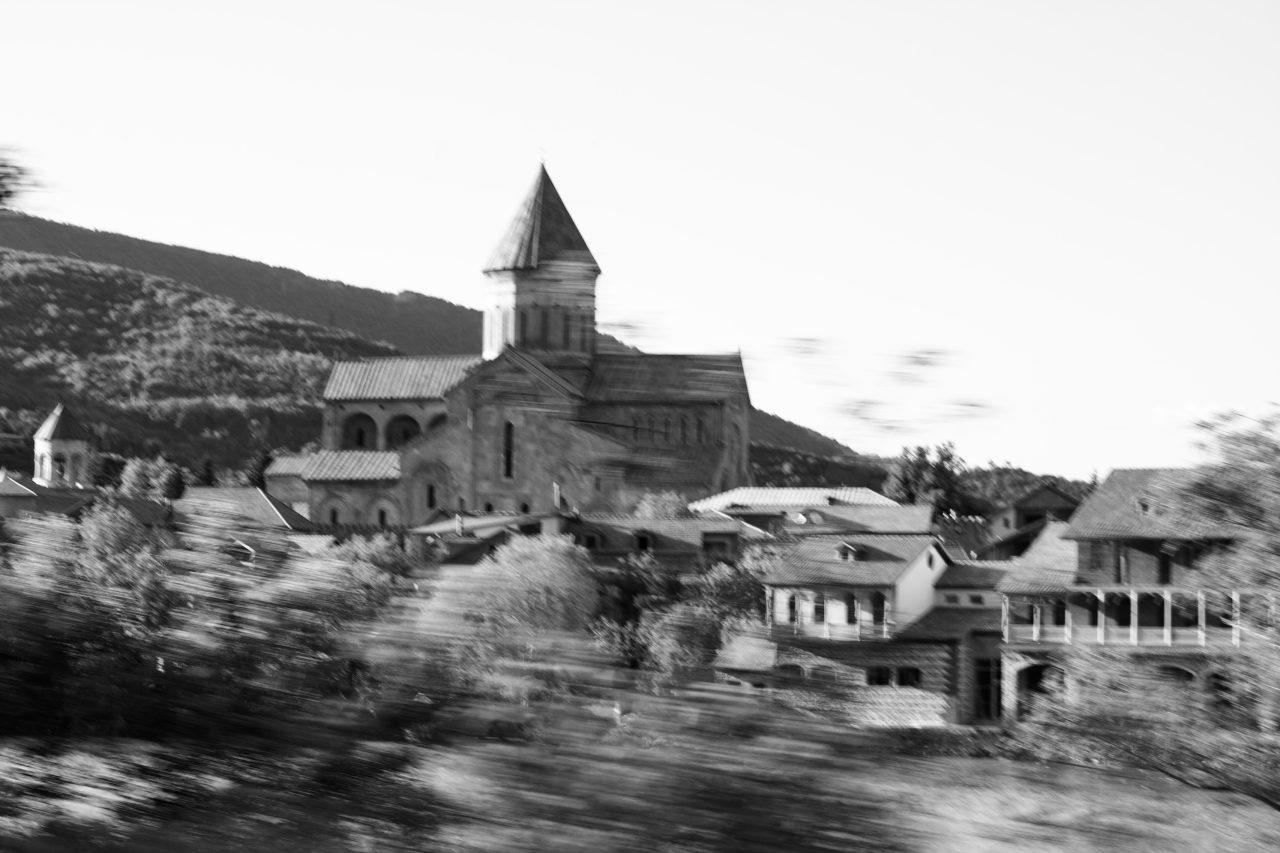
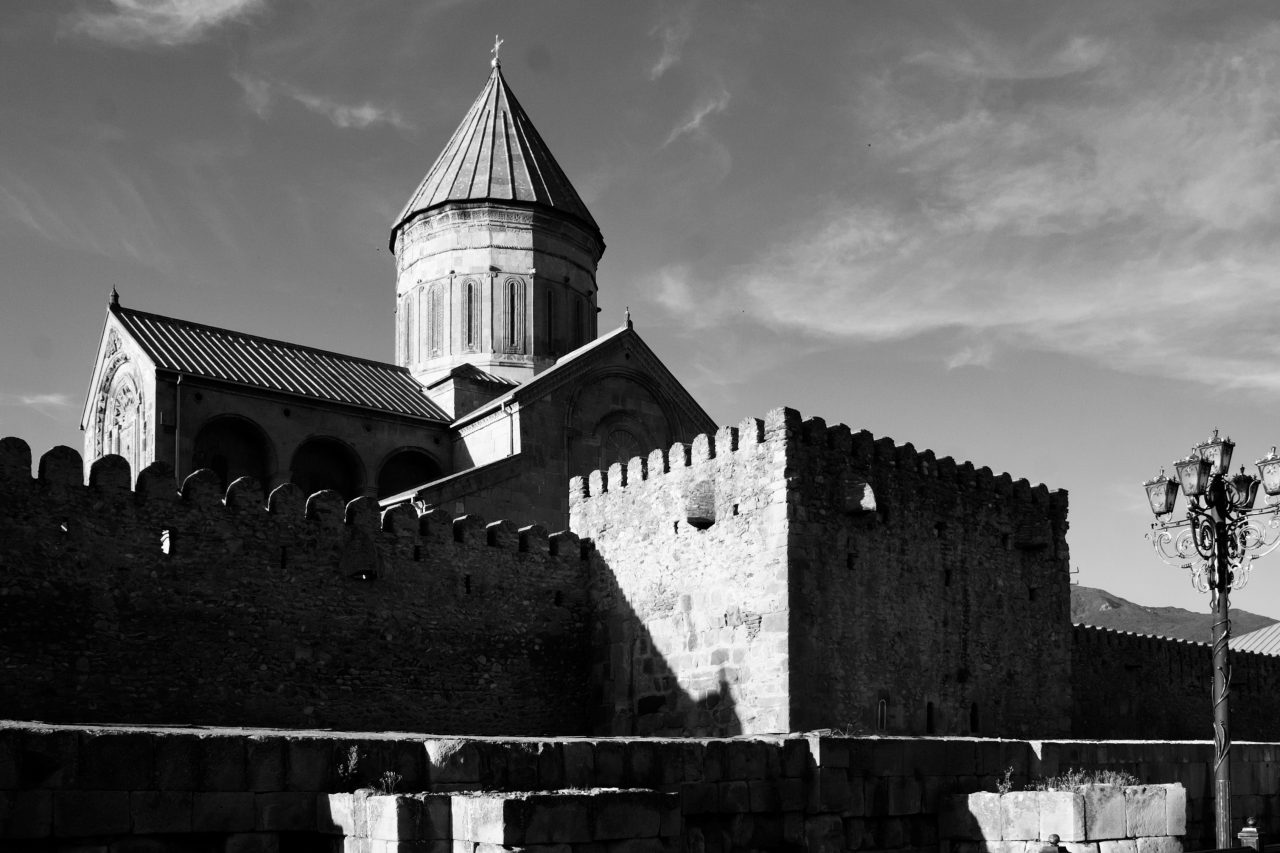
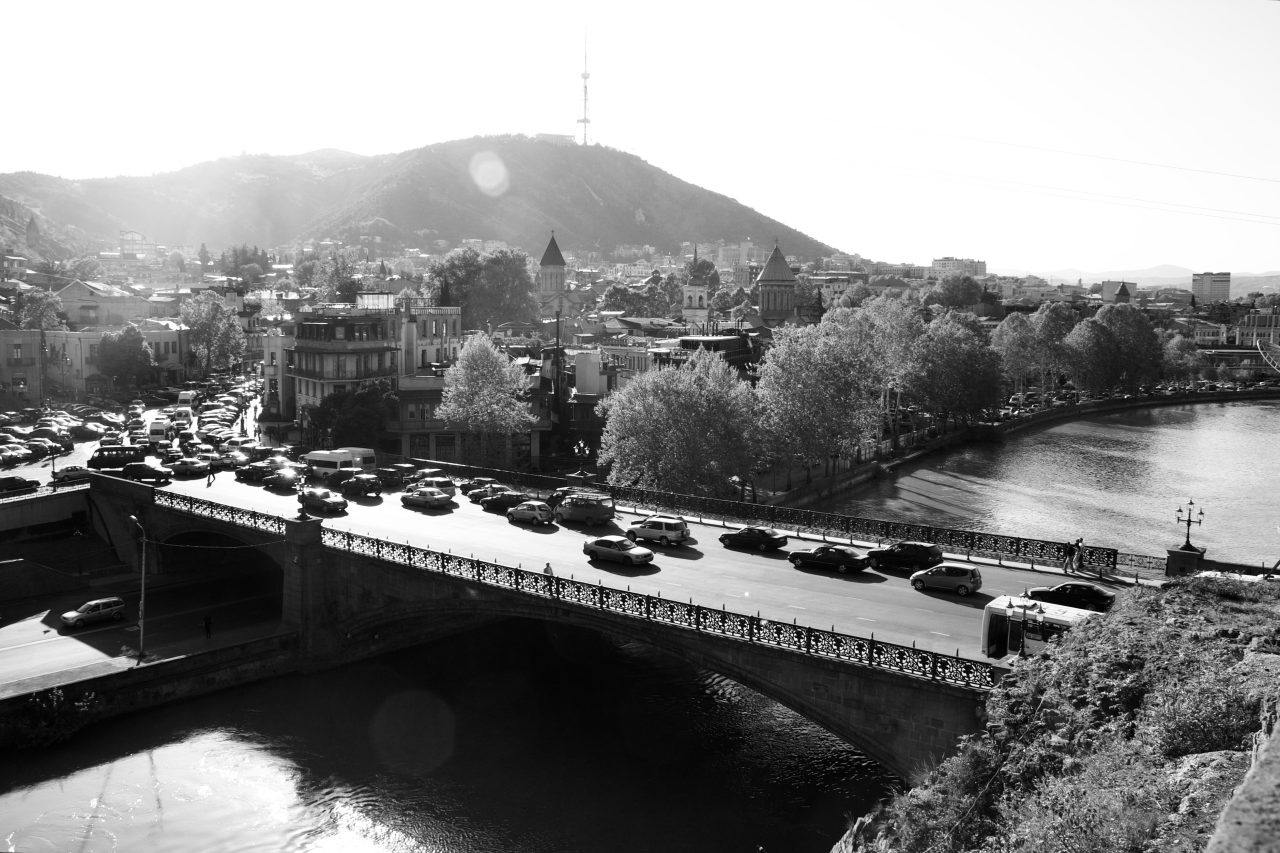
Citadel views, sulfur steam, silent prayers — and a capital caught between memory and movement.
A City Between Mountains
Tbilisi was built at a natural bottleneck — a river valley between the Caspian and Black Seas, and between empires. For centuries it was ruled by Persians, Ottomans, and Russians, but always retained a distinct Georgian core.
In the 19th century it became the capital of the Russian Transcaucasus. After a brief moment of independence in 1918, the Red Army returned. Georgia regained its sovereignty in 1991 — but Russian troops returned again in 2008. That war is recent. That war is not over.
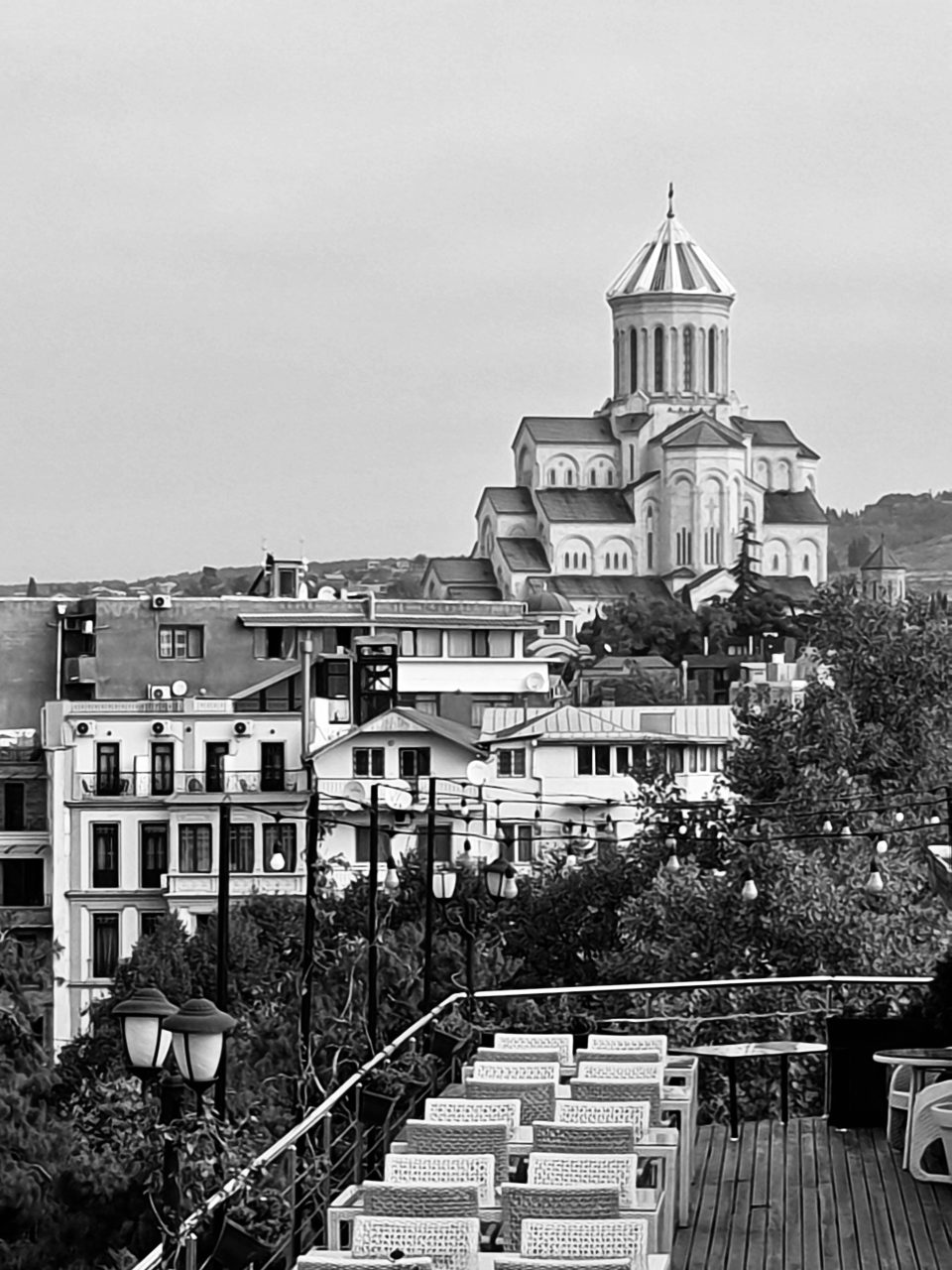
Georgia walks a narrow road — balancing EU and NATO ambitions with the pressures of geography. In Tbilisi, the old and new run side by side: churches beside telecom towers, polyphonic choirs in tech cafés. There’s pride here, and poetry, and a kind of pain that doesn’t want pity. It just wants to be seen.
Tbilisi’s position in the narrow river valley represents its beauty and complexity. Due the location it is never really cold. There is always fresh water, but floodings are always a risk when the rain starts to fall.
What to See in Mtshketa and Tbilisi in a Day
Timeline
Monastery Start outside the city. Drive to the hilltop where Christianity took root in Georgia. Mist lifts over the confluence of two rivers. The view hasn’t changed in centuries.
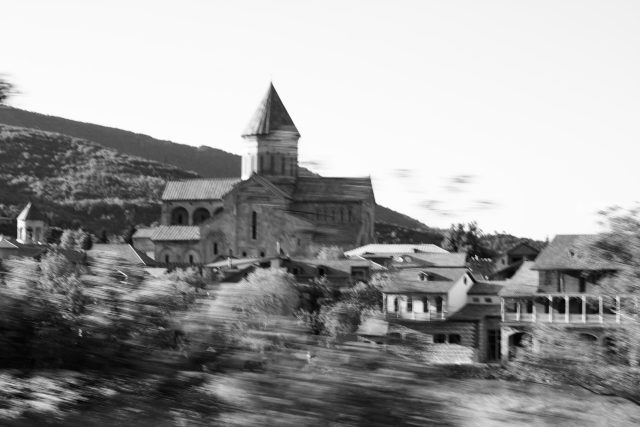
09:30 – Svetitskhoveli Cathedral In the old capital below, enter one of the oldest Orthodox cathedrals in the world. Kings are buried here. Locals still come to light candles.
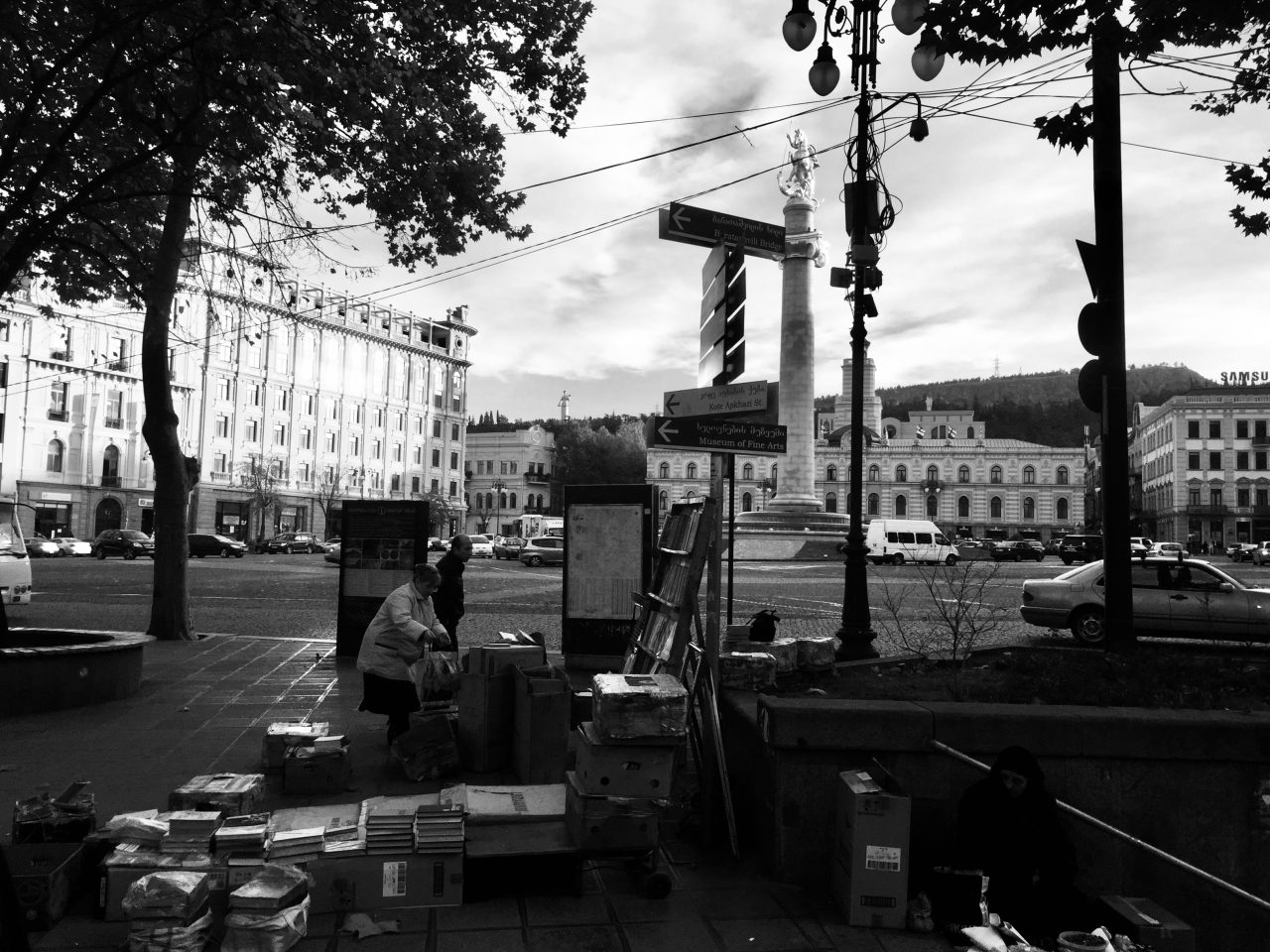
11:00 – Return to Tbilisi Follow the river back into the capital. 12:00 – Dry Bridge Market Antiques, Soviet medals, typewriters. A memory market. Not curated — just laid out on blankets.
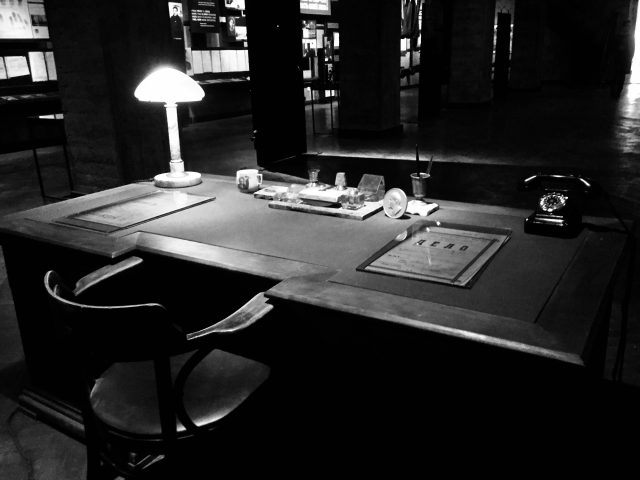
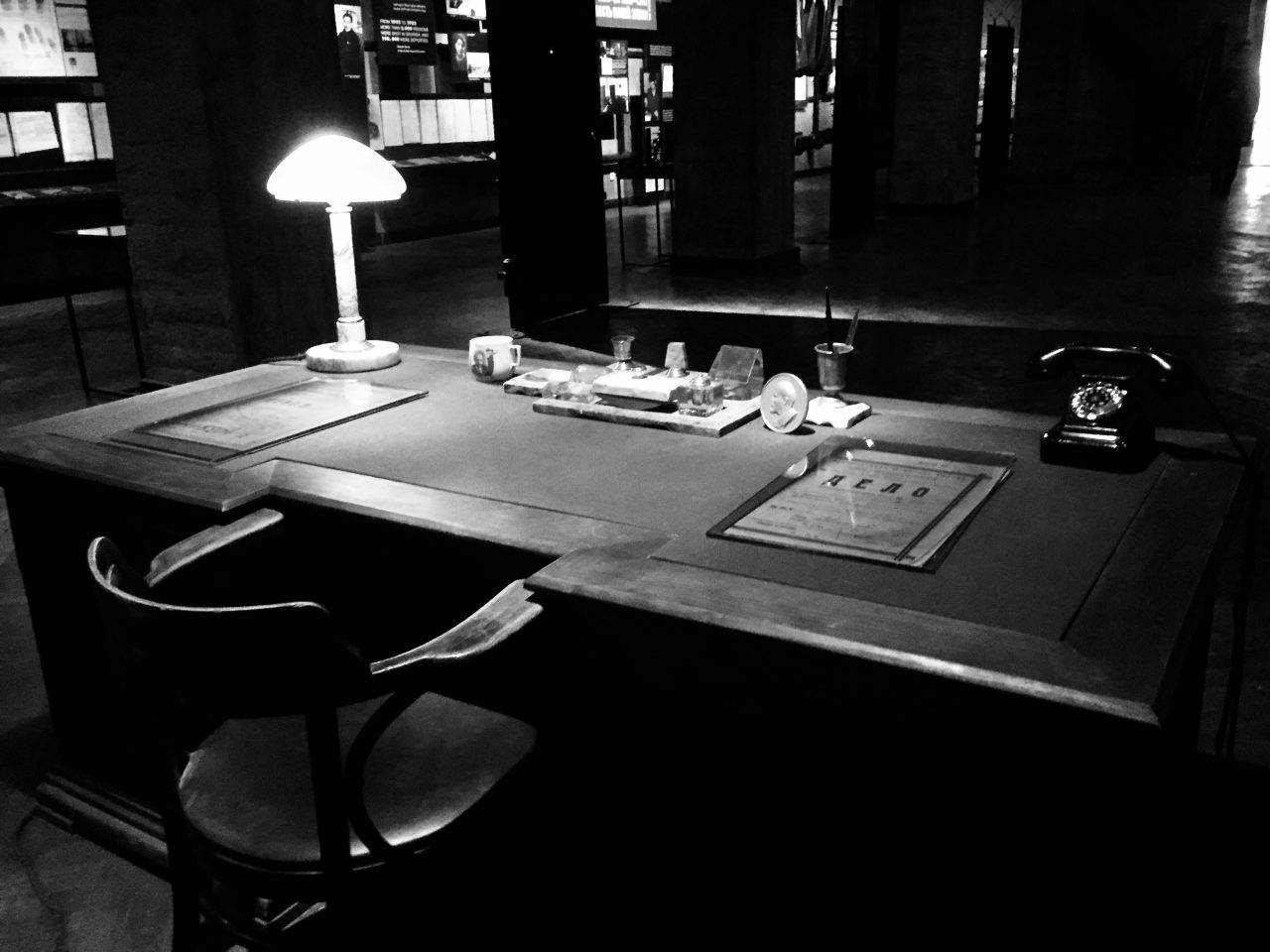
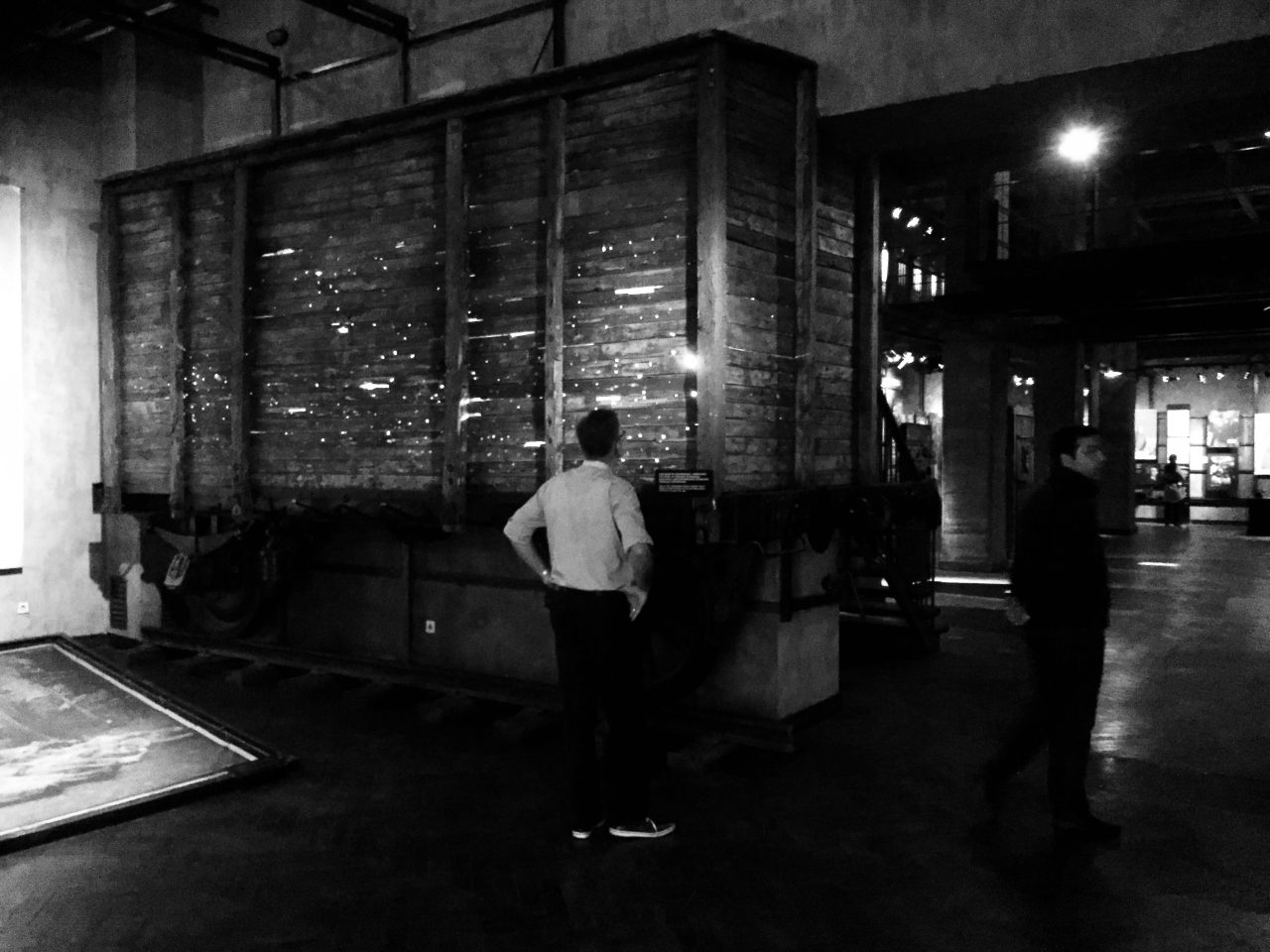
13:00 – National Museum Gold of ancient Colchis. Photographs of war. A corridor of silence for 2008. Georgia’s past is visible — but its future isn’t forgotten. The war left scars. Georgia didn’t just suffer; it lost control of two regions — Abkhazia and South Ossetia — now held by Russian-backed forces. The border is closer than it feels.
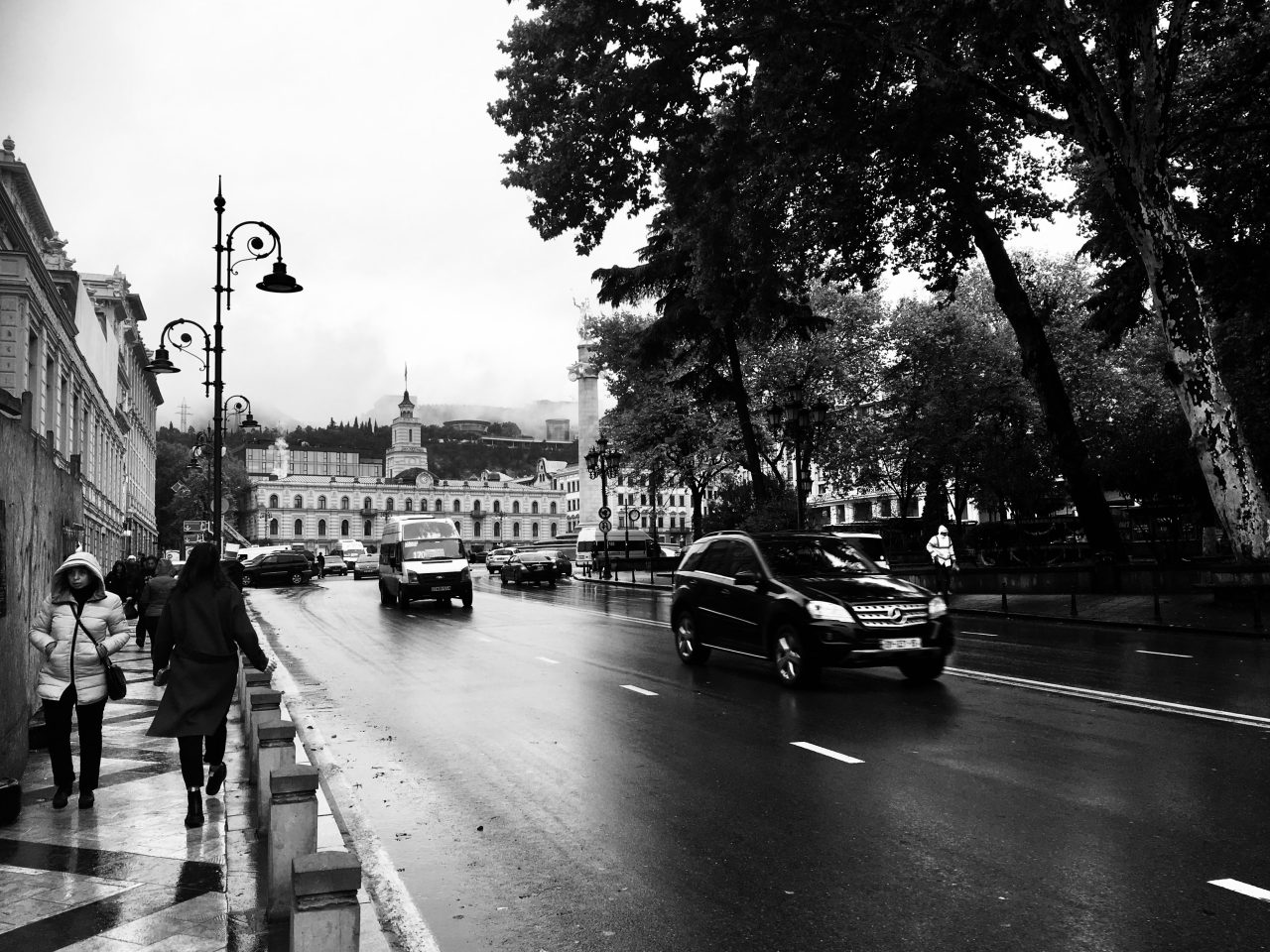
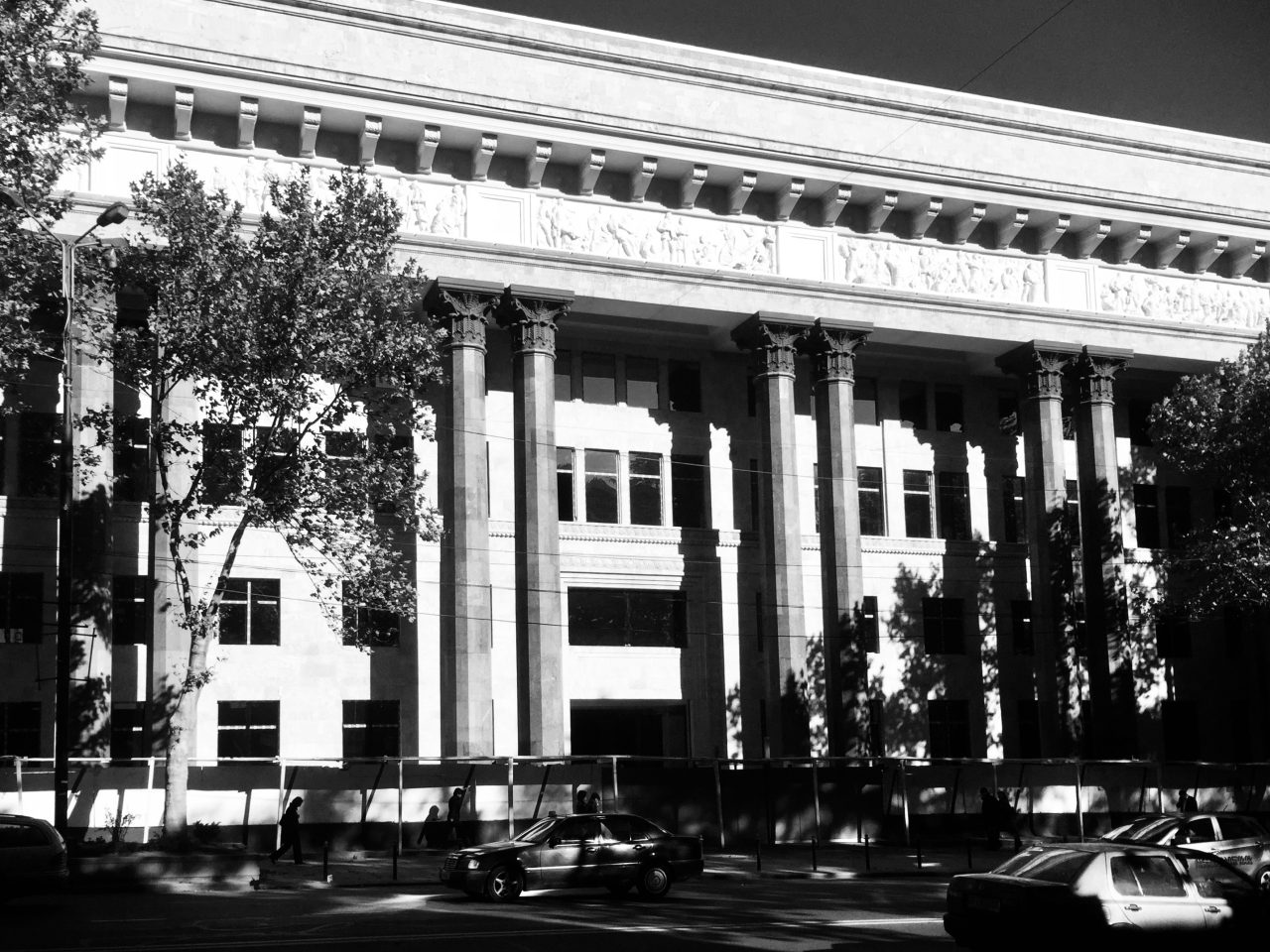
15:00 – Rustaveli Avenue Stroll past theatres, statues, and protest memories. Ask someone where to eat — they’ll tell you a story before giving you directions. Yet, Tbilisi lives defiantly. Recovery here is proud — and unfinished.

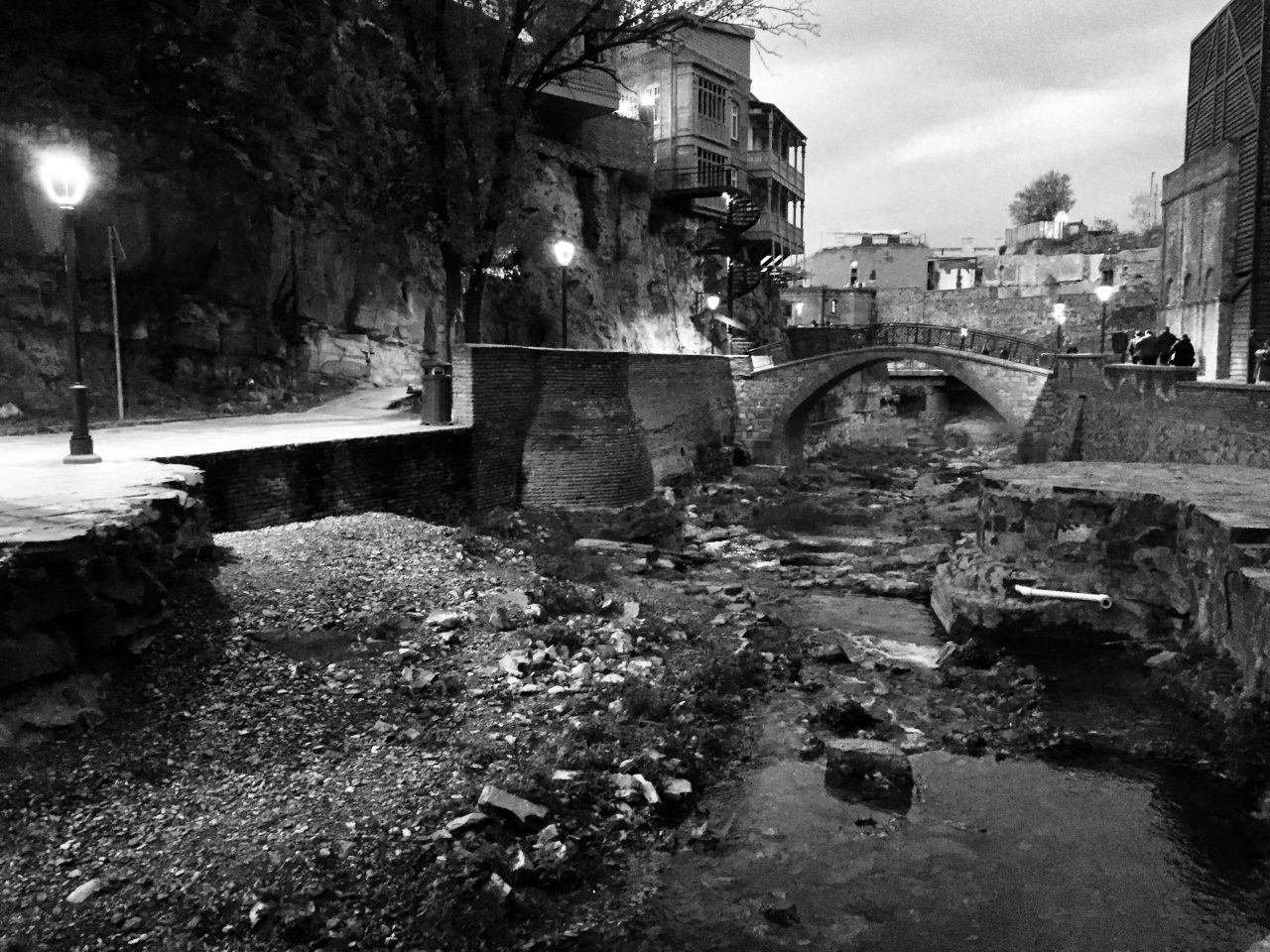
17:00 – Sulphur Baths & Leghvtakhevi Waterfall** Soak where poets and spies once did. Or just walk to the hidden waterfall nearby in the gorge with hanging veranda balconies and along the sulfur river as dusk begins. The romantic pictures for when we grow old are taken here.
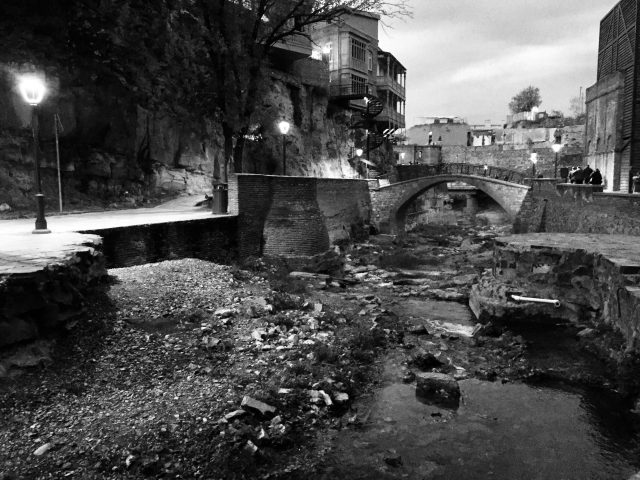
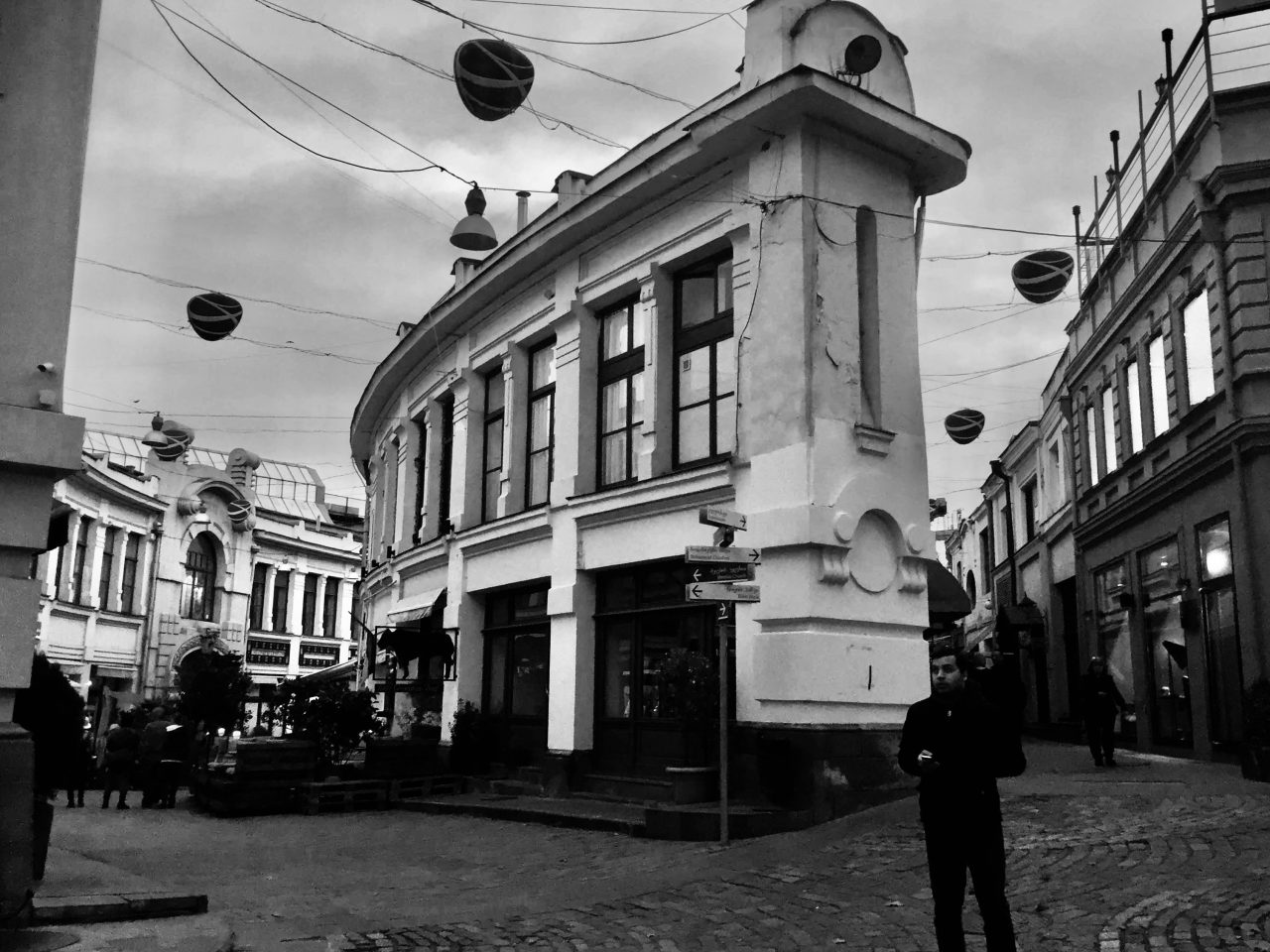
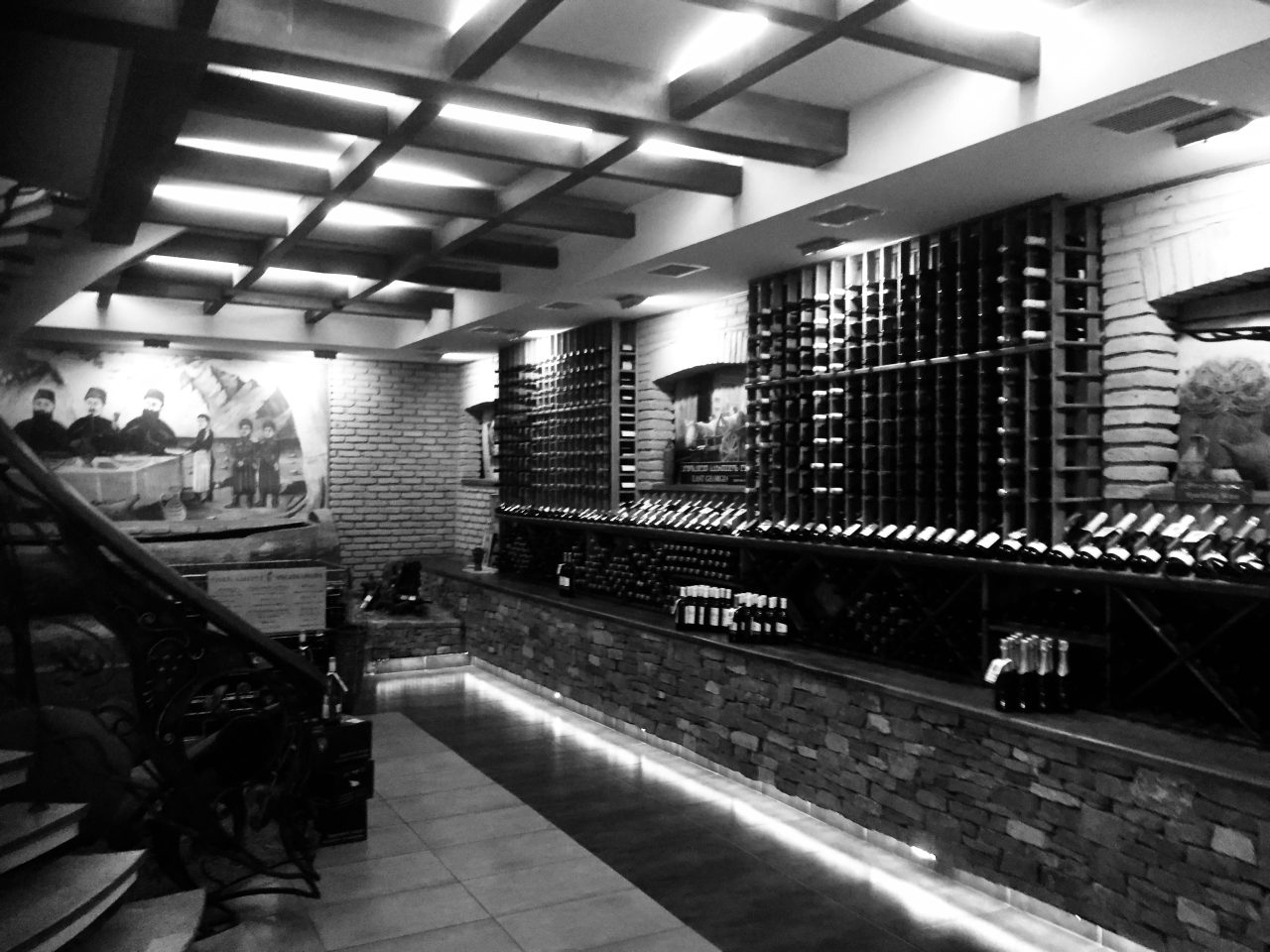
19:00 – Dinner: Wine from the Cask In the Old Town, find a place where the wine still comes from the barrel and dishes are handwritten on paper. Take a walk trought the narrow streets afterwards.
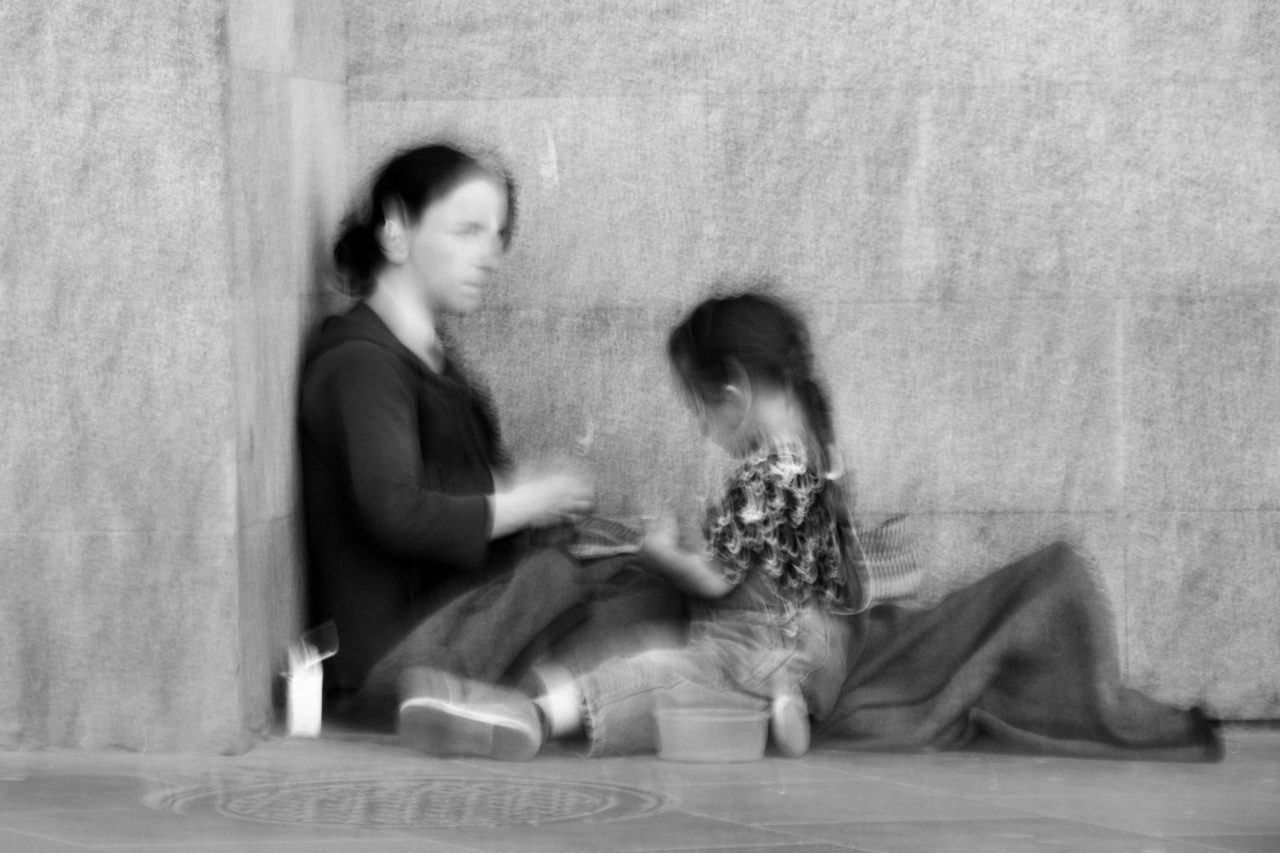
21:00 – Gifts & Goodbyes Buy socks from the old woman with a stool near the church. Hand them to the next mother and child you pass. Georgia’s gift isn’t the thing — it’s the gesture.
🗺 Factbox
| Country | Georgia |
| Region | Caucasus , Europe |
| Population | 1.1 million (metro) |
| Language | Georgian (official), Russian |
| Currency | Lari (₾) |
| Known For | Wine, resistance, hospitality |
Gallery