
Baroque echoes, Jewish memory, Soviet scars — and a city that stands without spectacle.
A City Between Powers
For centuries, Vilnius stood at the center of the Grand Duchy of Lithuania — once stretching from the Baltic to the Black Sea. Later, it became part of the Polish–Lithuanian Commonwealth, a rare early republic that balanced monarchy with noble governance.
By the 19th century, the Russian Empire took control. During World War II, the city’s Jewish population — nearly a third of all residents — was forced into ghettos and exterminated. The Soviets returned after the Nazis and stayed for nearly fifty years, turning churches into warehouses and citizens into case files.
In January 1991, Vilnius rose again. Unarmed civilians built barricades to defend their parliament and TV tower. Tanks came, but the city held. Since then, Lithuania has joined NATO and the EU — but the streets still carry the weight of empire, erasure, and resistance.
What to See in Vilnius in a Day
Vilnius is slow-paced but not sleepy. Students, programmers, civil servants — they drink black coffee, complain quietly, and vote with conviction. History is never far away, but not always on display. Ukrainian flags show what loyalty means.
Timeline
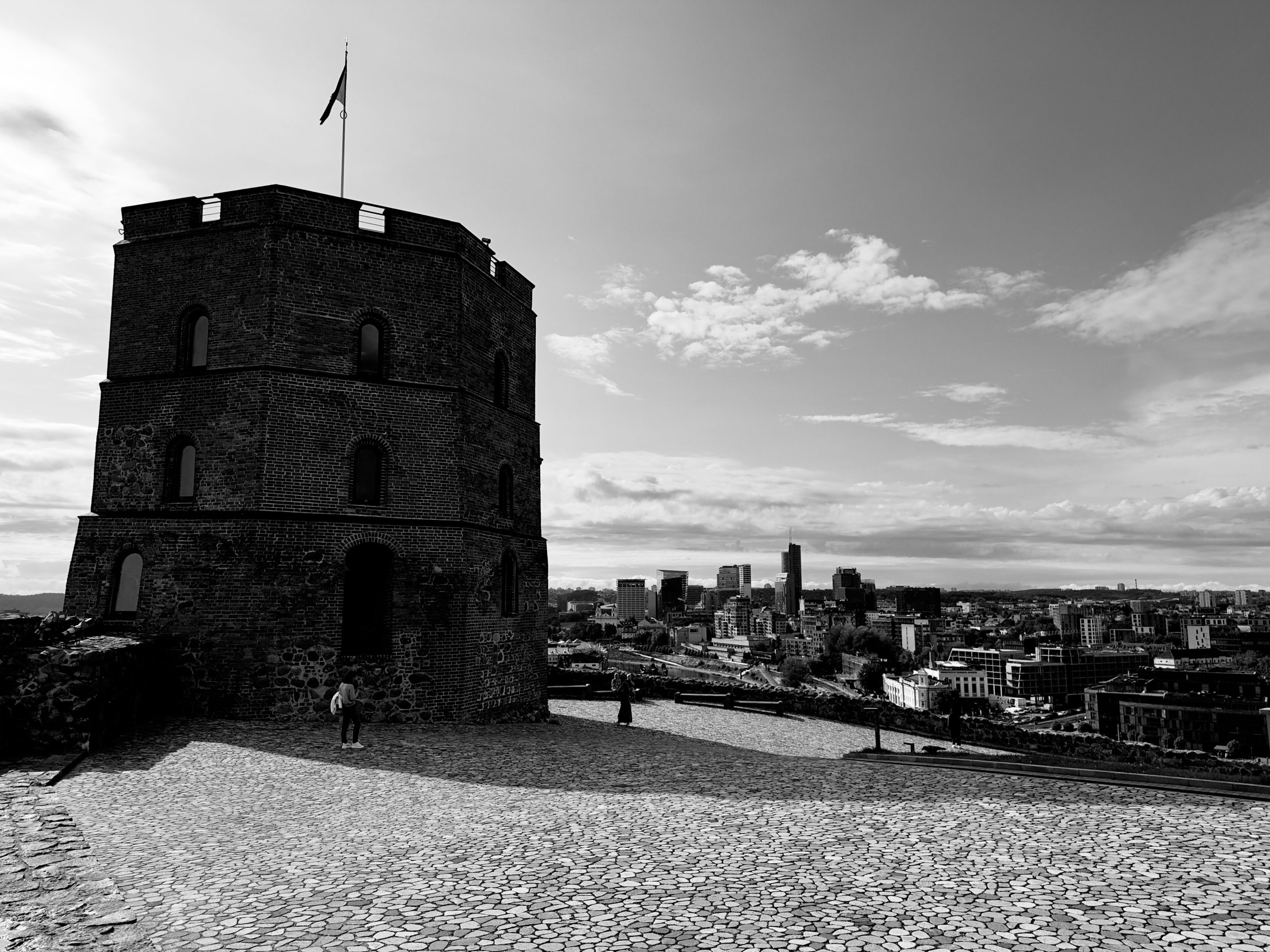
07:30 – Gediminas Tower
Begin the day at Gediminas Tower. It’s quiet in the morning — just pigeons and the flags. Look out over the red roofs of the old city and the glass of the new.
09:00 – Pilies Street Café
Descend to Pilies Street, and find a small café that doesn’t advertise itself. Connect with locals. What’s on their mind, what’s in their hearts?
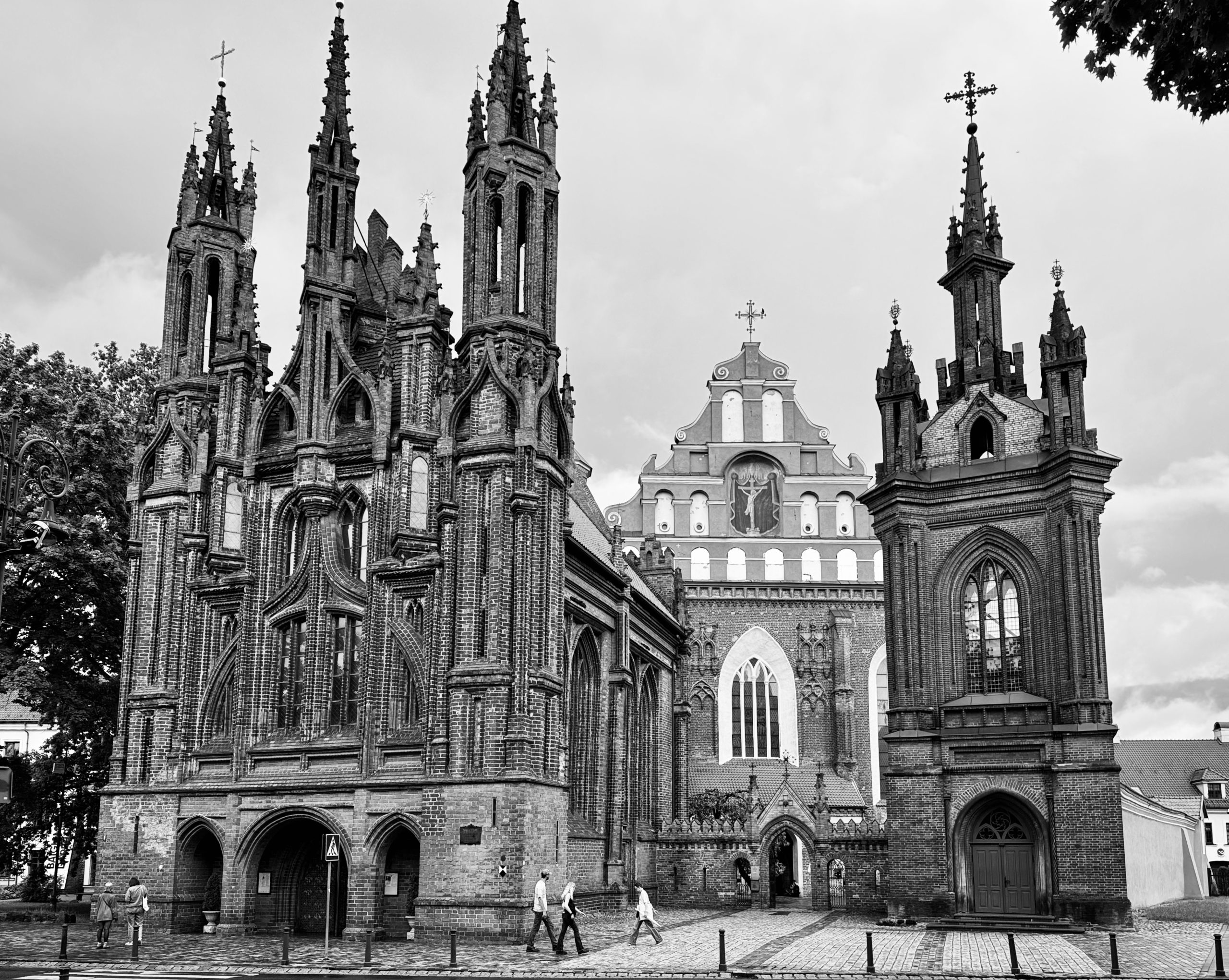
11:00 – St. Anne’s Church
Late Gothic, in brick not stone — unmatched in Europe. Napoleon wanted to take it home. The silence here is architectural.
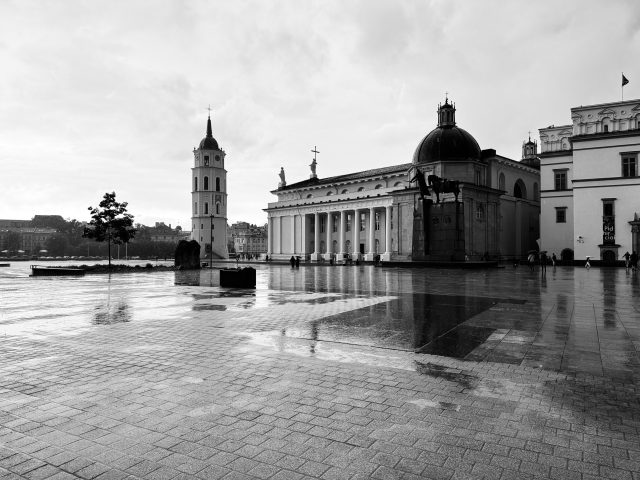
13:00 – Cathedral Square
White columns, black dome, bell tower aside — more Rome than Russia. Behind it, the Grand Duke’s Palace: rebuilt, reasserted. This is Lithuania’s center of gravity.
14:00 – A Working Lunch
Across the square, find a place in a repurposed ministry or post office. Cabbage, beet, potato — peasant food, served with pride.
16:00 – KGB Museum (Museum of Occupations)
Down Gedimino Avenue, past glass shops and tired faces. Cells in the basement. Files upstairs. This is the undercurrent of the European project.
18:00 – Across the Neris
Cross into New Vilnius: banks, towers, luxury gyms. But still — restraint. This country never yells.
20:00 – Nightcap in the Old Town
Back through Užupis or Literatų Street, where verses and jokes fill the walls. Find a vaulted cellar. Have a glass. Lithuania is still here.
🗺 Factbox
| Country | Lithuania |
| Region | Baltics, EU, Schengen |
| Population | ~580,000 |
| Language | Lithuanian (official), Russian, Polish, Yiddish (historic) |
| Currency | Euro (€) |
| Known For | Grand Duchy, Baroque Old Town, Jewish Heritage, 1991 TV Tower Defense |
Gallery